




What's Happening?
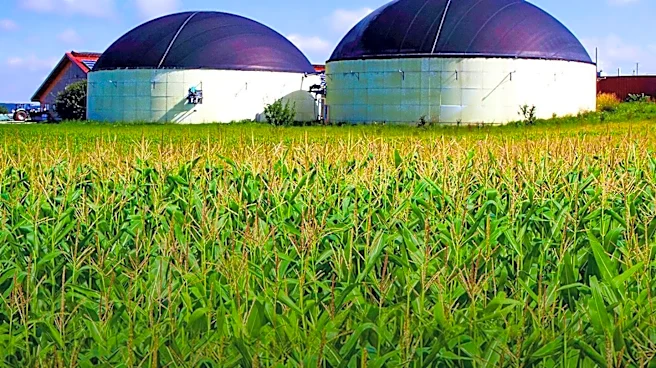
Columbus, Georgia, has officially commenced commercial operations of its first renewable natural gas (RNG) plant at the Pine Grove landfill. The facility, a partnership between the City of Columbus and The Landfill Group, began running on August 10, 2026,
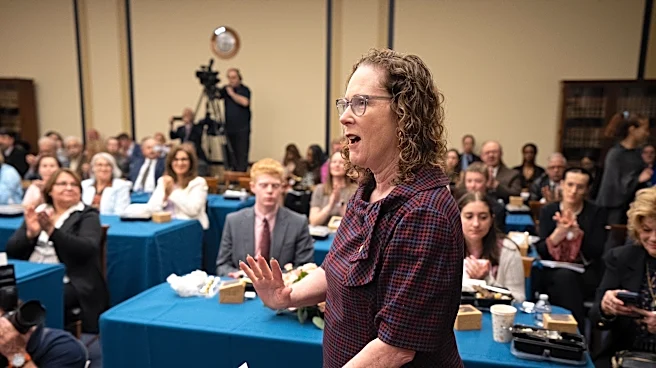
with a ribbon-cutting ceremony held on November 12, 2026. This plant is designed to capture methane gas produced by decomposing waste in the landfill, process it, and then inject the upgraded gas into the local natural gas system operated by Liberty Utilities (Peach State Natural Gas) Corp. The project, named Columbus Power Producers, aims to convert landfill gas into a usable energy source, reducing emissions and enhancing the sustainability of landfill operations. According to the EPA, the project at full build-out is expected to reduce CO2 emissions equivalent to over 21 million gallons of gasoline annually.
Why It's Important?
This initiative marks a significant step in environmental sustainability and energy diversification for Columbus, Georgia. By converting landfill methane, a potent greenhouse gas, into renewable natural gas, the project directly addresses climate change concerns and reduces the environmental footprint of waste management. For Liberty Utilities, it offers an opportunity to diversify its gas supply and potentially acquire gas at a lower cost, which could benefit its more than 61,000 customers in the Columbus and Gainesville areas. The project also highlights a growing trend in the energy sector towards utilizing waste-to-energy technologies, creating a valuable energy resource from materials that would otherwise be considered waste. This model could serve as a blueprint for other municipalities looking to enhance their environmental stewardship and energy independence.
What's Next?
The Columbus Power Producers plant is now fully operational, contributing renewable natural gas to the local grid. Future developments will likely focus on monitoring the plant's efficiency and its long-term environmental and economic impacts. The city and The Landfill Group will continue to assess the project's benefits, particularly in terms of emission reductions and cost savings. There may also be discussions regarding the potential expansion of such projects or the implementation of similar waste-to-energy initiatives in other landfills within the region. The success of this project could encourage further investment in renewable natural gas infrastructure across Georgia and the wider U.S., as communities seek sustainable solutions for waste management and energy production.
Beyond the Headlines
The establishment of the renewable natural gas plant in Columbus underscores a broader shift towards a circular economy, where waste is viewed as a resource rather than merely a disposal problem. This project not only mitigates methane emissions but also creates a localized energy source, potentially reducing reliance on fossil fuels and enhancing energy security. Ethically, it represents a commitment to responsible landfill management and environmental protection, aligning with global efforts to combat climate change. Legally, such projects often involve complex partnerships between public and private entities, navigating environmental regulations and energy market dynamics. Culturally, it promotes an understanding of waste as a valuable commodity and encourages public engagement in sustainable practices, fostering a more environmentally conscious community.