






What's Happening?
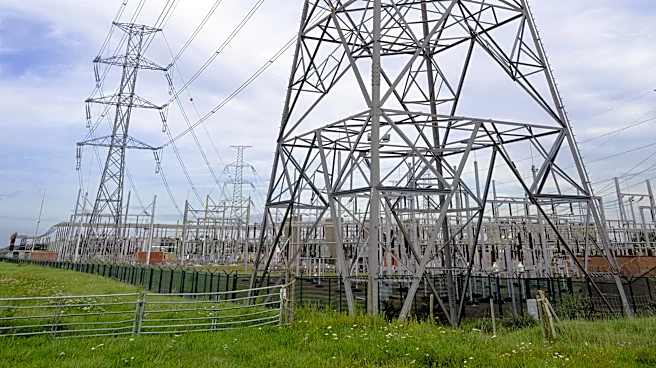
Moldova launched the Vulcanesti–Chisinau power line on November 8, connecting its capital to a southern electricity hub linked with Romanian and wider European electricity supplies. This new 157km line can carry over half of Moldova’s electricity consumption,
including imports from Romania and the European market, without passing through the MGRES/Cuciurgan power node in Russian-controlled Transnistria. This development marks a critical step in dismantling Russia’s energy leverage over Moldova, a vulnerability inherited from the Soviet era. For decades, Moldova relied heavily on Russian gas and the Transnistria enclave for approximately three-quarters of its electricity, creating a circular system of dependence where Russian gas fueled a power plant in Transnistria that then sold electricity back to Moldova. The project, originally due for completion in August 2024, faced delays but now significantly enhances Moldova's energy security.
Why It's Important?
This new power line is strategically vital for Moldova's independence and has significant implications for regional energy security in Europe. By bypassing the Russian-controlled Transnistria node, Moldova removes a major point of vulnerability to Russian energy pressure, which has been wielded repeatedly, especially since October 2021. This move aligns Moldova more closely with European energy markets and reduces Moscow's ability to use energy as a political weapon. For the U.S. and its European allies, this development supports efforts to strengthen the energy resilience of countries in Eastern Europe and reduce their susceptibility to external coercion. It demonstrates the effectiveness of international support in helping nations achieve energy independence, contributing to broader European stability and security.
What's Next?
While the Vulcanesti–Chisinau line is a major achievement, Moldova's battle for complete energy security continues. The country still needs more domestic electricity generation and stronger cross-border links with Romania to ensure redundancy, flexibility, and sufficient supply, particularly during periods of high winter demand. Two additional Romanian high-voltage connections are planned, which will further integrate Moldova into the European electricity market and help meet internal demand. These future projects will solidify Moldova's energy independence and its alignment with the European Union, further diminishing Russia's influence in its energy sector. The success of this project may also serve as a model for other countries seeking to reduce their energy dependence on Russia.
Beyond the Headlines
The inauguration of the Vulcanesti–Chisinau power line represents more than just a piece of infrastructure; it is a physical manifestation of Moldova's true independence and its commitment to shaping its own future away from Russian influence. This development underscores the broader geopolitical struggle in Eastern Europe, where energy infrastructure is a key battleground for sovereignty and alignment. The long-term implications include a strengthened pro-European trajectory for Moldova, potentially encouraging further integration with EU institutions and standards. It also highlights the strategic importance of energy diversification and infrastructure development as tools for national resilience and geopolitical maneuvering in a complex international environment. The project's success could inspire other nations to pursue similar initiatives, further fragmenting Russia's historical energy dominance in the region.