






What's Happening?
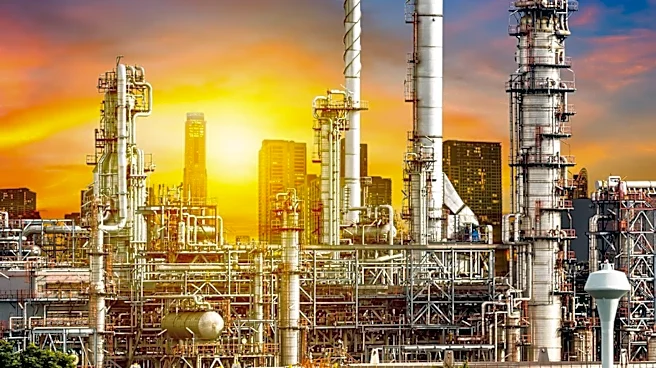
California State Senator Catherine Blakespear has authored Senate Bill 1259, aimed at preventing taxpayers from bearing the financial burden of cleaning up closed oil refineries. The bill mandates that the California Environmental Protection Agency (CalEPA)
develop a comprehensive overview of historical costs, methods, and timelines associated with refinery decommissioning and remediation. Subsequently, refiners would be required to provide the state with reports detailing the expected costs and obligations if they decide to close their facilities, allowing for state review. This legislative effort comes in response to past incidents, such as the closure of a refinery in Philadelphia that led to taxpayer bailouts and long-term environmental oversight, and the discovery of a 16-foot-thick layer of petroleum soil pollution at the recently shuttered Phillips 66 Los Angeles Refinery Wilmington Plant. California has already implemented a requirement for refineries to provide one year's notice before closure, but SB 1259 seeks to add a crucial layer of financial accountability and transparency regarding environmental cleanup.
Why It's Important?
Senate Bill 1259 is critical for protecting California taxpayers and local communities from potentially massive environmental cleanup costs associated with defunct oil refineries. Many of California's existing refineries predate the Environmental Protection Agency, and decades of operations have resulted in significant soil, air, and water contamination. Without clear accountability and financial provisions, the burden of remediation could fall on public funds, diverting resources from other essential services. The bill aims to ensure that companies, rather than taxpayers, are responsible for the environmental legacy of their operations. By requiring refiners to plan and secure funding for closures, similar to other energy sectors like nuclear power plants and gas facilities, SB 1259 establishes a precedent for corporate responsibility in the energy transition. This legislation highlights the broader challenge of managing the environmental impact of industries as the state moves towards a cleaner energy future.
What's Next?
Senate Bill 1259 will proceed through the legislative process, where it will be debated and potentially amended. The oil industry has reportedly opposed this bill, indicating a potential legislative battle. If passed, CalEPA will begin developing the required overview of decommissioning and remediation costs, and refiners will need to prepare to submit detailed reports on their closure obligations. The implementation of this bill would set a new standard for environmental accountability in California's energy sector, potentially influencing similar legislation in other states facing refinery closures. The outcome of SB 1259 will demonstrate California's commitment to a responsible energy transition that prioritizes environmental protection and fiscal prudence, ensuring that the costs of industrial legacy are borne by those who profited from the operations.
Beyond the Headlines
The debate surrounding Senate Bill 1259 touches upon deeper ethical and economic implications of the energy transition. It raises questions about corporate responsibility for long-term environmental damage and the role of government in regulating industries to prevent public financial burdens. The oil industry's resistance to what Senator Blakespear describes as a 'basic level of transparency' suggests a reluctance to fully internalize the costs of environmental remediation, potentially due to the significant financial implications. This legislative effort underscores the tension between economic interests and environmental protection, particularly in a state like California that is at the forefront of climate action. The bill's success could establish a powerful model for other states and countries grappling with the legacy of industrial pollution, emphasizing that a 'cleaner energy future' must also include a responsible winding down of older, polluting industries.