

What's Happening?
The International Energy Agency (IEA) has reported that the ongoing conflict in the Middle East could lead to a significant reduction in global liquefied natural gas (LNG) supply. Between 2026 and 2030, the world could see a loss of approximately 120
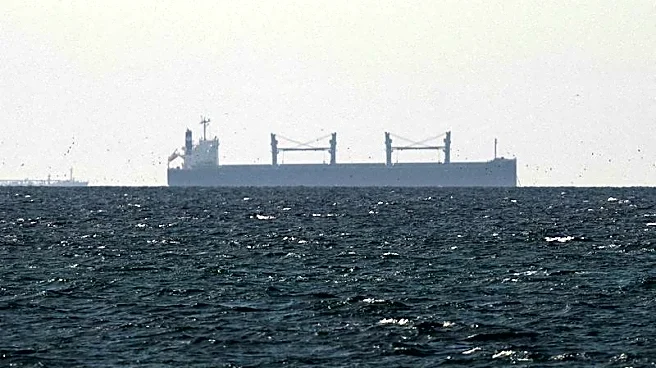
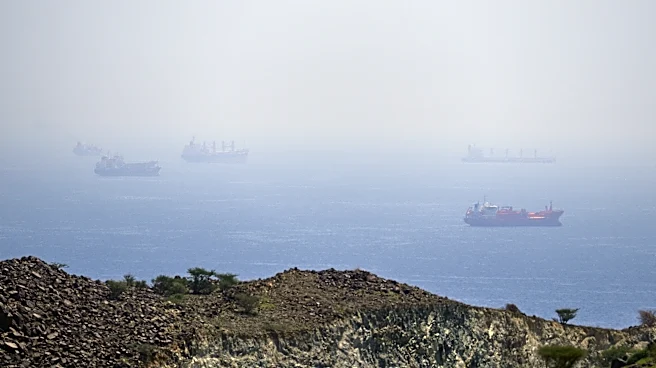
billion cubic meters (bcm) of LNG, which equates to 15% of the expected global supply. This disruption is attributed to short-term interruptions in LNG flows and slower growth in capacity. The closure of the Strait of Hormuz has already impacted LNG production from Qatar and the United Arab Emirates, reducing their combined output by about 10 bcm in March alone. Additionally, attacks on Qatar's LNG facilities could further decrease the country's output by nearly 70 bcm by 2030, assuming a four-year repair period. Delays in QatarEnergy's North Field East expansion project could also result in a reduction of nearly 20 bcm over the same period.
Why It's Important?
The potential loss of LNG supply from the Middle East is significant for global energy markets, particularly for countries heavily reliant on LNG imports. The reduction in supply could lead to increased energy prices and heightened competition for available resources. This situation underscores the vulnerability of global energy supply chains to geopolitical tensions and conflicts. The anticipated delays in new LNG projects could also impact future energy security and economic stability, especially for nations dependent on Middle Eastern LNG. The situation highlights the need for diversified energy sources and increased investment in alternative energy projects to mitigate such risks.
What's Next?
The duration of the Strait of Hormuz closure will continue to influence LNG demand and supply forecasts. The IEA has already revised its demand forecasts downward for the year. Stakeholders in the energy sector, including governments and companies, may need to explore alternative supply routes and accelerate the development of new LNG projects to offset potential losses. The situation may also prompt increased diplomatic efforts to resolve the conflict and ensure the security of critical energy infrastructure in the region.