
What's Happening?
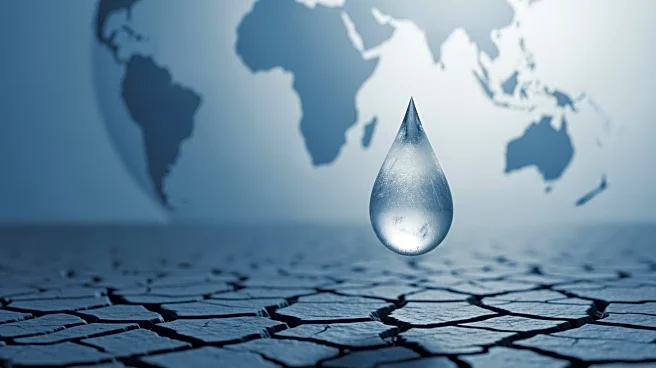
On the night of his inauguration, President Trump signed an executive order that effectively froze almost all international assistance. This move led to the termination of billions of dollars in aid programs
and the dismantling of the U.S. Agency for International Development. The decision marks a significant shift in the future of U.S. foreign assistance, as reported by NPR global health correspondents Fatma Tanis and Gabrielle Emanuel. The impact of this decision is being felt both domestically and internationally, as the U.S. redefines its role in global aid and development.
Why It's Important?
The freezing of international aid by President Trump has profound implications for global health and development. The U.S. has historically been a major contributor to international aid, supporting various programs aimed at improving health, education, and infrastructure in developing countries. The cessation of these programs could lead to increased poverty and instability in regions that relied on U.S. support. Domestically, this move reflects a shift towards prioritizing national interests over international commitments, potentially altering the U.S.'s diplomatic relationships and influence on the global stage.
What's Next?
The future of U.S. foreign assistance remains uncertain as the government reassesses its international commitments. Stakeholders, including international organizations and partner countries, may seek to negotiate new terms of engagement with the U.S. Meanwhile, domestic debates are likely to intensify over the balance between national interests and global responsibilities. The administration's next steps will be closely watched by both domestic and international observers, as they could set a precedent for future U.S. foreign policy.