






What's Happening?
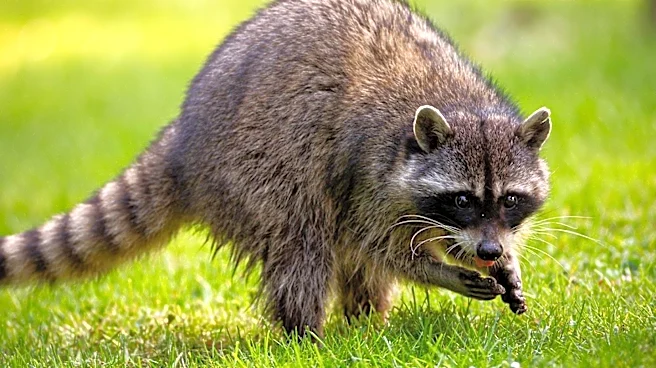
An 86-year-old man in Pocatello was bitten and scratched by a raccoon after the animal exhibited unusual behavior. The incident occurred when the man went to retrieve his mail and encountered the raccoon, which had been observed acting strangely and appearing
lethargic in a cul-de-sac. Initially thinking the animal might be injured, the man was then attacked by the raccoon, which moved quickly towards him. Another individual who attempted to assist was also scratched. Both individuals received medical treatment for their injuries. Idaho Fish and Game responded to the incident, and the raccoon was subsequently tested for rabies, with results confirming it was negative for the disease.
Why It's Important?
This incident highlights the potential dangers of wildlife encounters, even with seemingly docile animals, and underscores the importance of public health and safety. While the raccoon tested negative for rabies, such incidents often raise concerns about zoonotic diseases, prompting public health advisories and increasing awareness about animal behavior. For the elderly, such attacks can lead to more severe injuries and complications. The event also emphasizes the role of local wildlife agencies like Idaho Fish and Game in managing human-wildlife interactions and ensuring public safety through testing and guidance. It serves as a reminder for residents to maintain a safe distance from wild animals, especially those exhibiting unusual behavior, to prevent potential harm and the spread of diseases.
What's Next?
Idaho Fish and Game will likely continue to monitor wildlife activity in the Pocatello area and reinforce public education campaigns regarding safe interactions with wild animals. Residents are advised to remain vigilant and report any wildlife exhibiting unusual behavior to local authorities. Medical professionals will continue to treat the injured individuals, and public health officials will maintain surveillance for any potential health risks. The incident may prompt further community discussions on urban wildlife management strategies and how to minimize conflicts between humans and animals in residential areas. The agency also recommends seeking medical advice for any bites or scratches and notifying relevant authorities for testing.
Beyond the Headlines
This event subtly points to broader ecological and urban development trends. As urban areas expand, human-wildlife interfaces become more common, leading to increased interactions and potential conflicts. The 'strange' behavior of the raccoon, while not rabies-related in this instance, could be indicative of other underlying health issues in the animal population, such as canine distemper, which was previously detected in raccoons in the area. This raises questions about the health of local wildlife populations and the impact of environmental changes on animal behavior. It also highlights the ethical considerations of wildlife management in populated areas, balancing human safety with animal welfare and ecological balance. The incident serves as a micro-example of the complex relationship between human communities and the natural world.