
What's Happening?
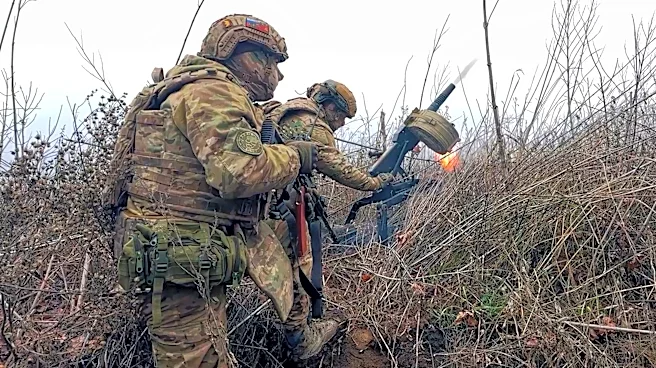
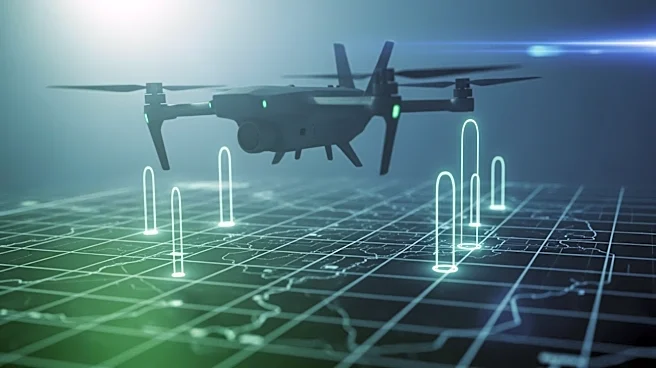
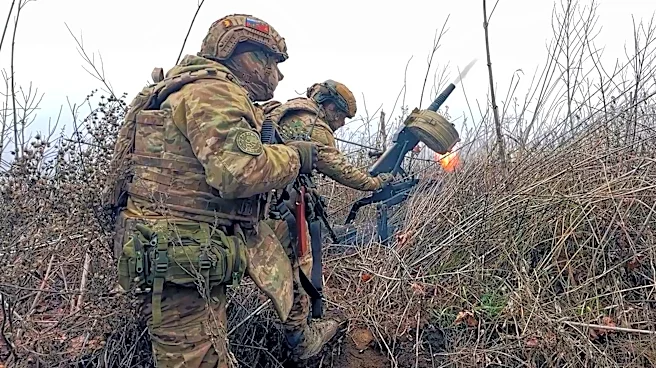
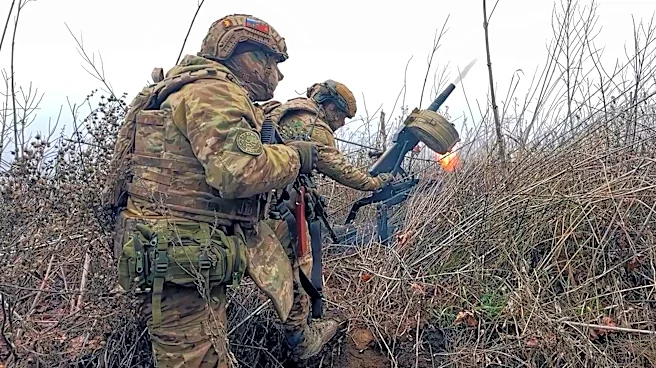
The U.S. military is closely observing the use of drones in the ongoing conflict between Ukraine and Russia. Drones, which are unmanned and remotely controlled, have significantly altered the dynamics of modern warfare. The conflict has showcased how drones can be used
for surveillance, targeted strikes, and logistical support, providing a new dimension to military strategy. The U.S. is analyzing these developments to adapt its own military tactics and technology, ensuring it remains at the forefront of modern warfare capabilities.
Why It's Important?
The lessons learned from the Ukraine conflict are crucial for the U.S. military as it seeks to maintain its strategic advantage. The integration of drones into military operations could lead to more efficient and precise combat strategies, reducing the risk to human soldiers and potentially lowering costs. This shift in warfare technology also highlights the need for the U.S. to invest in counter-drone measures to protect its assets and personnel. The evolving nature of warfare necessitates that the U.S. military continuously updates its tactics and technology to address new threats and opportunities.
What's Next?
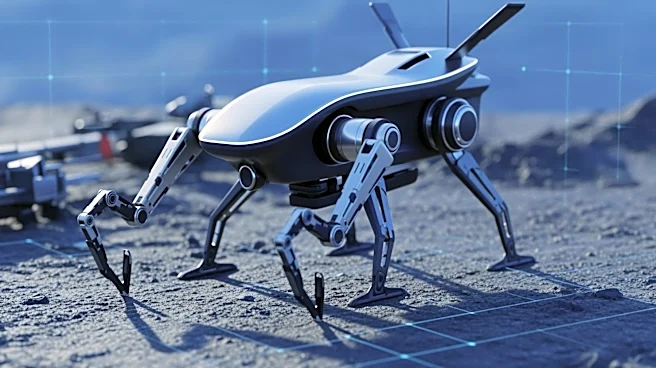
The U.S. military is likely to increase its investment in drone technology and related research to enhance its capabilities. This may include developing more advanced drones with improved stealth, endurance, and payload capacities. Additionally, the military will focus on creating effective countermeasures to neutralize enemy drones. As these technologies evolve, the U.S. may also engage in international collaborations to establish norms and regulations governing the use of drones in warfare, aiming to prevent misuse and escalation.
Beyond the Headlines
The rise of drone warfare raises ethical and legal questions about the conduct of war. The use of unmanned systems can lead to debates over accountability and the potential for increased civilian casualties. There is also concern about the proliferation of drone technology to non-state actors and rogue nations, which could destabilize regions and complicate international relations. As the U.S. adapts to these changes, it must consider the broader implications of drone warfare on global security and the rules of engagement.