





What's Happening?
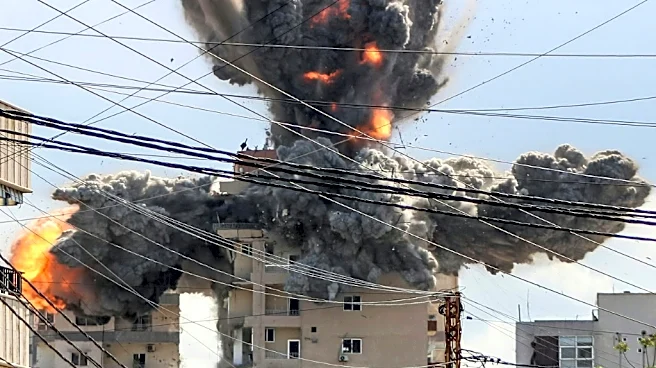
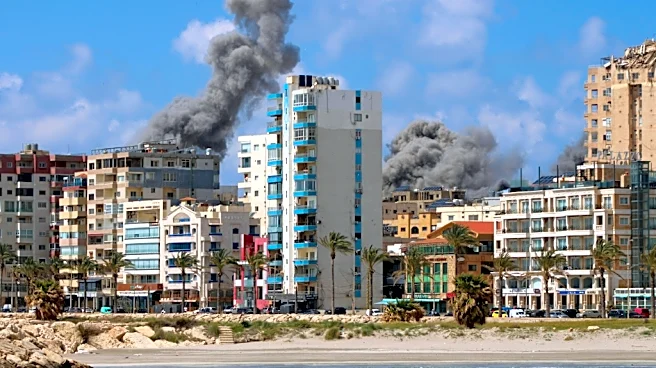
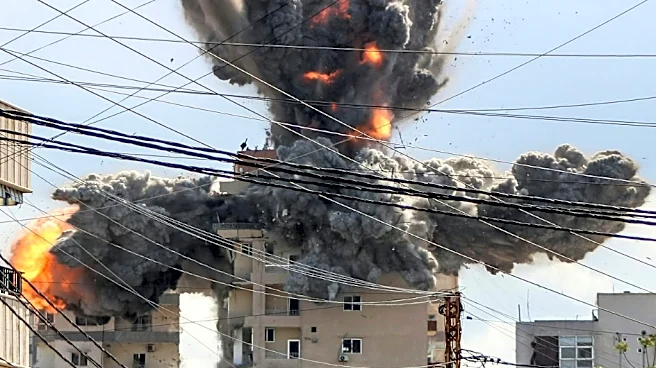
French President Emmanuel Macron has called for the inclusion of Lebanon in the ceasefire agreement between the United States and Iran, following Israeli military strikes in Beirut. The strikes have resulted in significant casualties, with at least 254
people reported dead. Macron's appeal comes amid heightened tensions in the Middle East, where the fragile truce between the US and Iran is under threat due to ongoing hostilities. The United Nations has also expressed concern, warning that the Israeli attacks pose a 'grave risk' to the ceasefire. Macron's stance aligns with other international voices, including Australia's foreign minister, who have urged for Lebanon's inclusion in the ceasefire to ensure regional stability.
Why It's Important?
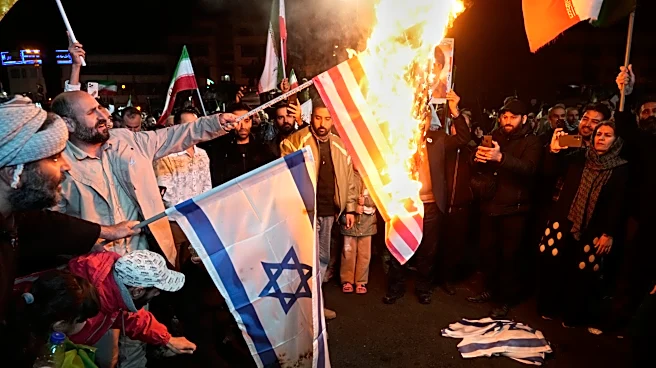
The situation underscores the delicate nature of the US-Iran ceasefire and the broader geopolitical implications of the conflict in the Middle East. The exclusion of Lebanon from the ceasefire agreement could lead to further destabilization in the region, potentially escalating into a larger conflict involving multiple nations. The Israeli strikes have already resulted in significant loss of life and have drawn international condemnation. Macron's call for Lebanon's inclusion highlights the need for a comprehensive peace strategy that addresses all regional stakeholders. The ongoing conflict also affects global oil markets, as tensions in the Strait of Hormuz, a critical chokepoint for oil transportation, could disrupt supply and impact global economies.
What's Next?
The international community is likely to increase diplomatic efforts to include Lebanon in the ceasefire agreement. High-stakes talks are expected to take place, with key players like the US, Iran, and other regional powers participating. The outcome of these discussions could determine the future stability of the Middle East. Additionally, the situation may prompt further involvement from international organizations such as the United Nations, which could play a mediating role. The response from Israel and Hezbollah will also be crucial in shaping the next phase of the conflict.
Beyond the Headlines
The conflict raises broader questions about the role of international diplomacy in resolving regional disputes. The exclusion of Lebanon from the ceasefire highlights the complexities of Middle Eastern geopolitics, where historical grievances and alliances play a significant role. The situation also reflects the challenges faced by global powers in balancing strategic interests with humanitarian concerns. The international community's response to the crisis could set a precedent for future conflicts in the region, emphasizing the importance of inclusive and comprehensive peace agreements.