






What's Happening?
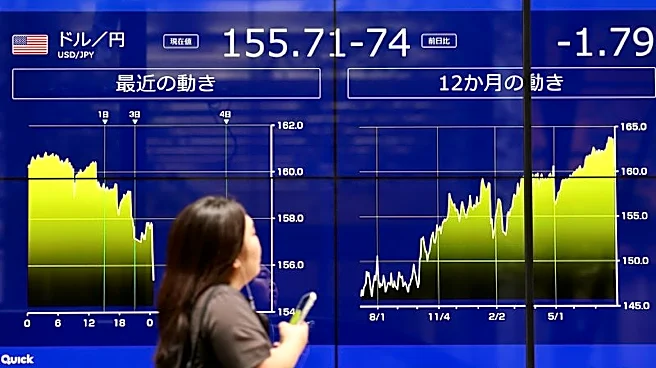
The U.S. Treasury, led by Secretary Scott Bessent, has participated in a coordinated intervention with Japan to stabilize the yen and prevent instability in Asian currency markets. This move is reminiscent of strategies used during the Asian financial
crisis of the 1990s. The intervention aims to curb the yen's weakness, which could have broader implications for regional currencies and economic stability. Bessent emphasized the importance of learning from past financial crises to mitigate current risks. The intervention reflects a pragmatic approach to maintaining economic stability in the face of potential currency volatility.
Why It's Important?
Currency stability is crucial for maintaining economic balance and preventing financial crises. The U.S. intervention highlights the interconnectedness of global economies and the potential ripple effects of currency fluctuations. By supporting the yen, the U.S. aims to prevent broader economic instability in Asia, which could have significant implications for global trade and investment. This action underscores the role of international cooperation in addressing economic challenges and the importance of proactive measures to safeguard financial systems.