






What's Happening?
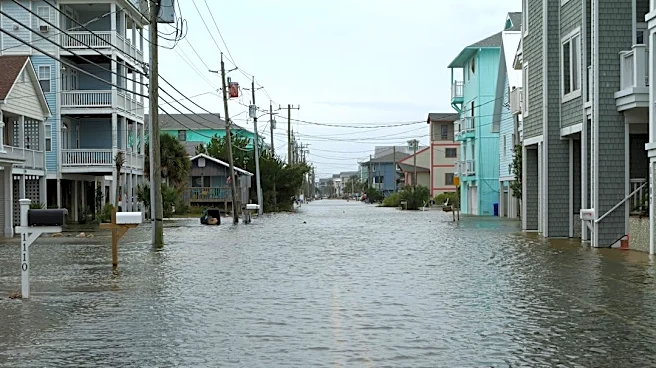
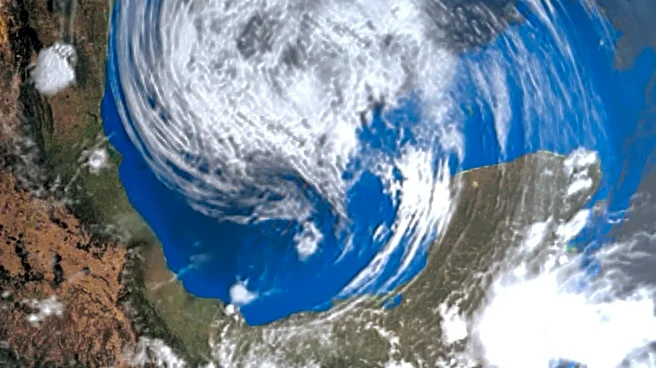
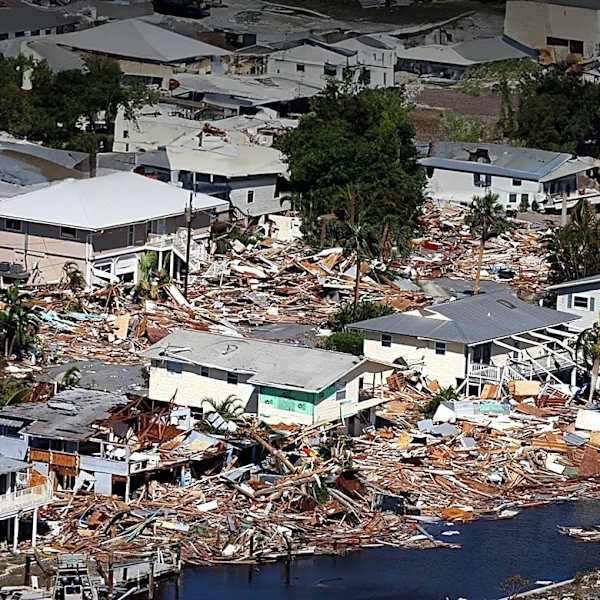
Property insurance markets in Florida, California, and Texas are facing significant challenges driven by recurrent natural disasters. In Florida, frequent hurricanes and coastal risks have led to homeowners' insurance costs approximately three times the
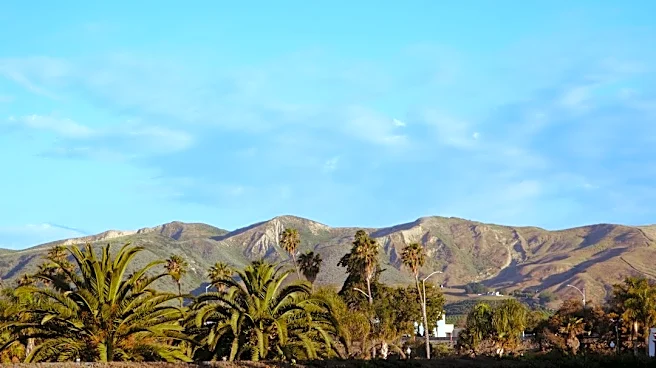
national average, with insurers withdrawing coverage from high-risk areas like Cape Coral-Fort Myers and Sanibel. Along the Gulf Coast, Texas communities, particularly Greater Houston, Harris County, Galveston, and Corpus Christi, are grappling with major hurricanes, flooding, and hail events. An Urban Institute study highlights Harris County as a critical example of deteriorating affordability due to rising insurance costs and inadequate flood coverage. California's housing markets are heavily impacted by wildfires, especially in the Sierra Nevada foothills, northern mountain counties, and parts of Los Angeles, San Diego, Riverside, and San Bernardino counties, leading to disruptions in homeowners' coverage availability. These issues are increasing the cost of homeownership and financial exposure for residents in these regions.
Why It's Important?
The escalating property insurance crisis in these states has profound implications for U.S. homeowners and the real estate market. Rising premiums and reduced availability of coverage directly increase the cost of homeownership, potentially making homes unaffordable even when purchase prices remain stable. This situation disproportionately affects vulnerable communities and can lead to a decline in property values in high-risk areas, impacting individual wealth and local tax bases. The withdrawal of insurers from certain regions creates coverage gaps, leaving homeowners exposed to significant financial losses in the event of a disaster. This trend could also deter new investments and development in affected areas, slowing economic growth and exacerbating housing shortages. The uneven response of insurance premiums to disaster risk, as noted by Dr. Benjamin Keys, suggests that the true cost of climate-related risks is not fully communicated to households, leading to underpreparedness and greater financial strain post-disaster.
What's Next?
The ongoing challenges in property insurance markets are likely to prompt further discussions and potential policy interventions at both state and federal levels. States like Florida and California may explore new regulatory frameworks or public insurance options to ensure coverage availability and affordability. Homeowners in affected regions may continue to face increasing premiums and stricter underwriting requirements, potentially leading to more individuals dropping certain coverages, such as wind insurance, to manage costs. This could, however, increase their financial vulnerability. The situation may also accelerate the adoption of disaster-resilient building codes and infrastructure improvements in high-risk areas. Furthermore, the financial strain on homeowners could lead to increased demand for government assistance programs following natural disasters, placing a greater burden on public funds. The long-term trend suggests a continued re-evaluation of risk models by insurers and a potential shift in population demographics as residents consider relocating from increasingly expensive and risky areas.
Beyond the Headlines
The property insurance crisis extends beyond immediate financial concerns, touching upon deeper societal and ethical implications. It highlights the growing economic disparity between those who can afford rising insurance costs and those who cannot, potentially creating 'climate gentrification' where only the wealthy can reside in desirable but high-risk coastal or wildfire-prone areas. The incomplete reflection of disaster risk in premiums raises questions about market transparency and the ethical responsibility of communicating true risks to homeowners. This situation also underscores the broader impact of climate change on everyday life, transforming what were once considered manageable risks into significant financial burdens. The increasing reliance on individual homeowners to bear the costs of climate adaptation, such as investing in generators or hurricane-resistant windows, points to a systemic shift in how disaster preparedness is funded and managed, moving from collective responsibility to individual burden. This could lead to a re-evaluation of urban planning and development strategies in vulnerable regions, prioritizing resilience and sustainability over unchecked growth.