
What's Happening?
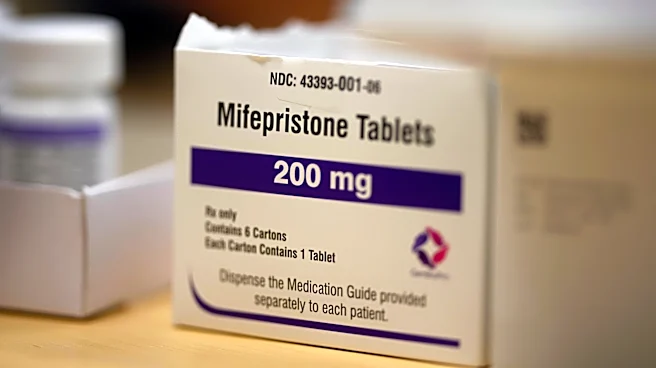
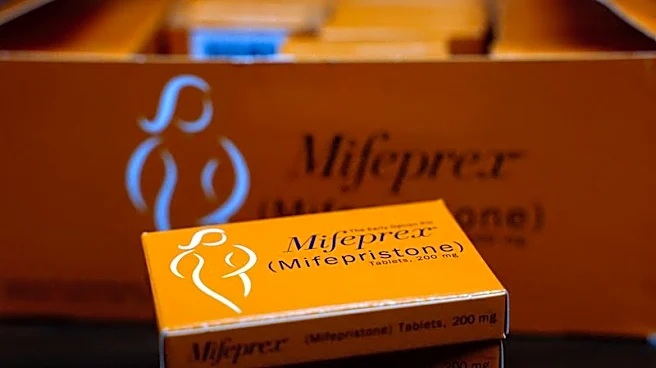
A federal appeals court has issued a ruling that restricts the distribution of the abortion pill mifepristone by mail, mandating that it be dispensed only in person at clinics. This decision by the 5th
U.S. Circuit Court of Appeals comes as a significant development in the ongoing legal battles over abortion access in the United States. The ruling challenges the FDA's regulations that previously allowed the pill to be prescribed via telehealth and mailed to patients, a practice that became more common during the COVID-19 pandemic. The court's decision is seen as a victory for abortion opponents who argue that mail-order access undermines state bans on abortion. The case is expected to be appealed to the Supreme Court, as Danco Laboratories, the manufacturer of mifepristone, has requested a stay on the ruling while appeals are pending.
Why It's Important?
The ruling has significant implications for abortion access across the United States, particularly in states with strict abortion bans. By requiring in-person dispensing, the decision could limit access to medication abortions, which have become increasingly common. This move may also set a precedent for federal courts to challenge FDA regulations, potentially affecting how other medications are dispensed. The decision could influence the political landscape, as abortion rights continue to be a contentious issue in upcoming elections. The ruling may mobilize both pro-choice and anti-abortion advocates, impacting voter turnout and campaign strategies.
What's Next?
The case is likely to be appealed to the Supreme Court, which could result in further legal scrutiny of the FDA's authority to regulate medication distribution. If the Supreme Court decides to hear the case, it could lead to a landmark decision affecting not only abortion access but also the broader regulatory powers of federal agencies. In the meantime, states with protective laws for telehealth abortions may continue to challenge the ruling, potentially leading to a patchwork of access across the country. The outcome of this legal battle could also influence legislative efforts at both state and federal levels to either restrict or protect abortion access.