







What's Happening?
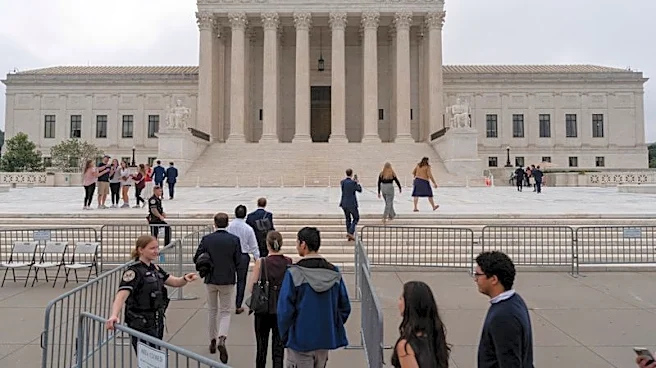
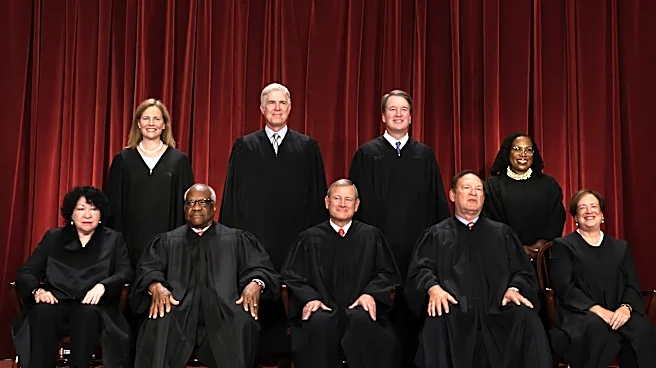
The U.S. Supreme Court has ruled that law enforcement agencies must obtain a valid warrant before conducting geofence searches, emphasizing the need for probable cause to access cellphone location data. In the case of Chatrie v. United States, the Court decided
in a 6-3 ruling that individuals have a reasonable expectation of privacy regarding their cellphone location records. This decision challenges the use of geofencing warrants, which allow police to request data from tech companies about devices present in a specific area during a crime. The ruling highlights that such warrants intrude on constitutionally protected privacy interests. The case originated from the arrest of Okello T. Chatrie, who was linked to a bank robbery through data obtained via a geofencing warrant. The Court's decision underscores the Fourth Amendment's protection against unreasonable searches and seizures, requiring law enforcement to have probable cause before accessing such data.
Why It's Important?
This ruling is significant as it reinforces privacy protections for individuals against broad surveillance tactics by law enforcement. By requiring probable cause for geofencing warrants, the decision limits the scope of data that can be accessed without sufficient justification, thereby protecting citizens' privacy rights. This could impact how law enforcement agencies conduct investigations, potentially reducing the use of geofencing as a tool for identifying suspects. The decision also places tech companies like Google in a position where they must navigate the legal landscape to protect user data from unwarranted access. Privacy advocates view this as a victory for digital privacy, as it sets a precedent that could influence future cases involving digital data and privacy rights.
What's Next?
The case will return to a lower appellate court to determine whether there was probable cause for the geofencing warrant in Chatrie's case. This could lead to further legal scrutiny of past cases where geofencing data was used without sufficient probable cause. Law enforcement agencies may need to adjust their investigative practices to comply with the new legal standards set by the Supreme Court. Additionally, tech companies might enhance their data protection measures to align with the ruling, potentially leading to changes in how user data is stored and accessed.