



What's Happening?
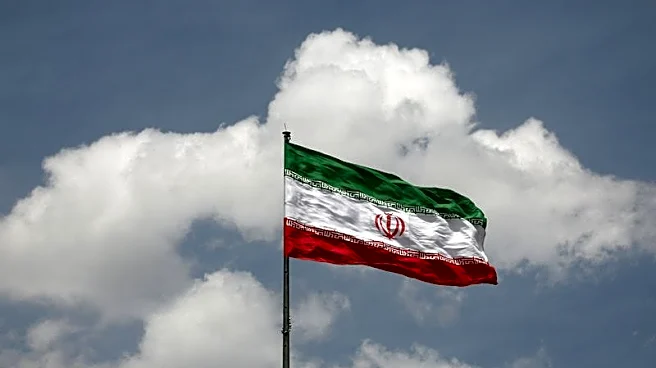
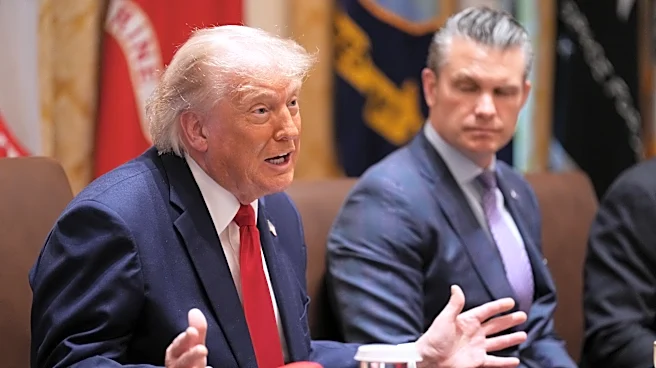
A letter to the editor in the Los Angeles Times expresses concern over President Trump's approach to Iran, drawing parallels to past U.S. military involvements. The letter references an op-ed by Jacques Leslie, which discusses a little-known American
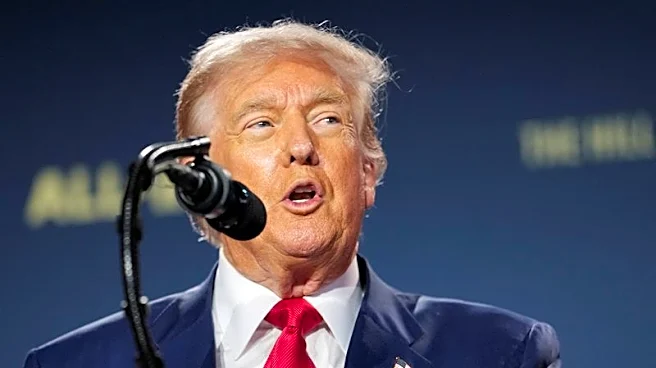
military operation during the Vietnam War, Operation Speedy Express, that resulted in significant civilian casualties. The writer, Gary Vogt, reflects on his own conflicted feelings about his Vietnam service and worries about the potential for a similar situation in Iran. President Trump has justified his actions against Iran by claiming to prevent the country from acquiring nuclear weapons, despite previously stating that his military actions had already dismantled Iran's nuclear capabilities.
Why It's Important?
The letter highlights the potential for history to repeat itself, with the U.S. possibly entering another prolonged and controversial conflict. The comparison to Vietnam, Iraq, and Afghanistan suggests a fear of unnecessary military engagement leading to significant loss of life and long-term consequences for American service members. This concern is particularly relevant given the historical context of U.S. military interventions that have been criticized for being based on questionable premises. The situation underscores the importance of scrutinizing military actions and their justifications to avoid repeating past mistakes.
What's Next?
The letter calls for caution and reflection on the part of U.S. leadership to prevent escalation into a larger conflict. It suggests a need for clear communication and transparency regarding the actual threats posed by Iran and the objectives of U.S. military actions. The potential for diplomatic solutions or alternative strategies to address nuclear proliferation concerns may be explored to avoid military escalation.
Beyond the Headlines
The ethical implications of military interventions and the responsibility of media and government to provide accurate information are highlighted. The letter suggests a need for accountability in how military operations are conducted and reported, to prevent cover-ups and ensure public awareness of the true costs of war. This reflects broader concerns about the role of media and government in shaping public perception and policy.