







What's Happening?
The Food and Drug Administration (FDA), alongside the USDA and FAO, provides guidelines for safely freezing various food items to maintain their quality and nutritional value. Food engineer Mariana Zapién explains that freezing does not diminish nutrients
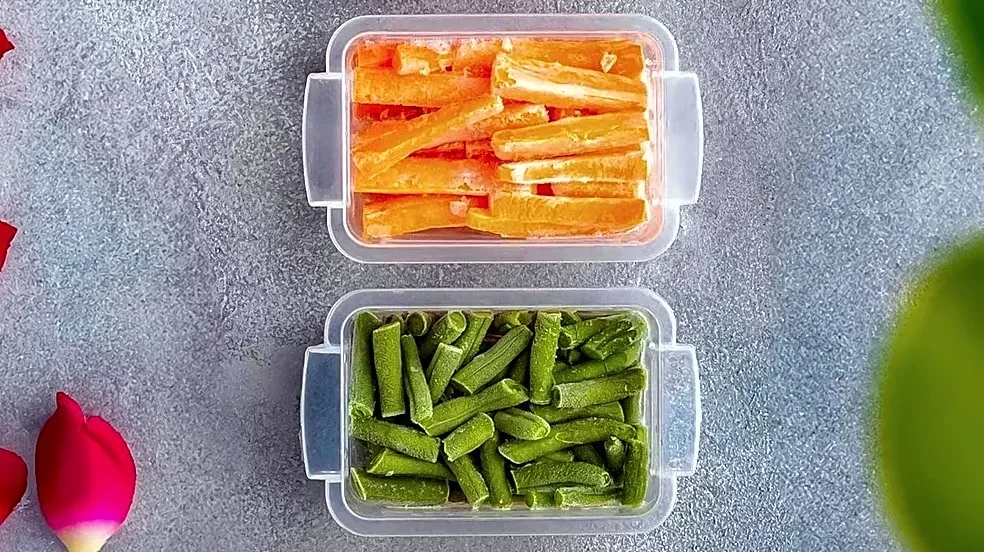
but rather preserves food at its peak quality. While slow freezing, typical of home freezers, can form larger ice crystals that may damage food structure and alter texture upon thawing, rapid freezing (ultra-freezing) creates smaller crystals, minimizing cellular damage and better preserving texture, flavor, and overall quality. This process effectively halts microbial growth and extends product shelf life. The FDA's recommendations cover safe refrigeration and freezing times for eggs, dairy, meats, poultry, fish, prepared dishes, and vegetables, ensuring food remains fresh and safe for consumption. For instance, fresh eggs in their shell last 3-5 weeks refrigerated but should not be frozen in their shells, while raw, shelled eggs can be frozen for up to a year. Cooked vegetables can be refrigerated for 3-4 days and frozen for 2-3 months.
Why It's Important?
These guidelines are crucial for public health and food safety in the U.S. By adhering to FDA recommendations, consumers can significantly reduce the risk of foodborne illnesses caused by bacterial growth. Proper freezing techniques also play a vital role in food waste reduction, allowing households to store food for longer periods without spoilage. For the food industry, understanding and implementing these principles are essential for product development, quality control, and labeling accuracy, ensuring that frozen products meet safety standards and retain nutritional integrity. The distinction between slow and rapid freezing methods highlights the importance of industrial freezing processes in delivering high-quality frozen foods to consumers, impacting both the nutritional value and sensory experience of these products. This information empowers consumers to make informed decisions about food storage and preparation, contributing to healthier eating habits and more efficient household food management.
What's Next?
Consumers are encouraged to continue following FDA, USDA, and FAO guidelines for food storage to maximize safety and nutritional retention. Food manufacturers will likely continue to innovate in freezing technologies, focusing on rapid freezing methods to enhance product quality and extend shelf life, which could lead to more diverse and higher-quality frozen food options in the market. Educational campaigns from public health organizations may further emphasize the benefits of proper freezing and thawing techniques to reduce food waste and improve food safety at home. As scientific understanding of food preservation evolves, updates to these guidelines may occur, reflecting new research on nutrient stability and microbial control in frozen foods. The ongoing emphasis on food safety and waste reduction will drive continuous efforts in both consumer education and industrial practices related to freezing.
Beyond the Headlines
The discussion around freezing methods extends beyond immediate food safety to broader implications for food systems and sustainability. The ability to preserve nutrients through effective freezing can contribute to food security by making seasonal produce available year-round and reducing post-harvest losses. Ethically, ensuring that frozen foods retain their nutritional value helps address dietary needs across various socioeconomic groups, offering accessible and healthy options. Legally, food manufacturers are held accountable for the safety and labeling accuracy of their frozen products, making adherence to FDA guidelines a critical compliance issue. Culturally, the convenience of frozen foods has transformed meal preparation habits, allowing for greater flexibility and reducing cooking times. The ongoing development in freezing technology also has environmental implications, as efficient preservation can reduce the carbon footprint associated with food transportation and spoilage, contributing to a more sustainable food supply chain.