




What's Happening?
A Louisiana State University (LSU) researcher has been awarded nearly $2 million from the U.S. Department of Agriculture (USDA) to develop a novel H5N1 vaccine for poultry. The project, titled 'Nanobody-directed, M-cell-targeted mucosal vaccine against
HPAI H5N1 clade 2.3.4.4b in poultry,' aims to create a vaccine that provides effective and practical protection against the highly pathogenic avian influenza (HPAI) H5N1 virus. The research team is utilizing nanobodies, which are small antibody-derived molecules, to direct vaccine components to specialized immune cells in the intestinal tract. This approach is designed to stimulate mucosal immunity at the primary sites of infection, with the goal of preventing infection and generating a broader immune response throughout the bird's body. The vaccine incorporates technologies such as self-amplifying RNA and replication-deficient viral vectors, designed for efficient administration either in ovo or through drinking water, making it suitable for large-scale commercial poultry operations. This award is part of the USDA Animal and Plant Health Inspection Service (APHIS) HPAI Poultry Innovation Grand Challenge, which has invested $100 million in various projects.
Why It's Important?
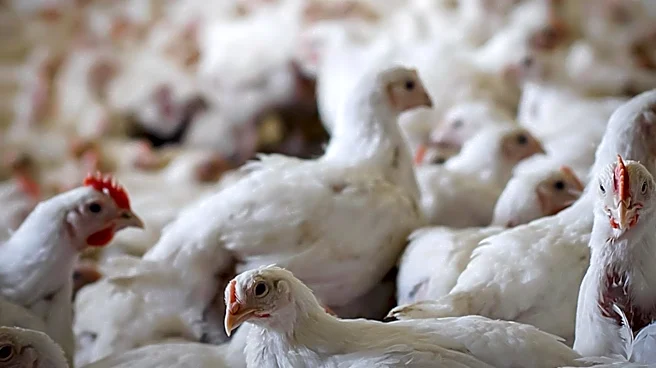
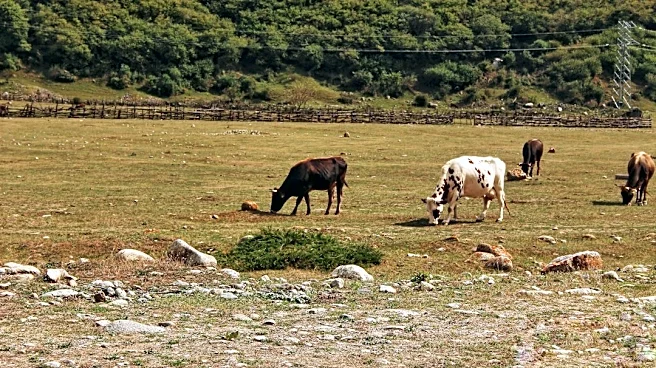
The development of an effective H5N1 vaccine for poultry is critically important for the U.S. agricultural sector and national food security. Since the current HPAI H5N1 outbreak began in 2022, over 168 million commercial and backyard poultry birds in the U.S. have been lost, leading to significant disruptions in food supplies, egg shortages, and increased consumer costs. The virus also poses a threat to other animal species, including dairy cattle, where it was first detected in the U.S. in 2024. Current control measures heavily rely on biosecurity, surveillance, and depopulation of infected flocks, as HPAI vaccine use remains largely unauthorized. A practical and scalable vaccine could offer a crucial additional tool for long-term control, reducing economic losses for poultry producers and stabilizing food prices for consumers. Furthermore, by targeting the entry points of infection and aiming for a broader immune response, this vaccine could enhance the resilience of the U.S. poultry industry against future outbreaks.
What's Next?
The LSU research team will proceed with the development and testing of the nanobody-directed H5N1 vaccine. Key next steps include rigorous efficacy trials to confirm the vaccine's ability to protect poultry against the virus and to differentiate vaccinated birds from naturally infected ones, which is crucial for disease surveillance. The team will also focus on optimizing the delivery methods, such as in ovo vaccination and administration via drinking water, to ensure practicality for commercial poultry operations. Successful development could lead to regulatory approval from the USDA, paving the way for widespread adoption in the U.S. poultry industry. The USDA's continued investment in the HPAI Poultry Innovation Grand Challenge indicates a sustained commitment to finding solutions, suggesting that other novel vaccines and therapeutics may also emerge. The long-term goal is to integrate effective vaccination strategies into a comprehensive HPAI control program, reducing the reliance on depopulation and mitigating the economic and food supply impacts of future outbreaks.
Beyond the Headlines
The pursuit of a novel H5N1 poultry vaccine, particularly one utilizing advanced nanobody technology, highlights a broader shift in agricultural biosecurity towards more sophisticated and proactive disease management. This research not only addresses an immediate threat to the poultry industry but also sets a precedent for developing targeted, efficient vaccines for other animal diseases. The emphasis on mucosal immunity and scalable delivery methods reflects an understanding of the practical challenges in large-scale animal agriculture. However, the introduction of widespread vaccination in poultry could also spark debates regarding trade implications, as some countries may have restrictions on importing vaccinated birds or products. There are also ethical considerations surrounding animal welfare and the potential for vaccine-induced resistance or the emergence of new viral strains. The success of this project could influence future funding and research priorities in veterinary medicine, pushing for more innovative biotechnological solutions to protect livestock and ensure global food security, while also requiring careful international coordination and policy development.