



What's Happening?
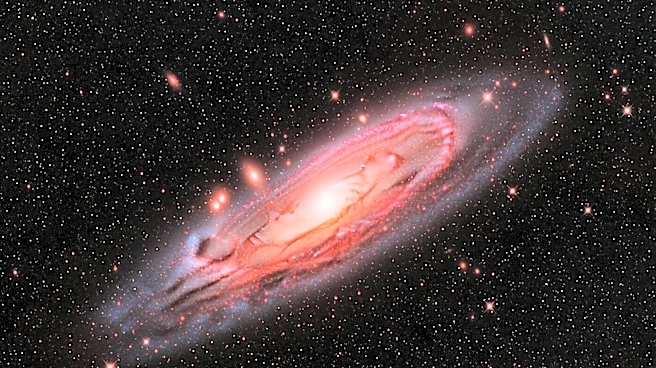
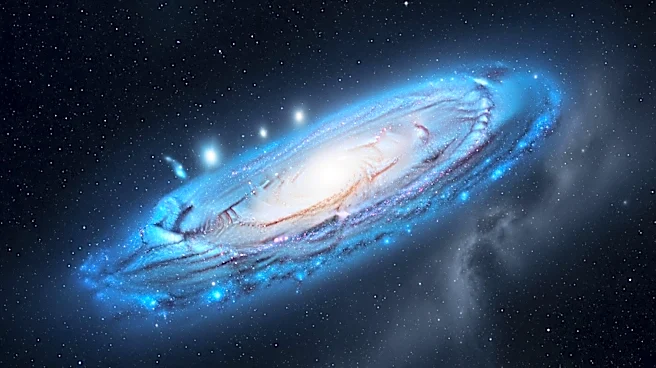
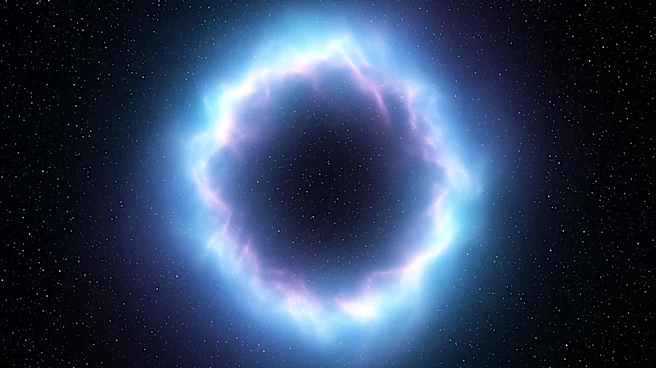
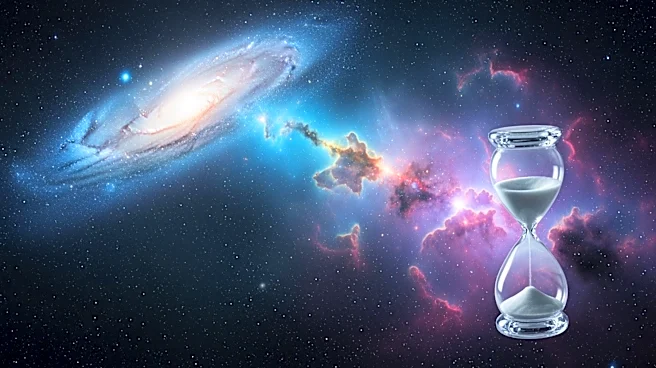
A new study has revealed that hydrogen gas clouds, or halos, surrounding galaxies are more prevalent than previously thought. Using the Hobby-Eberly Telescope, researchers identified over 33,000 hydrogen gas halos, significantly increasing the known number
from about 3,000. These halos, ranging from tens of thousands to hundreds of thousands of light-years across, provide crucial data for understanding star formation and galaxy evolution during the 'cosmic noon' period, 10 to 12 billion years ago.
Why It's Important?
The discovery of these hydrogen gas halos fills a critical gap in our understanding of the early universe and the processes that drive galaxy formation. Hydrogen is the primary ingredient for star formation, and these findings offer a more comprehensive view of how galaxies evolved during their most active period. The expanded dataset allows researchers to refine models of galaxy formation and evolution, potentially leading to new insights into the distribution of matter in the universe and the mechanisms driving cosmic structure formation.