



What's Happening?
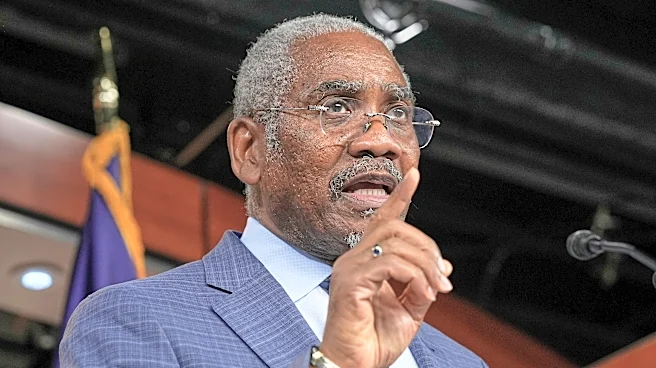
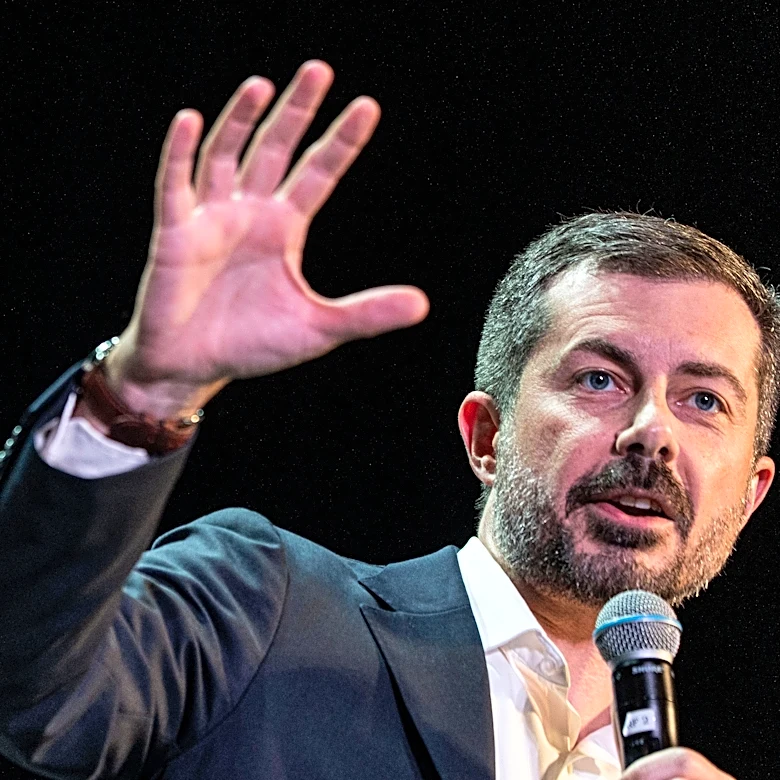
Representative Josh Riley (D-N.Y.) has drawn criticism for his vote in favor of the 'Protect Economic and Academic Freedom Act' on September 3, 2026. This legislation mandates that universities receiving federal funding must certify they will not engage
in 'nonexpressive commercial boycott of a major strategic partner of the United States.' Critics argue that this act undermines the First Amendment right to boycott, which the Supreme Court, in *Buckley v. Valeo*, recognized as a form of protected speech. The bill defines a 'major strategic ally' of the U.S. as Israel, a point of contention for those who view the legislation as a 'litmus test' on the U.S.-Israel relationship rather than a measure to protect academic freedom. Riley's district includes several prominent universities, such as Cornell University and Ithaca College, and his vote has been described as antithetical to the academic freedom and integrity these institutions represent. Despite Riley's assertion that no schools in his district were in violation of the bill, his vote is seen by some as legitimizing a 'witch hunt' against alleged antisemitism on college campuses.
Why It's Important?
This vote by Representative Riley carries significant implications for academic freedom and free speech within U.S. higher education. By requiring universities to certify against boycotts, the act could stifle dissent and limit the ability of institutions and individuals to express their views through economic means. This is particularly relevant given the historical precedent set by *Buckley v. Valeo*, which established that spending money is a form of constitutionally protected speech, implying that withholding financial resources is also protected. The legislation's specific targeting of boycotts against a 'major strategic partner' (Israel) raises concerns about political influence on academic institutions and the potential for censorship under the guise of combating antisemitism. For universities, compliance could mean compromising their autonomy and the free expression of their communities, while non-compliance could jeopardize federal funding. This situation highlights a broader tension between national foreign policy interests and fundamental constitutional rights, potentially setting a precedent for future restrictions on academic and economic expression.
What's Next?
The 'Protect Economic and Academic Freedom Act' still needs to pass in the Senate and receive the President's signature to become law. Should it pass these hurdles, it is highly anticipated to face civil litigation, challenging its constitutionality based on First Amendment concerns regarding freedom of speech and the right to boycott. The bipartisan support it received in the House, despite the controversy, suggests that similar legislative efforts could continue. Representative Riley, who is running for re-election in New York, is expected to face scrutiny from his constituents regarding his vote in the upcoming November midterm elections. Critics are calling on him to explain his stance and demonstrate his commitment to freedom of expression. The outcome of the Senate vote and subsequent legal challenges will determine the long-term impact of this legislation on U.S. universities and the scope of protected speech.
Beyond the Headlines
The debate surrounding the 'Protect Economic and Academic Freedom Act' delves into deeper ethical and legal dimensions concerning the balance between national interests, academic freedom, and constitutional rights. The act's focus on boycotts against a specific 'strategic partner' raises questions about the weaponization of legislative power to suppress political dissent, particularly within academic settings. This could lead to a chilling effect, where universities and their communities self-censor to avoid legal repercussions or loss of funding. Furthermore, the legislation's framing as a measure against antisemitism, while potentially well-intentioned, risks conflating criticism of a foreign government's policies with antisemitism, thereby undermining legitimate forms of protest. This development could contribute to a long-term shift in how free speech is interpreted and protected in the context of international relations and campus activism, potentially eroding the foundational principles of academic independence and open discourse.