


What's Happening?
Chile's GDP has surpassed expectations for 2025, growing by 2.5% despite a downturn in the mining sector. This growth was driven by increased trade and investment, according to the country's central bank. The economic performance slightly exceeded the bank's
forecast of 2.3%. The transition from leftist President Gabriel Boric to far-right successor Jose Antonio Kast marks a shift in economic policy, with Kast aiming for a 4% annual growth target. The new administration plans to implement measures such as reducing corporate tax rates to stimulate economic activity and address a fiscal deficit.
Why It's Important?
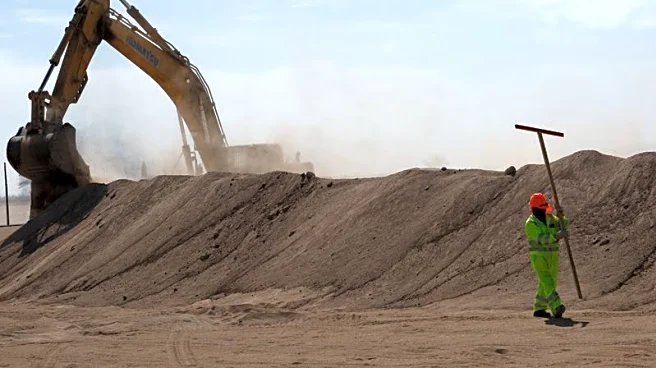
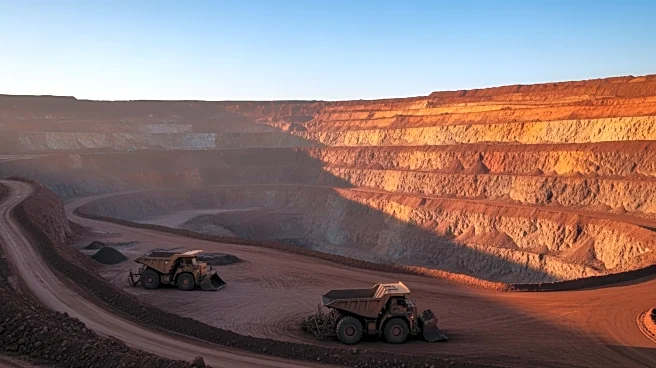
Chile's economic performance is crucial as it reflects the country's ability to navigate challenges in its key mining sector, particularly in copper and lithium production. These metals are vital for global industries, including electric vehicles and electronics. The economic strategies under President Kast, including tax reforms and spending cuts, aim to boost growth and reduce the fiscal deficit. These policies could influence investor confidence and economic stability in Chile, impacting international trade relations and the global supply chain for critical minerals.
What's Next?
The new Chilean government under President Kast is expected to introduce several economic reforms, including a reduction in corporate tax rates and a spending cut across government ministries. These measures are designed to stimulate economic growth and address the fiscal deficit. The administration's focus on economic revitalization may lead to increased foreign investment and changes in trade policies. Observers will be watching how these reforms impact Chile's economic landscape and its position in the global market, particularly in the mining sector.