







What's Happening?
The Seattle City Council has approved six bills establishing the Vehicle Resident Assistance Program, aiming to connect individuals living in vehicles with shelter and housing. The legislation, passed with an 8-1 vote, allocates $5 million in existing
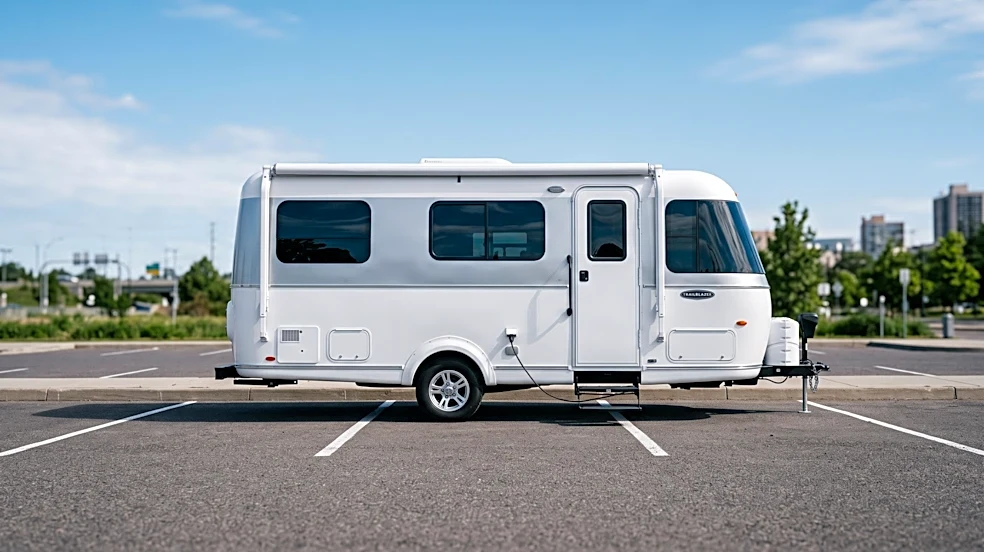
city funds for services such as safe lots, storage, and outreach. A key component of the program is a permit system for people residing in motorhomes and travel trailers. These residents can continue living in their RVs if they adhere to city laws and program rules and remain on a waitlist for appropriate shelter. The city will also have the authority to store vehicles for individuals entering shelter or housing. Councilmember Dan Strauss, who sponsored the legislation, stated that one in four unsheltered homeless individuals in the region lives in their vehicle, and these bills are designed to create a pathway to shelter and housing. The legislation also updates Seattle's junk vehicle law, which had not been revised in 25 years.
Why It's Important?
This program represents a significant policy shift in Seattle's approach to addressing vehicle homelessness. By providing a structured permit system and dedicated resources, the city aims to transition individuals from precarious living situations into more stable housing. The allocation of $5 million underscores a commitment to tackling this specific aspect of homelessness, which has broad societal implications, including public health, safety, and urban planning. The program's success could serve as a model for other U.S. cities grappling with similar challenges. However, the ACLU-WA has raised concerns about potential punitive enforcement and impoundment practices, arguing that these could further destabilize vulnerable populations. The balance between providing support and enforcing regulations will be crucial in determining the program's effectiveness and its impact on civil liberties.
What's Next?
The approved bills will now proceed to the mayor for approval and signature. If signed, the legislation is generally expected to take effect within 30 days. The specific RV regulations are scheduled to become effective on April 30, 2027, with enforcement commencing on July 31, 2027, following a warning period. During this period, the city will likely focus on implementing the permit system, establishing safe lots, and expanding outreach efforts. The concerns raised by the ACLU-WA regarding potential constitutional and civil liberties issues will likely remain a point of discussion and could lead to further adjustments or legal challenges. The program's long-term success will depend on its ability to effectively connect vehicle residents with sustainable housing solutions while minimizing negative impacts on their stability.
Beyond the Headlines
The Seattle City Council's decision highlights the growing complexity of homelessness in urban areas, where traditional shelter models are often insufficient to address the diverse needs of the unhoused population. The focus on vehicle residency acknowledges a specific demographic within the homeless community that requires tailored solutions. This initiative also brings to the forefront the ongoing debate between public order and individual rights, particularly for those living in unconventional circumstances. The program's implementation will likely spark discussions about the role of local government in providing social services, the effectiveness of punitive measures versus supportive interventions, and the broader societal responsibility to ensure housing security. The outcome in Seattle could influence how other cities develop policies for vehicle homelessness, potentially leading to a more nuanced and compassionate approach nationwide.