





What's Happening?
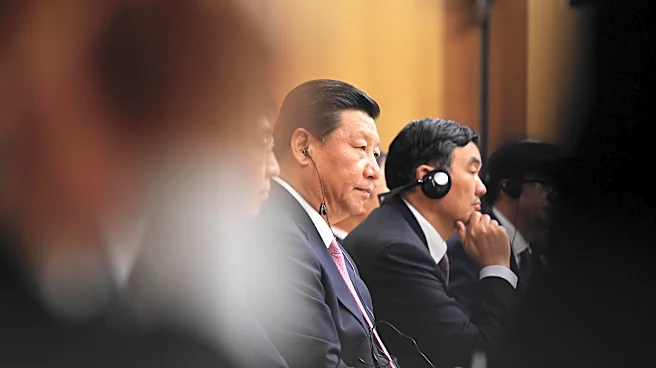
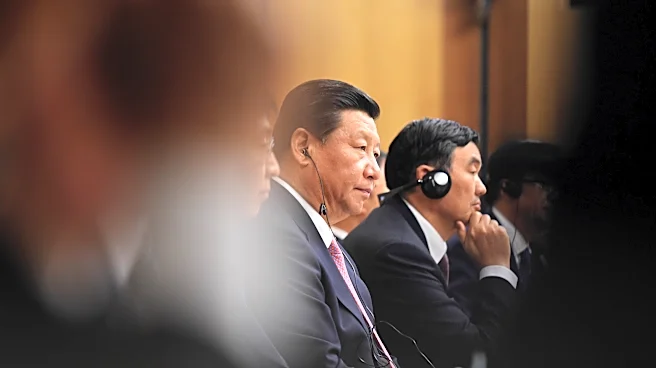
President Xi Jinping held talks with Sultan Haitham of Oman in Beijing, marking the first visit by an Omani head of state to China since diplomatic ties were established 48 years ago. President Xi emphasized the longstanding friendship and mutual trust
between China and Oman, expressing confidence that the discussions would elevate their strategic partnership. He highlighted China's commitment to high-quality development and high-standard opening up, aiming to create greater opportunities for Oman and other nations. Sultan Haitham praised China's global political and economic influence under President Xi's leadership and reaffirmed Oman's adherence to the one-China principle. Both leaders expressed a desire to expand practical cooperation across various sectors, including energy, investment, industry, AI, science and technology, and people-to-people exchanges. Following the talks, multiple cooperation documents were signed in areas such as industrial and supply chains, green development, and digital finance.
Why It's Important?
This high-level meeting underscores China's expanding diplomatic and economic influence in the Middle East, a region of significant strategic importance for global energy markets and geopolitical stability. For the U.S., China's deepening ties with Oman, a key player in the Gulf region, represent a continued shift in global alliances and economic partnerships. As China seeks to diversify its energy sources and expand its Belt and Road Initiative, strengthening relationships with Middle Eastern countries like Oman is crucial. This engagement also highlights China's role as a proponent of resolving regional disputes through political and diplomatic means, potentially offering an alternative to traditional Western approaches. The increased cooperation in advanced technologies like AI and green development also signals China's ambition to lead in these emerging sectors, which could have long-term implications for global technological standards and market dominance.
What's Next?
The strategic partnership between China and Oman is expected to deepen further, with increased collaboration in energy, investment, and advanced technologies. The signed cooperation documents will likely lead to concrete projects and initiatives in industrial and supply chain integration, green development, and digital finance. China will continue to advocate for peace and stability in the Middle East, seeking to strengthen communication and coordination with Oman and other Arab states to resolve regional security challenges. Oman, in turn, will likely continue to align its development strategies with China's, leveraging Chinese investment and technological expertise. This growing partnership could serve as a model for China's engagement with other countries in the region, potentially leading to a broader reorientation of economic and political ties in the Middle East. The U.S. will likely monitor these developments closely, as they impact regional stability and global energy security.
Beyond the Headlines
Beyond the immediate economic and political implications, this meeting signifies a broader trend of developing nations seeking diversified partnerships beyond traditional Western alliances. Oman's explicit support for the one-China principle and its appreciation for China's stance on Middle East issues reflect a growing alignment of interests and values. This could contribute to a more multipolar international order where countries have more options for economic and political cooperation. The emphasis on green development and digital finance in the signed agreements also points to a future where sustainable development and technological innovation are central to international partnerships. This could set new precedents for how developing countries approach modernization, potentially influencing global standards and practices in these critical areas. The long-term impact could be a more interconnected global economy with diverse centers of influence and innovation.