






What's Happening?
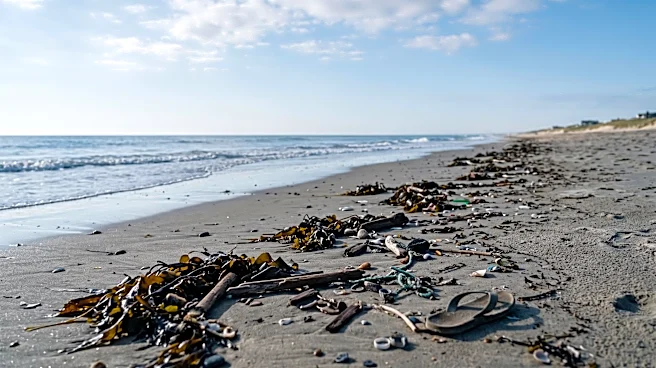
A popular New Jersey beach in Manasquan was temporarily closed to swimmers after dozens of syringes washed ashore. The initial discovery occurred on Saturday when a beachgoer found five needles, prompting a sweep of the area. According to News 12, citing
Mayor Mike Managan, a total of 60 syringes were found during the search, and Monmouth County health officials were notified. The waters were reopened on Sunday morning after authorities reevaluated the area following two high-tide cycles, as stated in a Facebook post from the Manasquan Office of Emergency Management. However, some beachgoers reported finding additional needle plungers and drug paraphernalia after the reopening, raising concerns about the safety of the water. Local resident Priscilla Mahajan expressed that one beach cleanup was insufficient to declare the area safe. The New Jersey Department of Environmental Protection (NJDEP) suggested that the syringes likely washed ashore due to heavy rain from the previous week, which triggered sewer overflows carrying debris onto the beach. Officials noted that much of the debris was household waste, including insulin syringes commonly used by diabetics.
Why It's Important?
The closure of a popular New Jersey beach due to medical waste highlights significant public health and environmental concerns for coastal communities. The presence of syringes and drug paraphernalia poses immediate risks of injury and potential exposure to infectious diseases for beachgoers, particularly children. This incident could deter tourism, impacting local businesses and the regional economy that relies on summer visitors. The suspected cause—sewer overflows triggered by heavy rain—underscores a broader infrastructure vulnerability. Aging wastewater systems, when overwhelmed by severe weather events, can discharge pollutants and debris into natural waterways, affecting not only recreational areas but also marine ecosystems. This event brings to light the need for robust infrastructure investment and effective waste management strategies to protect public spaces and environmental health. The public's trust in the safety of recreational areas is also at stake, potentially leading to long-term changes in beach visitation patterns and increased scrutiny of environmental regulations.
What's Next?
Following the incident, authorities are urging the public to report any environmental emergencies, chemical spills, illegal dumping, odor complaints, and wildlife concerns to the Manasquan Police Department at 732-223-1000 and the NJDEP at 1-877-WARN-DEP. This call to action indicates an ongoing effort to monitor the situation and prevent future occurrences. Local officials will likely face pressure to implement more stringent monitoring and cleanup protocols for beaches, especially after heavy rainfall. There may be discussions regarding infrastructure improvements to prevent sewer overflows, which are a recurring issue in many coastal areas. Public health officials will continue to assess the safety of the water and the beach, potentially issuing further advisories or closures if additional hazardous materials are found. The incident could also prompt a review of waste disposal practices and public awareness campaigns to educate residents on proper disposal of medical waste.
Beyond the Headlines
This incident at Manasquan beach extends beyond a simple cleanup operation, touching upon critical issues of environmental resilience and public trust. The suspected link between heavy rainfall and sewer overflows points to the escalating challenges posed by climate change and inadequate urban infrastructure. As extreme weather events become more frequent, the capacity of existing wastewater systems to handle increased runoff will be continually tested, potentially leading to more frequent contamination of public spaces. The discovery of household medical waste, specifically insulin syringes, also raises questions about community-level waste disposal practices and the need for accessible and safe disposal methods for medical sharps. This event could catalyze broader conversations about environmental policy, funding for infrastructure upgrades, and public education campaigns aimed at fostering a more responsible approach to waste management. The long-term implications could include shifts in how coastal communities prepare for and respond to environmental hazards, influencing everything from local ordinances to state-level environmental protection strategies.