




What's Happening?
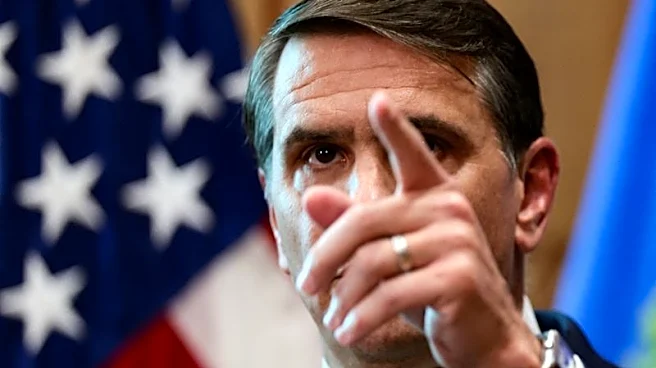
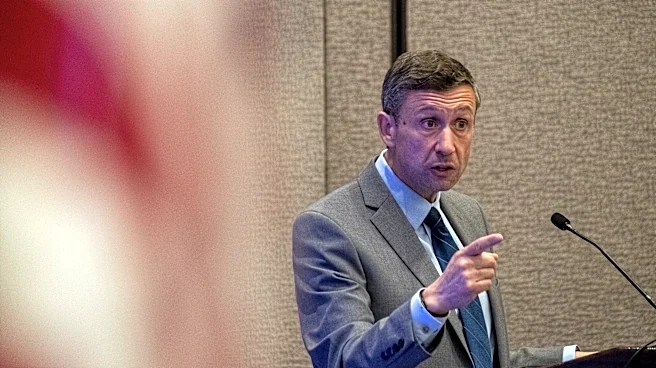
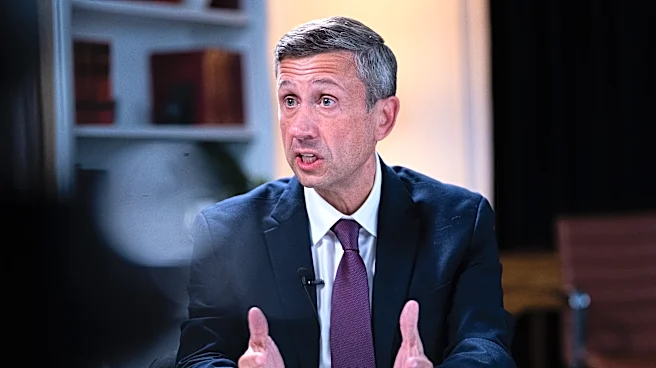
Democratic National Committee (DNC) Chairman Ken Martin has issued a plea for more financial assistance from allies, emphasizing the need to boost fundraising efforts in the final months leading up to the November midterm elections. Speaking at an executive
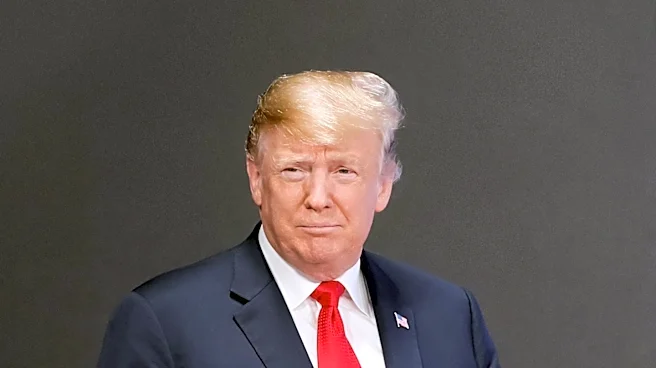
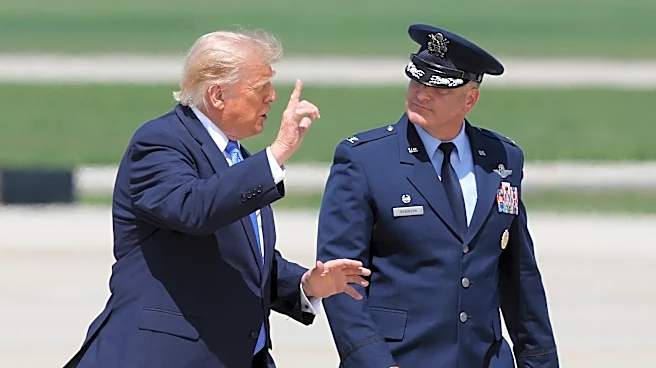
committee meeting, Martin acknowledged the DNC's record fundraising achievements, stating it has raised more money than any other DNC without the White House in its team in its 198-year history. However, he stressed that despite these efforts, the DNC and other Democratic committees (DCCC, DSCC, DGA, DLCC) have been outraised by their Republican counterparts. Martin attributed the Republican financial advantage partly to President Trump's administration, which he claimed has "auctioned off the federal government" and filled its "war chest" through corporate contributions. President Trump's super PAC, MAGA Inc., reportedly holds a substantial $400 million war chest.
Why It's Important?
This call for increased financial support highlights a critical challenge for the Democratic Party in the lead-up to the midterm elections: a significant fundraising disparity compared to Republicans. The financial gap could impact the Democrats' ability to effectively campaign, disseminate their message, and support candidates across various races, from congressional to state-level contests. A robust war chest allows for extensive advertising, ground operations, and voter outreach, which are crucial for electoral success. The DNC's financial struggles, including having $16.3 million cash on hand and over $18 million in debt at the end of June, contrast sharply with the Republican National Committee's $129 million. This imbalance could influence the outcomes of key races, potentially affecting the balance of power in Congress and state governments, and shaping the legislative agenda for the coming years.
What's Next?
In response to the fundraising challenges, DNC Chairman Ken Martin has announced plans to convene a special finance committee composed of "big-name fundraisers" to bring additional financial firepower to the DNC. This initiative aims to intensify fundraising efforts during the remaining 81 days before the elections, ensuring the party has sufficient resources to compete effectively "up and down the ballot." The DNC's national finance co-chair, Chris Korge, expressed optimism, stating the committee is 107% to its fundraising goal and expects further improvements. However, the success of these efforts will depend on the ability to mobilize donors and overcome the substantial financial advantage held by Republican organizations and President Trump's super PAC. The outcome of these fundraising drives will be a key indicator of the Democratic Party's competitiveness in the upcoming midterms.
Beyond the Headlines
The DNC's fundraising struggles and Martin's public appeal underscore broader issues within campaign finance and political party organization in the U.S. The significant financial advantage of the Republican Party, particularly with President Trump's super PAC, raises questions about the influence of large donors and corporate money in politics. It also highlights the ongoing debate about campaign finance regulations and the role of super PACs in shaping election outcomes. The DNC's strategy of relying on individual candidates to outraise their Republican opponents in specific races, while the national committee struggles, points to a decentralized fundraising model that may not always compensate for national-level disparities. This situation could prompt internal discussions within the Democratic Party about long-term fundraising strategies, donor engagement, and the structural challenges of competing against well-funded political machines.