








What's Happening?
The Lowy Institute has published an analysis examining how the psychology of leaders can influence economic policy decisions. The report highlights the role of institutions and established practices in acting as guardrails between a leader's personal
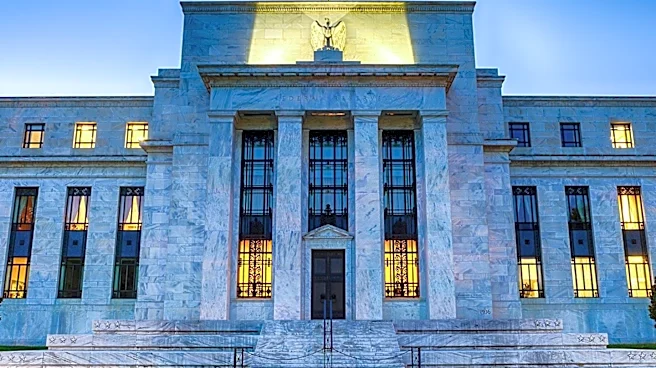
impulses and their economic consequences. It argues that independent central banks, fiscal frameworks, and trade agreements help limit politically motivated decisions. However, in today's disrupted world, many of these guardrails have been weakened, leading to more personalized and unpredictable economic policies. The analysis suggests that the behavioral characteristics of leaders are becoming increasingly significant in shaping economic outcomes.
Why It's Important?
This analysis is important as it sheds light on the growing influence of leadership psychology on economic policy, particularly in an era where traditional institutional checks are being challenged. The report underscores the need for robust institutional frameworks to prevent personal impulses from dictating economic decisions. As authority becomes more personalized, understanding the psychological profiles of leaders can provide insights into their policy choices and potential economic impacts. This perspective could influence how policymakers and economic stakeholders approach negotiations and strategy development.
What's Next?
The report suggests that until new credible guardrails emerge, economic actors will need to adjust to the increased unpredictability in policy decisions. This may involve diversifying supply chains, building precautionary financial buffers, and hedging relationships with trading partners. Policymakers may also need to focus on strengthening institutional frameworks to ensure stability and predictability in economic policy. The analysis calls for a deeper understanding of leadership psychology to anticipate and mitigate potential economic disruptions.