


What's Happening?
The U.S. Army has awarded Anduril a contract valued at up to $1.8 billion over five years to expand its Next Generation Command and Control (NGC2) ecosystem. This contract includes an initial base period of $162.8 million, specifically for extending NGC2's
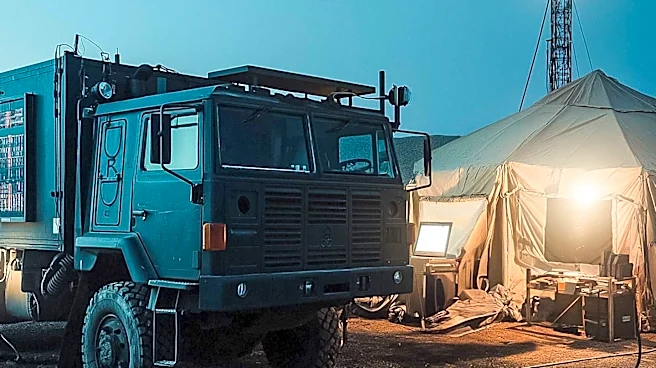
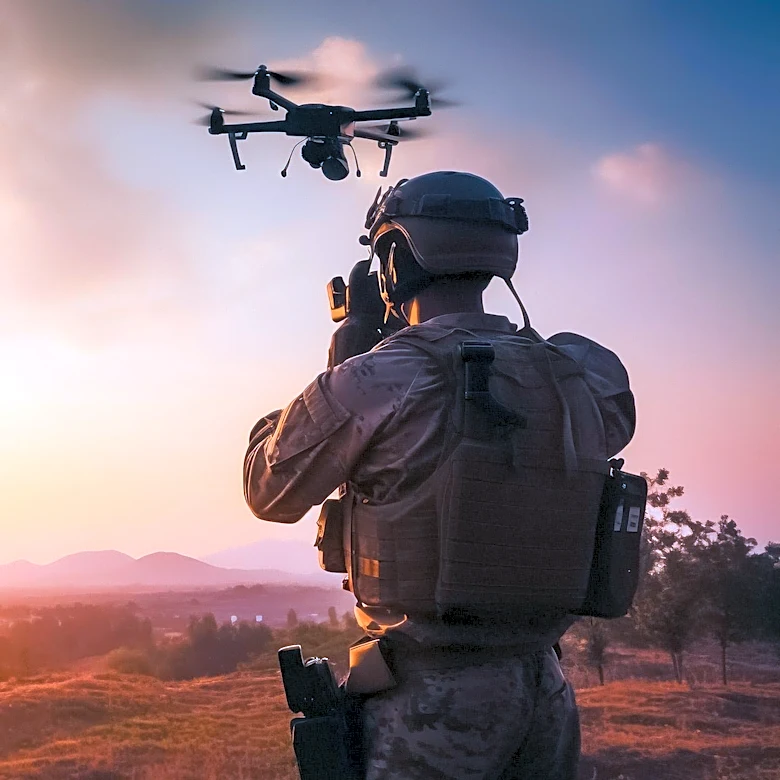
common data layer to I Corps. Anduril was selected in June to lead the common data layer baseline for NGC2, surpassing Lockheed Martin. The NGC2 system, underpinned by Anduril's Lattice software platform, is designed to create an interconnected network of hardware and software, enabling commanders to rapidly exchange data and make informed decisions using advanced sensors, AI programs, and other technologies. The expansion to I Corps is particularly significant as this unit is focused on the Pacific theater, presenting complex operational challenges due to vast distances and potential communication disruptions.
Why It's Important?
This contract signifies a major step forward in the U.S. Army's modernization efforts, particularly in addressing its long-standing challenge of integrating disparate systems into a unified network. The NGC2 ecosystem, with its common data layer, is crucial for enhancing battlefield awareness, accelerating decision-making, and improving interoperability among U.S. and allied forces. The focus on the Pacific theater underscores the strategic importance of this region for U.S. defense policy, where the ability to operate effectively across vast distances and in contested environments is paramount. By enabling the seamless integration of new technologies from various companies, NGC2 aims to ensure that the Army can adapt quickly to evolving threats and maintain a technological edge. This investment also highlights the Pentagon's commitment to leveraging artificial intelligence and advanced software solutions to transform military operations.
What's Next?
The immediate next step involves the expansion of NGC2's common data layer to I Corps, which will begin to integrate the system into its operations in the Pacific theater. This will involve coordinating with joint and allied forces and addressing challenges related to disrupted and intermittent communications. The five-year contract suggests a sustained effort to field NGC2 at a corps-scale, moving beyond the division-scale prototyping seen in the past year. The Army will continue to integrate new systems and technologies into the NGC2 framework, with Anduril emphasizing that the common data layer allows for this without rebuilding the entire underlying architecture. Future tests and exercises, similar to Project Convergence Capstone 6, will likely assess the system's performance and identify further areas for improvement, particularly in diverse operational environments.
Beyond the Headlines
The Army's adoption of Anduril's NGC2 system represents a broader shift in military procurement and technological strategy, moving towards more agile, software-defined defense capabilities. The emphasis on a 'common data layer' reflects a recognition that future warfare will rely heavily on data integration and rapid information flow, rather than isolated hardware systems. This approach could foster greater innovation by allowing a wider range of defense contractors and tech companies to contribute specialized components that can plug into a standardized framework. However, it also raises questions about data security, system resilience against cyberattacks, and the ethical implications of AI-driven decision-making in combat. The success of NGC2 could set a precedent for how other branches of the U.S. military and allied forces approach their own command and control modernization efforts, potentially reshaping the global defense technology landscape.