








What's Happening?
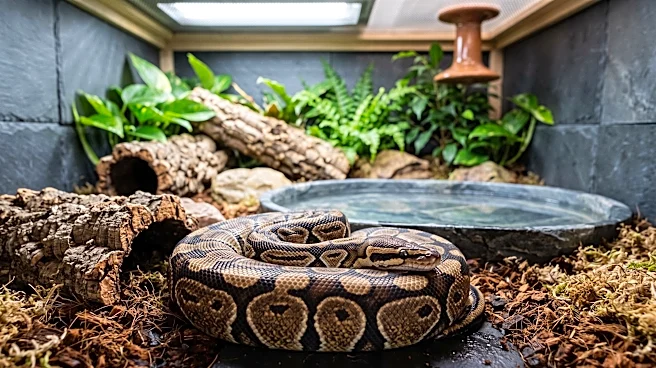
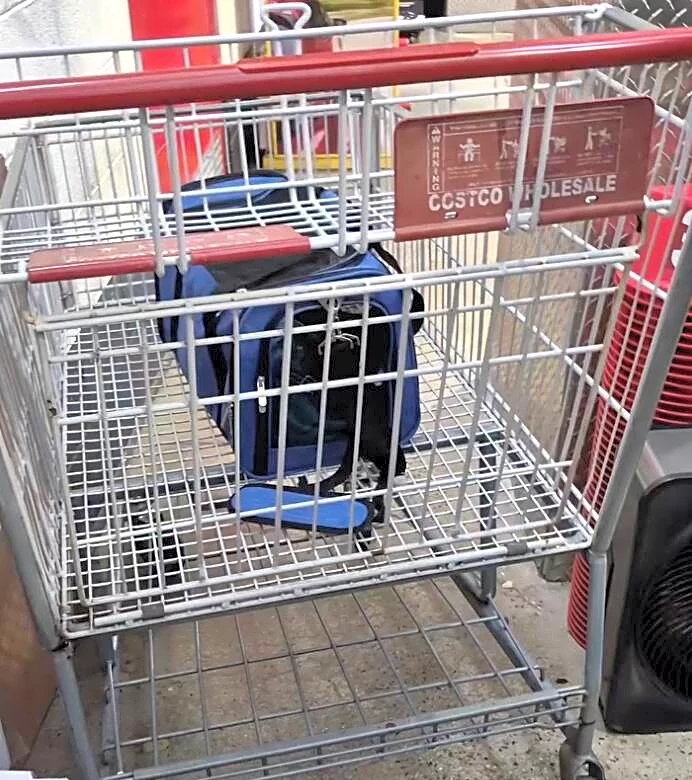
A Glendale city worker made an unusual discovery while emptying trash cans at Brand Park on Monday: a live 4-foot ball python. The snake was found curled up inside one of the bins. An animal control officer from Pasadena Humane was dispatched to the scene
and successfully removed the python. The nonvenomous snake was subsequently taken for veterinary exams to check for any illnesses or injuries and is reportedly doing well at the facility, enjoying soaks in a pool between checkups. The origin of the snake remains unclear; authorities are unsure if it was a lost pet or intentionally placed in the trash can. Ball pythons are native to West and Central Africa and are commonly kept as pets, suggesting this one likely belonged to someone. Pasadena Humane has not yet announced whether the snake will be put up for adoption or if efforts will be made to locate an owner.
Why It's Important?
This incident highlights several important issues, including responsible pet ownership and the potential ecological impact of exotic animals in urban environments. The discovery of a ball python, a non-native species, in a public park raises concerns about the welfare of the animal and the safety of the public. While ball pythons are nonvenomous, their presence in an unexpected location can cause alarm. More broadly, the event underscores the problem of pet abandonment, particularly with exotic animals that require specialized care and can live for decades. The source mentions that Florida has faced significant challenges with invasive pythons, descended from released or escaped pets, which have caused sharp declines in native mammal populations in the Everglades. Although this single incident in Glendale may not indicate an invasive species problem, it serves as a reminder of the potential consequences when exotic pets are released into the wild, disrupting local ecosystems and posing a burden on animal control services.
What's Next?
Pasadena Humane will continue to care for the ball python, ensuring its health and well-being through veterinary exams. The organization has not yet decided whether to seek out the snake's owner or to put it up for adoption. The lack of clarity regarding how the snake ended up in the trash can means that the underlying issue of pet abandonment or escape in the area may not be immediately resolved. This incident could prompt local animal welfare organizations to issue reminders about responsible pet ownership, particularly concerning exotic animals. It may also lead to increased vigilance in public parks for abandoned animals. The long lifespan of ball pythons (20-30 years in captivity, potentially over 50) means that if adopted, the snake will require a significant long-term commitment from its new owner, emphasizing the need for careful consideration in pet adoption processes.
Beyond the Headlines
The discovery of the ball python in a public trash can touches upon the ethical responsibilities associated with owning exotic pets. Unlike common domestic animals, exotic pets often have complex needs regarding habitat, diet, and temperature regulation, making their care challenging. When owners are unable or unwilling to meet these needs, abandonment becomes a tragic outcome, often leading to the animal's suffering or, in some cases, ecological disruption if they establish wild populations. This incident also subtly highlights the broader issue of the exotic pet trade and the ease with which individuals can acquire animals that may not be suitable for typical home environments. It serves as a poignant reminder of the interconnectedness between human actions and animal welfare, urging a more thoughtful approach to pet ownership and stricter regulations or greater public awareness regarding exotic species.