





What's Happening?
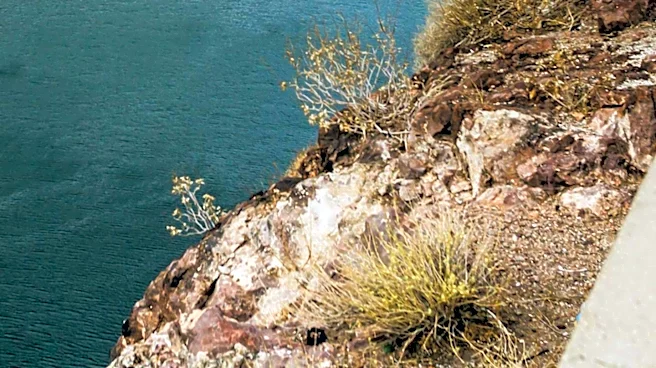
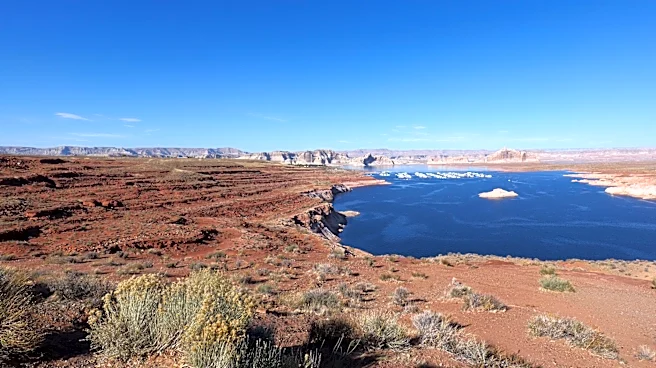
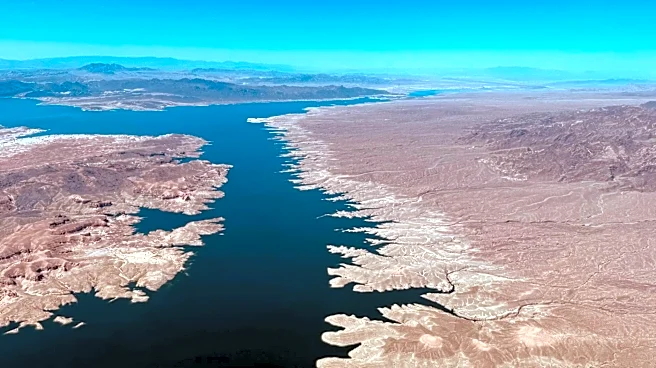
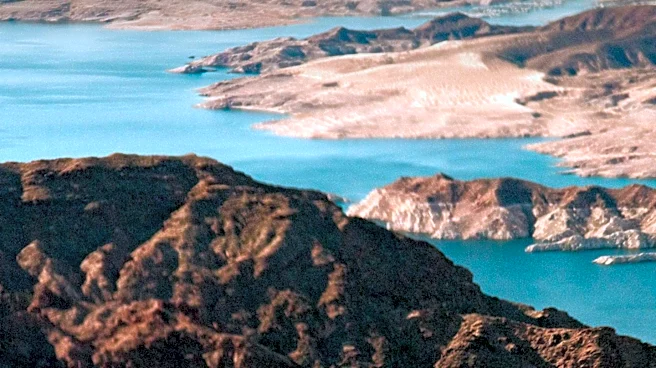
The Colorado River's two largest reservoirs, Lake Mead and Lake Powell, have hit record low levels, exacerbating the water crisis in the Western United States. Disagreements among the seven states that rely on the river have stalled progress on water-sharing
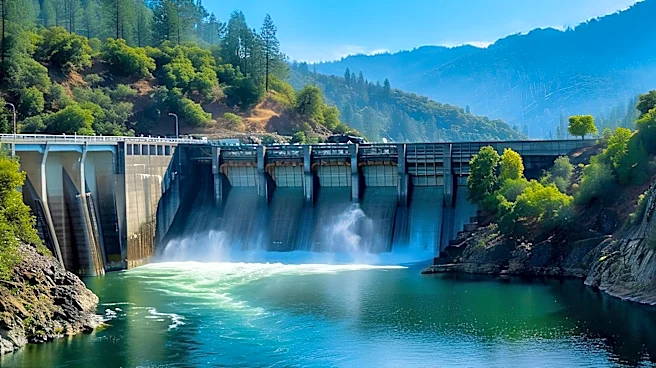
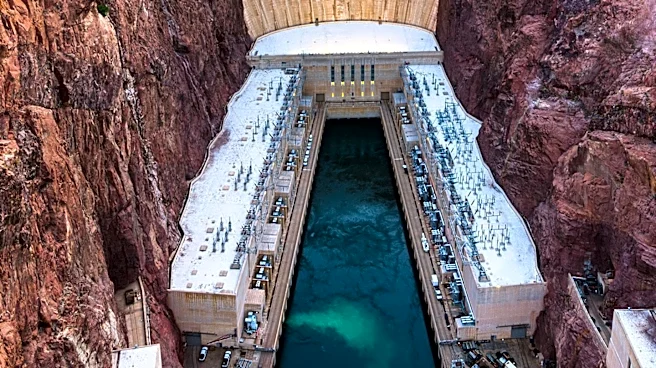
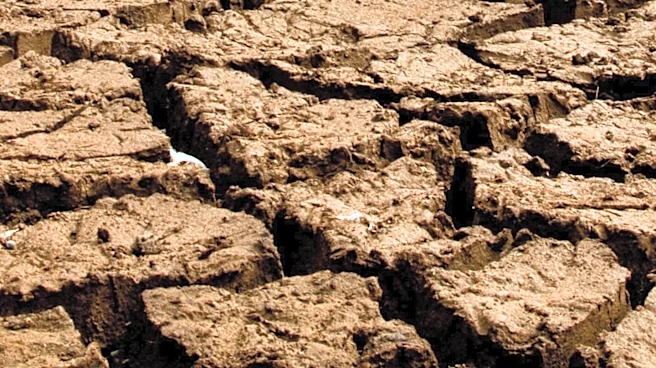
agreements. Federal officials are considering imposing significant cuts to water usage, which could impact cities, agriculture, and hydroelectric power generation. The crisis is driven by reduced snowpack due to climate change and increased demand from population growth.
Why It's Important?
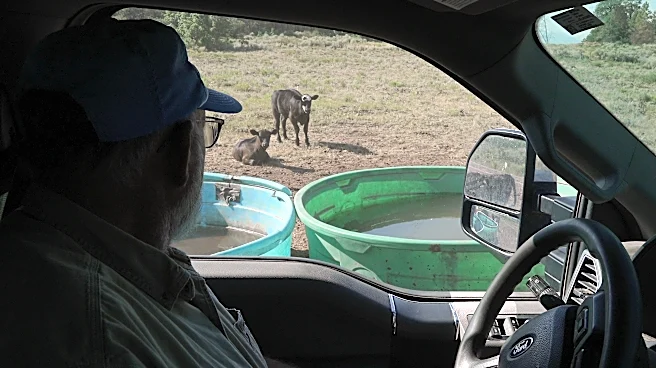
The water crisis in the Colorado River Basin has far-reaching implications for millions of residents, agriculture, and energy production in the Western U.S. The potential cuts could lead to higher water costs, stricter usage restrictions, and significant economic impacts on farming communities. The situation highlights the urgent need for sustainable water management practices and cooperative agreements among states to address the challenges posed by climate change and resource scarcity.
What's Next?
Federal intervention may lead to mandatory water usage cuts if states fail to reach an agreement. This could prompt legal challenges and further negotiations among stakeholders. The crisis may also accelerate investments in water conservation technologies and infrastructure improvements. Long-term solutions will require collaboration among states, federal agencies, and local communities to ensure water security and resilience against future climate impacts.