







What's Happening?
Environmental organizations, including GOB and Terraferida, have voiced significant disappointment following a meeting with Balearic Government ministers regarding overtourism, housing, quality of life, and limits to growth in Mallorca. Representatives
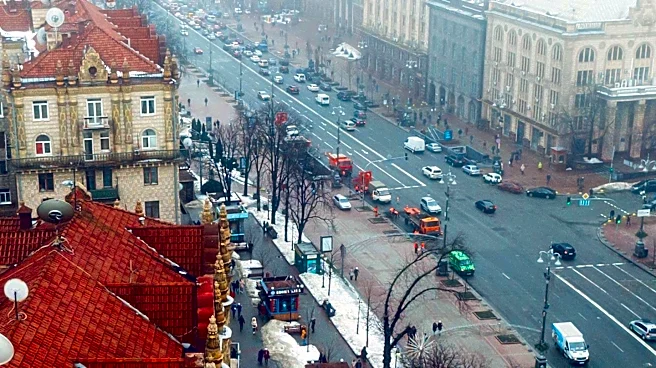
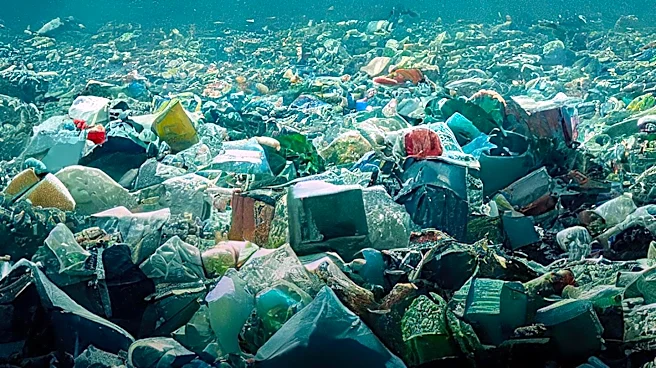
Joan Moranta, Tonina Siquier, and Maria Orts stated that they disagreed with the government's diagnosis and proposed measures. They argue that while the government speaks of 'containment,' the region continues to experience unchecked growth, leading to increased human pressure, deteriorating aquifers, and higher waste generation. The environmentalists highlighted that residents are increasingly unable to access beaches and face worsening traffic congestion, despite a proposed €350 million investment in a second ring road, which they believe perpetuates the existing unsustainable model. They contend that public transport improvements are being ignored and that laws are being passed that contradict efforts to address the real problems. The groups presented President Prohens with 1,050 documents from demonstrations, advocating for ecological limits and prioritizing residents' quality of life.
Why It's Important?
This situation in Mallorca underscores a growing global challenge where the economic benefits of tourism clash with environmental sustainability and the well-being of local populations. For U.S. travelers, this could signal a shift in how popular international destinations manage tourism, potentially leading to increased restrictions, fees, or a push towards less-visited areas. The environmentalists' call for placing ecological limits and residents' quality of life at the heart of public policy reflects a broader movement that could influence travel trends and destination choices. If more destinations adopt similar stances, it could impact the U.S. tourism industry by altering demand for certain international travel packages and encouraging the development of more sustainable travel options. The debate also highlights the tension between economic growth driven by tourism and the long-term environmental and social costs, a dilemma faced by many popular tourist destinations worldwide, including some within the U.S.
What's Next?
The environmental groups anticipate further disappointment, suggesting that the government's current approach will not lead to meaningful change. They continue to advocate for a reduction in growth and a fundamental shift in the tourism model, rather than merely managing saturation. The government's commitment to investing in infrastructure like the second ring road, despite environmental concerns, indicates a continued focus on accommodating growth. Future actions may include further protests and increased pressure from environmental and community groups for the government to implement stricter regulations on tourism and development. The discussion around restricting foreigners from buying homes also suggests potential policy changes aimed at addressing housing affordability for residents. The ongoing dialogue will likely shape future tourism policies, potentially leading to caps on visitor numbers, increased tourist taxes, or incentives for sustainable tourism practices in the Balearic Islands and other similar destinations.
Beyond the Headlines
The conflict in Mallorca reflects a deeper ethical and cultural debate about the ownership and preservation of local environments and communities in the face of global tourism. The environmentalists' sentiment that 'our island no longer belongs to us' highlights the erosion of local identity and quality of life when tourism becomes overwhelming. This raises questions about the responsibility of tourists and the tourism industry to respect and preserve the cultural and ecological integrity of destinations. The government's reluctance to declare the Balearic Islands a 'stressed residential area' and its focus on 'modifiable' carrying capacity indices suggest a prioritization of economic interests over environmental and social concerns. This dynamic can lead to long-term ecological damage, displacement of local residents, and a loss of authentic cultural experiences, ultimately diminishing the very appeal that draws tourists in the first place. The situation serves as a case study for other regions grappling with the balance between economic development and sustainable living.