


What's Happening?
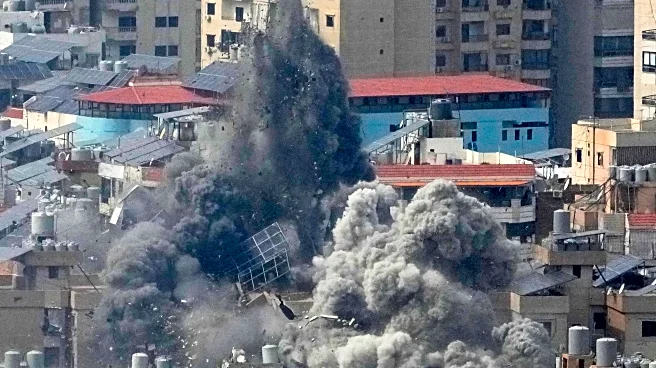
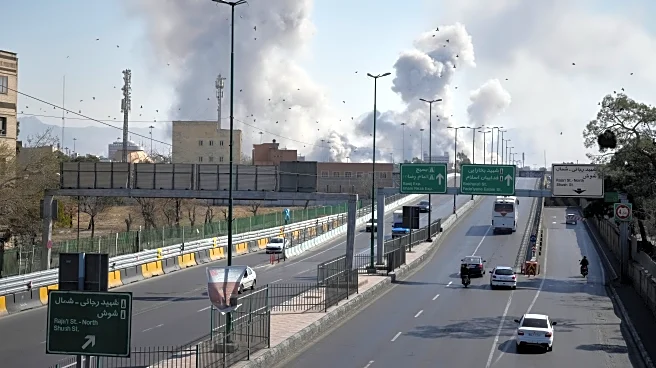
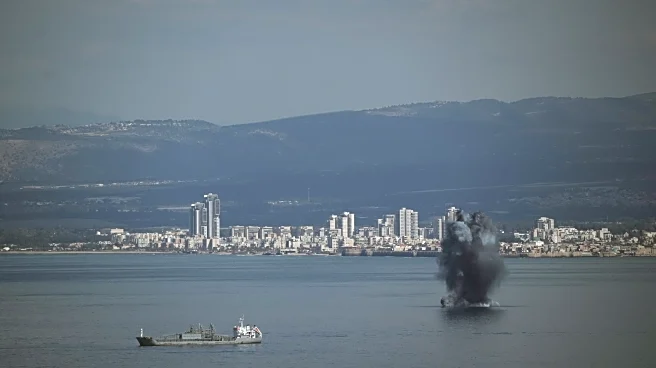
Anjali Sharma, a Baltimore County native, was stranded in the Middle East due to escalating conflict with Iran. She was in Doha, Qatar, for a layover on her way to India for a cousin's wedding when the situation deteriorated. After receiving emergency
alerts and witnessing missile attacks near a U.S. air base, Sharma sought assistance from U.S. officials. She enrolled in the Smart Traveler Enrollment Program (STEP) and was eventually able to travel by car to Riyadh, Saudi Arabia, where she caught a flight to India. The U.S. State Department has been actively assisting Americans in the region, with over 17,500 citizens having returned to the U.S. or relocated to safer areas.
Why It's Important?
The situation highlights the challenges faced by American citizens abroad during international conflicts. The U.S. State Department's role in providing assistance and ensuring the safety of its citizens is crucial. This incident underscores the importance of emergency preparedness and the need for effective communication between travelers and government agencies. The ongoing conflict with Iran poses significant risks to international travel and safety, affecting not only individuals like Sharma but also broader geopolitical relations and travel policies.
What's Next?
The U.S. State Department will continue to monitor the situation and provide assistance to Americans in the Middle East. Travelers are advised to stay informed through official channels and enroll in programs like STEP for updates. The conflict's progression may lead to further evacuations and adjustments in travel advisories. The U.S. government may also review its diplomatic strategies and emergency response protocols in light of these events.