


What's Happening?
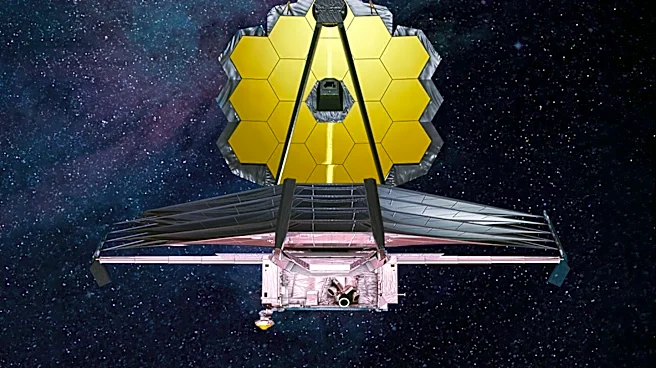
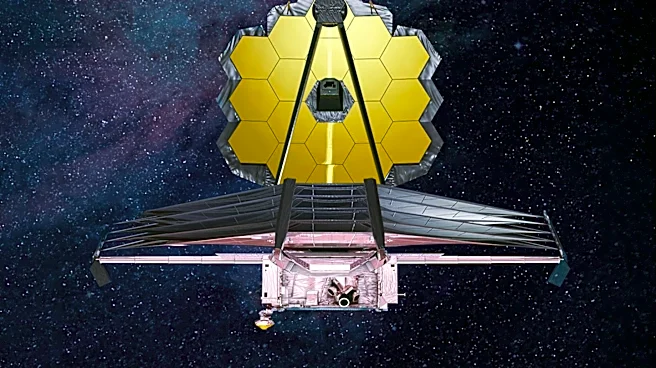
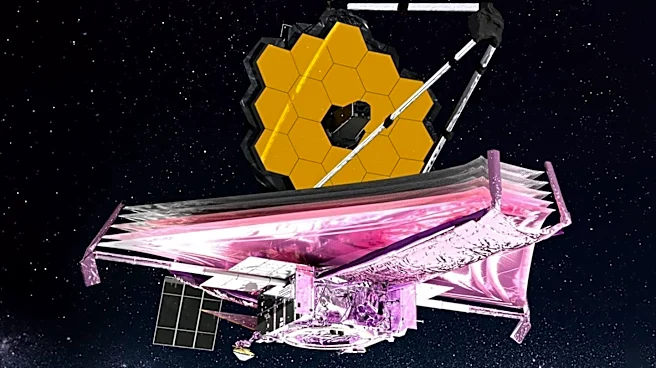
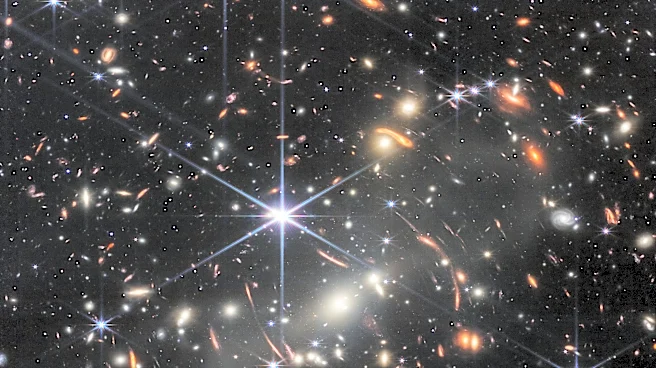
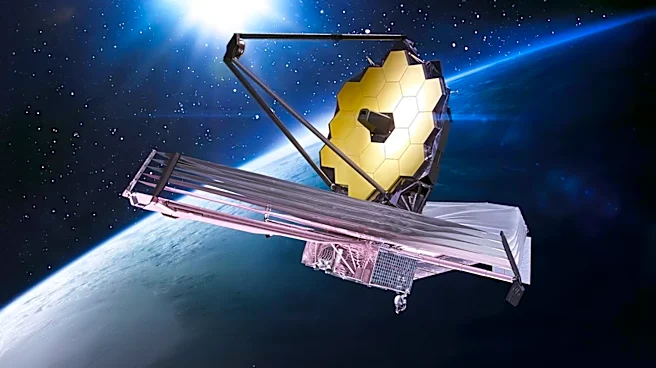
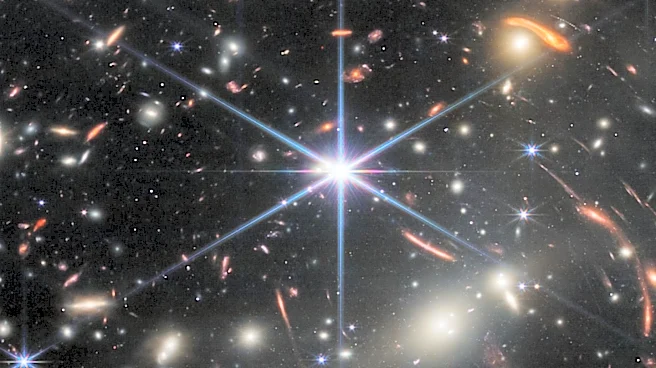
The James Webb Space Telescope (JWST) has provided data from 2026 indicating that galaxies in the very early universe were already emitting heavy elements such as oxygen, carbon, and silicon. This discovery challenges the prevailing standard model of
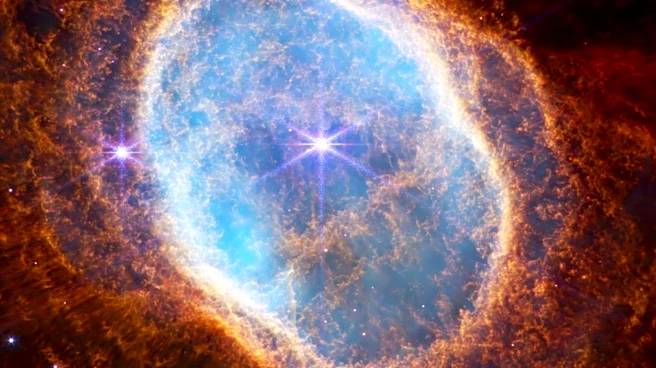
early universe galaxy formation, which posited that such elements would have formed much later. The JWST has also set new records for observing the most distant confirmed galaxy, JADES-GS-z14-0, located 13.5 billion light-years away, surpassing the previous record held by GN-z11. Astronomers were initially surprised by the number, size, and relatively advanced development of galaxies observed in the early universe. This unexpected observation led to a re-evaluation of pre-launch assumptions about JWST's observational capabilities, which the telescope ultimately exceeded. Once these initial assumptions were corrected and more precise numerical simulations were developed, the observations aligned better with theoretical models, highlighting a unique instance where the telescope's superior performance initially caused discrepancies.
Why It's Important?
This finding is significant because it forces a re-evaluation of our understanding of cosmic evolution and the timeline for the formation of heavy elements. The presence of oxygen, carbon, and silicon in such early galaxies suggests that star formation and nucleosynthesis occurred more rapidly and extensively than previously thought. This could lead to revisions in cosmological models that describe the universe's infancy, including theories about the first stars and galaxies. The implications extend to understanding the origins of planetary systems and life, as these heavy elements are fundamental building blocks. If galaxies were chemically enriched much earlier, it suggests that the conditions for planet formation might have been present sooner in cosmic history. This also underscores the transformative power of advanced observational tools like the JWST in pushing the boundaries of astronomical knowledge and challenging long-held scientific paradigms.
What's Next?
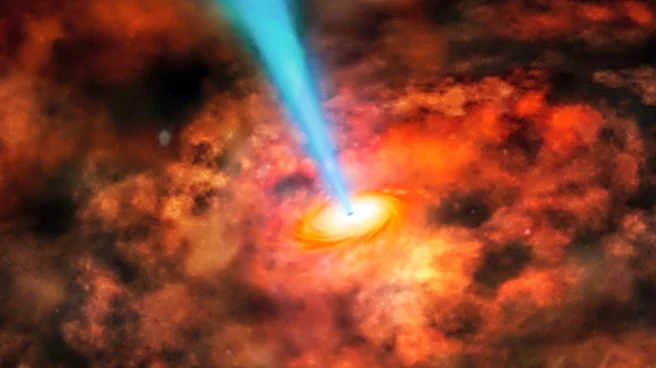
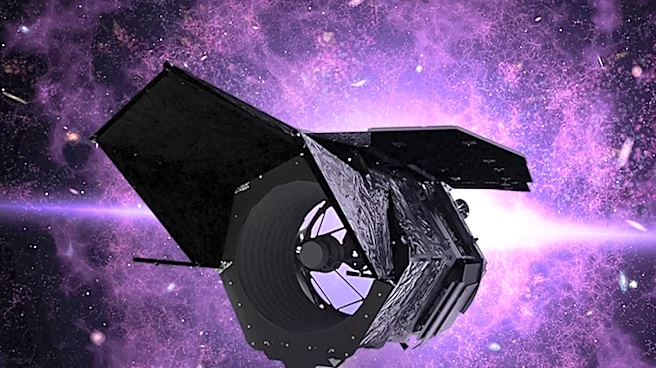
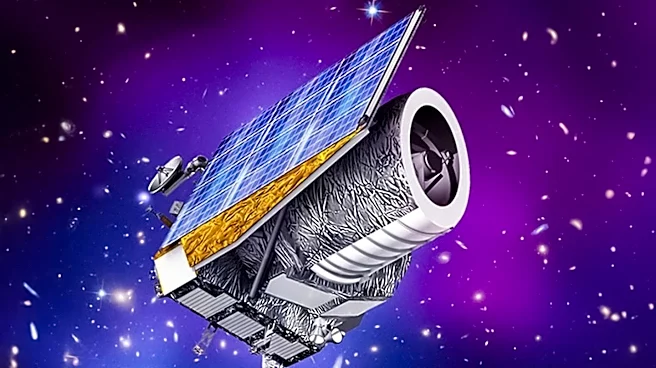
Future observations with the JWST and other advanced telescopes will likely focus on further characterizing these early galaxies to understand the mechanisms behind their rapid chemical enrichment. Scientists will aim to gather more spectroscopic data to confirm the abundance and distribution of heavy elements and to identify the types of stars responsible for their production. This will involve developing more sophisticated simulations to integrate these new findings into a coherent model of galaxy evolution. The ongoing research will also seek to resolve discrepancies in the Hubble constant, a parameter that defines the universe's expansion rate, as JWST data could provide new insights. Continued analysis of distant galaxies may also shed light on the nature of 'small red dots,' mysterious objects observed only in specific phases of the early universe, which are currently hypothesized to be either cores of small galaxies with central black holes or large stars with black holes at their centers.
Beyond the Headlines
The detection of heavy elements in the early universe has profound implications beyond astrophysics, touching upon fundamental physics and our understanding of the universe's fundamental constants. It suggests that the processes governing star formation and element synthesis are more efficient or different in the early universe than current models predict. This could lead to new theoretical frameworks that incorporate these rapid enrichment processes. Furthermore, the ability of JWST to observe such distant and ancient phenomena highlights the continuous advancement of human technological capabilities and our quest to understand cosmic origins. The ongoing refinement of cosmological models based on these discoveries could also influence our understanding of dark matter and dark energy, as the early universe's composition and evolution are intrinsically linked to these mysterious components. This continuous cycle of observation, challenge, and refinement is central to the scientific method, pushing the boundaries of human knowledge.