






What's Happening?
Iran's Foreign Minister, Abbas Araghchi, has identified a lack of trust as the primary barrier in negotiations aimed at ending the ongoing conflict with the United States. Speaking in New Delhi, Araghchi expressed skepticism about the U.S.'s intentions,
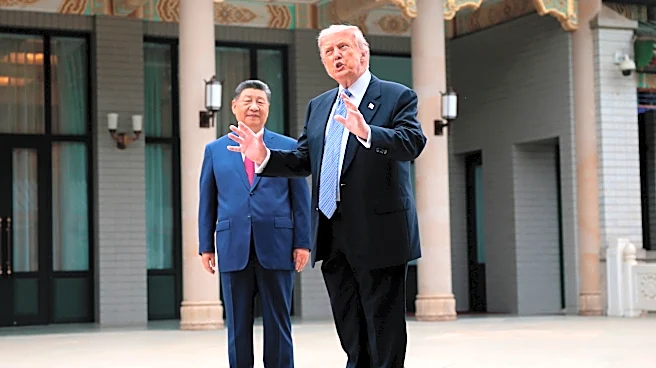
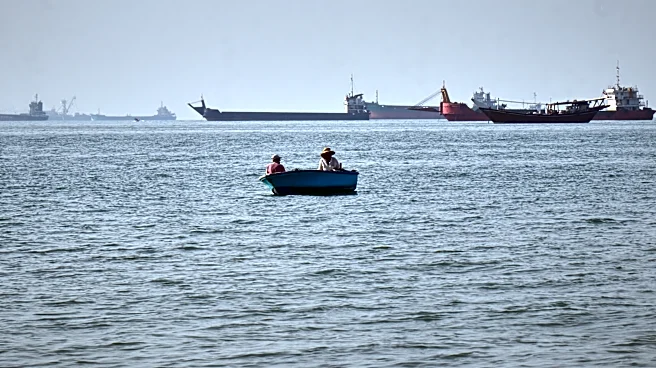
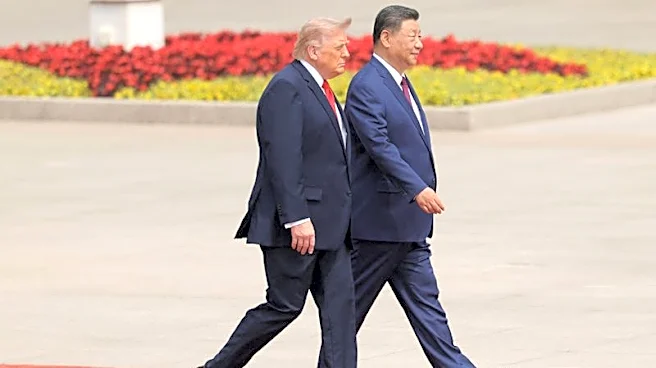
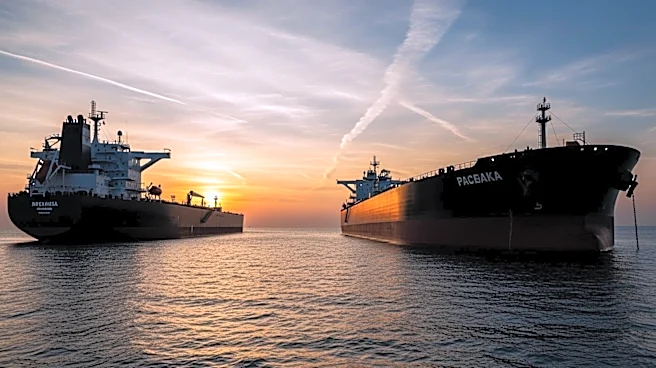
citing contradictory messages from Washington. He indicated that Iran is open to diplomatic assistance from other nations, particularly China, to help ease tensions. The conflict has led to a blockade of Iranian ports by the U.S. and a chokehold by Iran on the Strait of Hormuz, a critical oil passage. President Trump has dismissed Iran's recent proposals, demanding significant nuclear concessions, while Iran maintains its nuclear program is for peaceful purposes. Meanwhile, separate negotiations between Israel and Lebanon have resulted in an extension of their ceasefire, with further talks scheduled.
Why It's Important?
The ongoing conflict between Iran and the U.S. has significant implications for global energy markets and regional stability. The Strait of Hormuz, controlled by Iran, is a vital route for global oil shipments, and its closure has exacerbated the worldwide energy crisis. The lack of progress in negotiations could lead to further escalation, impacting international oil prices and economic stability. Additionally, the involvement of China as a potential mediator highlights the shifting dynamics in international diplomacy, where traditional Western powers may not be the sole influencers. The situation also underscores the complexities of nuclear negotiations, with Iran's uranium enrichment program remaining a contentious issue.
What's Next?
Future developments hinge on the willingness of both the U.S. and Iran to engage in meaningful dialogue. The potential involvement of China as a mediator could alter the diplomatic landscape, depending on Beijing's level of engagement. The extension of the Israel-Lebanon ceasefire provides a temporary reprieve, but ongoing military actions suggest that tensions remain high. The upcoming talks between Israel and Lebanon, as well as the military discussions scheduled by the Pentagon, will be critical in determining the next steps in the region. Additionally, the UAE's accelerated pipeline construction to bypass the Strait of Hormuz indicates a strategic shift in regional oil export strategies.