

What's Happening?
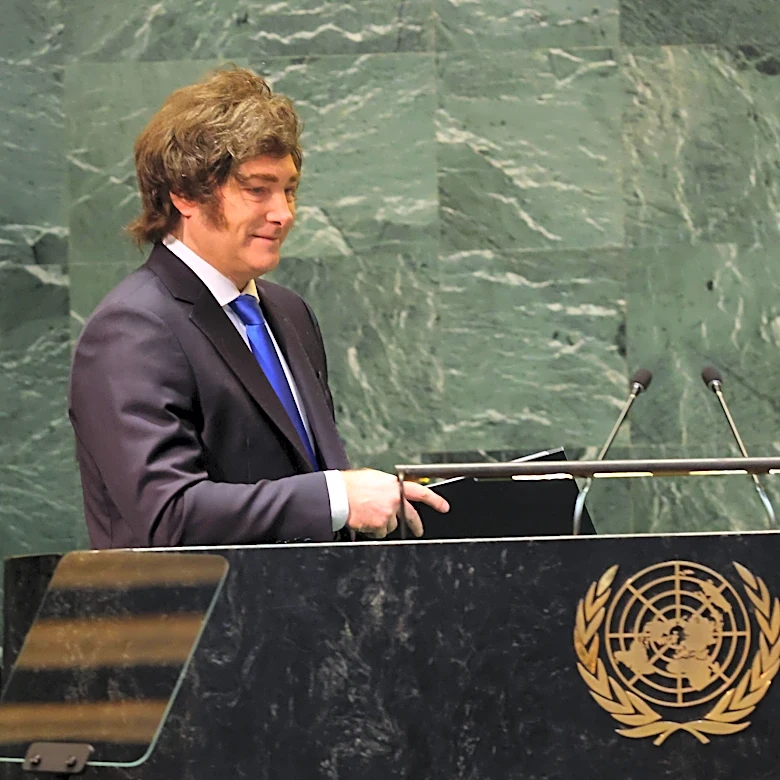
The Committee to Protect Journalists (CPJ) recently hosted a press briefing in New York, highlighting the global decline in media freedoms, with a particular focus on the escalating violations against female journalists in occupied Palestine. The briefing,
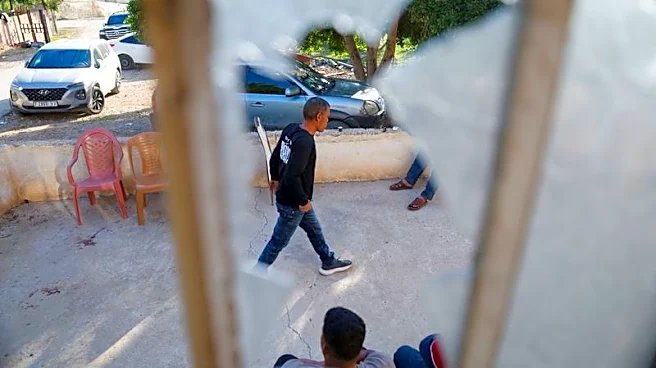
organized in conjunction with the United Nations Correspondents Association, detailed a rise in arrests, assaults, threats, enforced disappearances, and restrictions on journalistic work in conflict zones. CPJ emphasized that these violations are no longer confined to repressive regimes but are also occurring in countries that identify as democracies. The discussions underscored that the protection of journalists is an international concern, as hindering their work deprives the public of crucial information. Specific attention was drawn to the unique risks faced by female journalists in occupied Palestine, who are subjected to intimidation and assaults impacting their dignity and personal security. An incident involving an American photojournalist in the occupied West Bank last October was cited as an example of the severe field conditions under occupation forces. The briefing also revealed that occupation authorities threaten Palestinian female journalists released from detention to prevent them from speaking about their experiences, often by threatening re-arrest or targeting family members, which suppresses eyewitness accounts and diminishes female representation in the profession.
Why It's Important?
The systematic targeting and intimidation of female journalists in occupied Palestine, as highlighted by the CPJ, has significant implications for press freedom and human rights globally. This trend not only endangers individual journalists but also undermines the media's ability to report truthfully from conflict zones, thereby depriving the international community of accurate information. The CPJ's call for international action to combat impunity and provide effective protection for journalists underscores the urgency of the situation. The threats against female journalists, including psychological and social pressures, torture, and threats to family members, create a chilling effect, forcing many to self-censor or withdraw from field coverage. This suppression of information can lead to a distorted understanding of events on the ground, impacting international policy decisions and public opinion. The situation also raises concerns about the erosion of democratic values and human rights standards, even in nations that claim to uphold them, as violations against journalists are increasingly observed beyond traditionally repressive states. The lack of political will among many governments to implement existing international legal frameworks for journalist protection further exacerbates the problem, making accountability for perpetrators elusive.
What's Next?
The Committee to Protect Journalists is calling for urgent international action to address the policy of impunity and ensure effective protection for journalists in occupied territories. This includes transforming expressions of solidarity into concrete steps, such as securing the release of detained journalists, revealing the fate of those missing, and holding accountable those responsible for direct attacks on the press. The CPJ advocates for integrating press freedom and human rights standards into international diplomatic cooperation and sanctions relief decisions for countries accused of repression. Moving forward, the committee will continue to document these violations and present them to international institutions, while also providing support to journalists facing threats or forced exile. The international community will likely face increased pressure to respond to these calls, potentially leading to diplomatic efforts, sanctions, or increased monitoring of media freedom in conflict zones. The ongoing documentation by organizations like CPJ will be crucial in maintaining international awareness and pushing for accountability, though the effectiveness of these efforts will depend on the political will of various governments and international bodies.
Beyond the Headlines
The systematic targeting of female journalists in occupied Palestine reveals deeper ethical and societal implications beyond immediate press freedom concerns. The specific tactics of intimidation, including threats of re-arrest and harm to family members, exploit societal vulnerabilities and gender-based violence, aiming to silence women's voices and perspectives in reporting. This not only impacts the individual journalists but also perpetuates a broader culture of fear and self-censorship, particularly among women in the profession. The erosion of female presence in field reporting due to these pressures can lead to a significant gap in coverage, as women often bring unique insights and access to stories that might otherwise go untold. Furthermore, the CPJ's observation that violations against journalists are extending to countries that classify themselves as democracies suggests a concerning global trend where the fundamental principles of a free press are being challenged. This could lead to a long-term shift in how information is disseminated and consumed, potentially fostering environments where misinformation thrives and accountability for human rights abuses diminishes. The lack of political will to enforce international protections for journalists highlights a systemic failure that could have lasting consequences for global transparency and democratic governance.