


What's Happening?
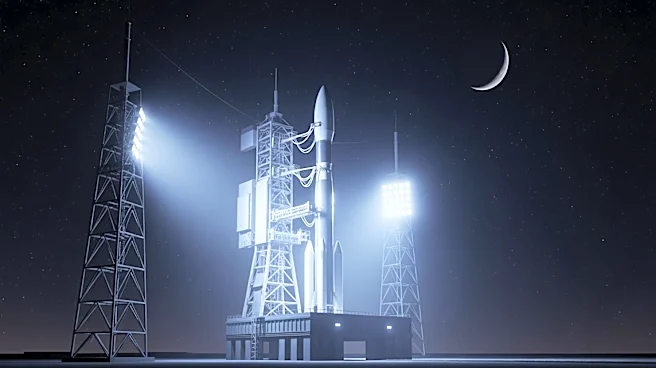
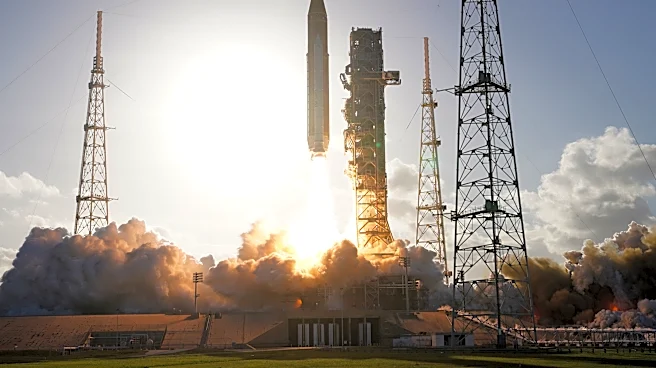
NASA successfully launched the Artemis 2 mission, marking the first crewed lunar flight since 1972. The mission, part of NASA's Artemis program, aims to return humans to the Moon and establish a sustainable presence. The launch took place from Kennedy
Space Center in Florida, with the spacecraft set to orbit the Moon before returning to Earth. This mission is a critical step in NASA's long-term goal of exploring Mars and beyond. The Artemis program represents a significant milestone in human space exploration, with international collaboration and technological advancements playing key roles.
Why It's Important?
The Artemis 2 mission is pivotal for the future of human space exploration, as it lays the groundwork for sustainable lunar exploration and potential Mars missions. It signifies a renewed commitment to space exploration, fostering international partnerships and technological innovation. The mission also has implications for scientific research, as it aims to gather data that could enhance our understanding of the Moon and its resources. Additionally, the Artemis program is expected to inspire a new generation of scientists and engineers, contributing to advancements in various fields related to space technology.
What's Next?
Following the successful launch of Artemis 2, NASA will focus on the subsequent phases of the Artemis program, which include landing astronauts on the lunar surface and establishing a lunar base. These efforts will involve collaboration with international partners and private companies. The data and experience gained from Artemis 2 will inform future missions, including the planned Artemis 3 mission, which aims to land the first woman and the next man on the Moon. Continued investment in space exploration is anticipated, with potential benefits for scientific research, technology development, and international cooperation.