




What's Happening?
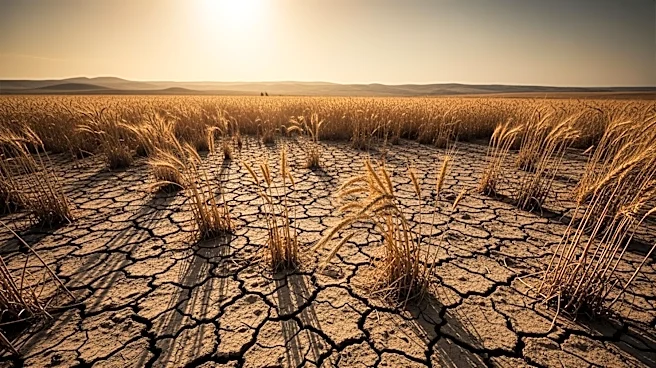
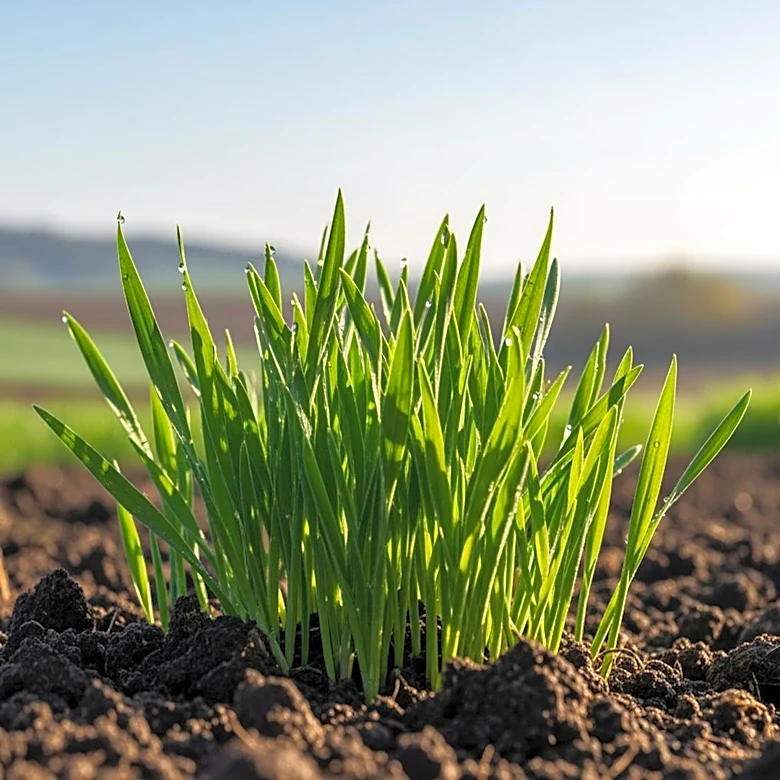
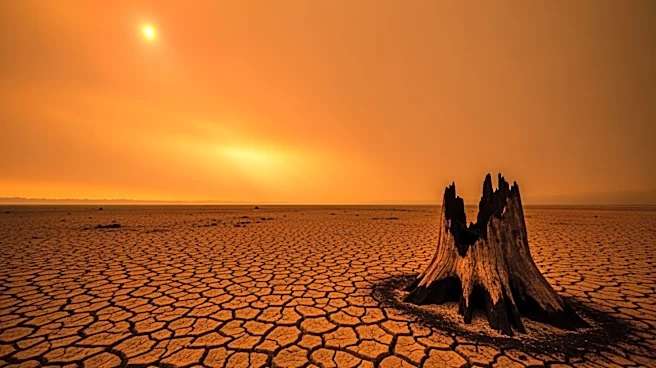
Farmers in the Great Plains are facing a severe drought that threatens winter wheat harvests and cattle herds. The drought, covering nearly 90% of Nebraska and Oklahoma, has been exacerbated by a late-winter heat spell and low rainfall. This has led to
massive pasture fires and forced cattle producers to consider costly feed purchases or herd reductions. The US Department of Agriculture reports that only 30% of the winter wheat crop is rated good to excellent, the lowest since 2023. The drought is compounded by high fertilizer prices, partly due to geopolitical tensions, which have led some farmers to reduce fertilizer use.
Why It's Important?
The drought poses a significant threat to the US agricultural sector, particularly in the Great Plains, a key region for wheat production and cattle farming. The potential for reduced wheat yields and cattle herd sizes could impact food supply and prices, both domestically and internationally. The situation underscores the vulnerability of agriculture to climate variability and the economic pressures faced by farmers, including rising input costs. The drought's impact on the cattle industry could also affect beef prices, which are already at record highs.
What's Next?
Farmers and agricultural organizations are likely to seek relief measures and support from government agencies to mitigate the drought's impact. The development of El Niño later in the year may bring some relief, but it could be too late for the current wheat crop. Ongoing drought conditions may prompt further discussions on water management and climate adaptation strategies in agriculture. The situation may also lead to increased advocacy for policies addressing climate change and its impact on agriculture.