







What's Happening?
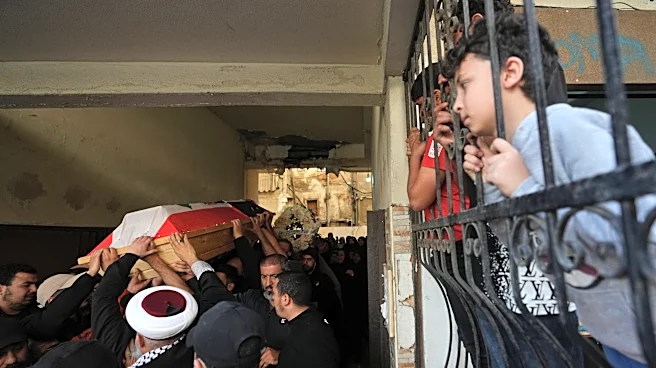
The ongoing conflict with Iran has significantly depleted U.S. military munitions stockpiles, prompting the Pentagon to divert weapons from allies in Asia and Europe. The U.S. Department of Defense is urging Congress to approve a $1.45 trillion budget
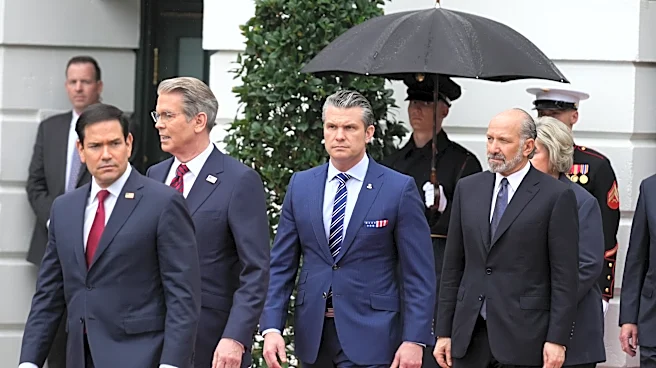
to address these shortages. Defense Secretary Pete Hegseth has been actively seeking congressional support to expand production of critical defense systems, such as the Patriot air defense systems and Tomahawk cruise missiles. The war with Iran has already cost the U.S. $25 billion, with estimates suggesting higher final costs. The depletion of stockpiles has raised concerns about the U.S. military's readiness to confront potential threats from China and Russia.
Why It's Important?
The depletion of U.S. munitions due to the Iran conflict highlights vulnerabilities in military preparedness, especially concerning potential conflicts with major powers like China and Russia. The situation underscores the need for increased defense spending and production capabilities to ensure national security. The diversion of weapons from allies could strain international relations and weaken collective defense efforts. The Pentagon's push for a substantial budget increase reflects the urgency of addressing these challenges to maintain global military dominance and readiness.
What's Next?
The Pentagon's request for a $1.45 trillion budget is pending congressional approval. If granted, it would facilitate the expansion of munitions production and replenish depleted stockpiles. However, the timeline for these measures to take effect could span several years, leaving interim vulnerabilities. The U.S. may need to reassess its defense strategies and international commitments to balance immediate needs with long-term security goals. The outcome of congressional deliberations will significantly impact the U.S. military's future capabilities and geopolitical stance.