


What's Happening?
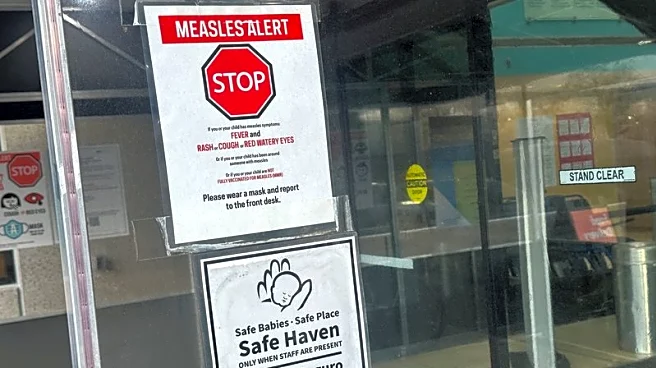
South Carolina is currently experiencing a measles outbreak, with a significant increase in cases reported by the South Carolina Department of Public Health. The outbreak has been linked to travel and has spread within communities where vaccination rates
are lower. Dr. Stephen Thacker, an Associate Professor of Pediatrics and a pediatric infectious disease specialist at MUSC Children’s Health, emphasized the contagious nature of measles, which can spread through the air and linger in a room for hours. The disease is more than just a rash; it can lead to high fever, pneumonia, brain swelling, and in severe cases, hospitalization or death. Infants, young children under five, pregnant individuals, and those with weakened immune systems are at the highest risk of complications.
Why It's Important?
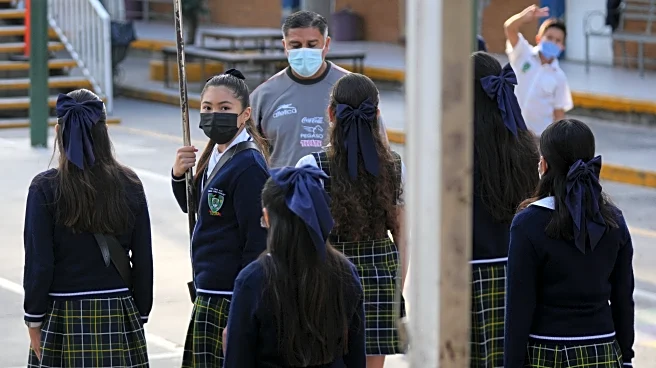
The measles outbreak in South Carolina highlights the critical importance of vaccination in preventing the spread of infectious diseases. With most cases occurring in unvaccinated or under-vaccinated individuals, the situation underscores the need for community-wide immunization efforts. Vaccination not only protects individuals but also helps prevent outbreaks, safeguarding vulnerable populations such as infants who are too young to be vaccinated. The outbreak serves as a reminder that measles remains a threat and that maintaining high vaccination rates is essential for public health. The situation could have broader implications for public health policy and vaccination campaigns, potentially influencing how health officials address vaccine hesitancy and misinformation.
What's Next?
Health officials are likely to continue monitoring the outbreak closely and may implement additional measures to increase vaccination rates in affected communities. Public health campaigns could be intensified to educate the public about the safety and efficacy of the MMR vaccine. Parents are encouraged to ensure their children receive the recommended doses of the vaccine, and those traveling to areas with known outbreaks may consider early vaccination for infants. The situation may prompt discussions among policymakers and health professionals about strategies to improve vaccination coverage and address barriers to immunization.