





What's Happening?
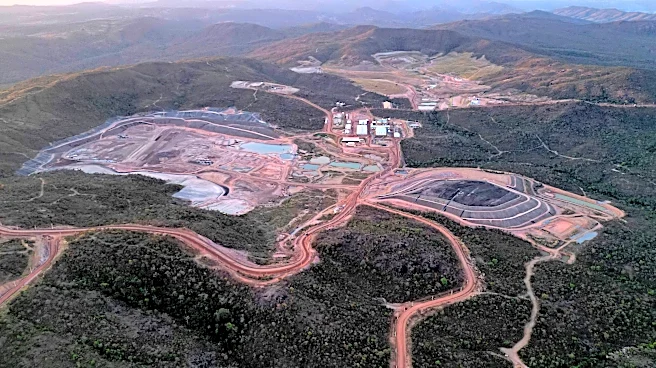
Twin Metals, a mining company, is actively exploring the development of a copper-nickel mine in northern Minnesota, holding what is described as one of the largest undeveloped copper-nickel reserves globally. The company has invested $650 million to date
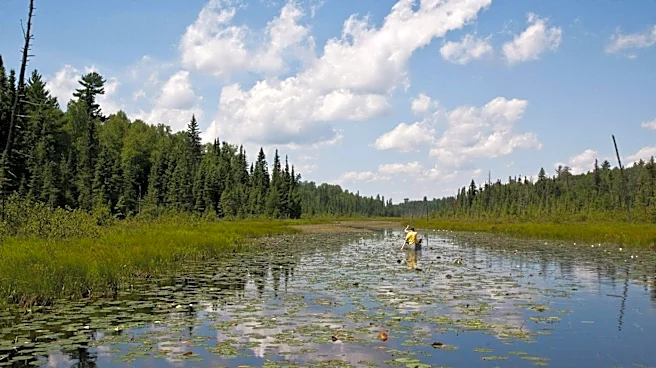
in the environmental review process. Twin Metals Chief Geologist Kevin Boerst has been studying the deposit for two decades, emphasizing its unique quality. The project, however, faces significant opposition due to potential environmental risks to the Boundary Waters Canoe Area Wilderness. Governor Tim Walz has implemented a mining ban in the area, which Twin Metals argues "unnecessarily hinders the responsible development of Minnesota's natural resources." The company remains committed to the project, despite the uncertain timeline for regulatory approval.
Why It's Important?
This project highlights a critical tension between economic development, job creation, and environmental preservation in the U.S. The U.S. heavily relies on other countries for copper and nickel, essential components for electrification, from electric vehicles to electronic devices. Developing domestic sources like the Twin Metals mine could reduce this reliance, bolstering national supply chain security and supporting the transition to green technologies. Twin Metals estimates the mine would create hundreds of union jobs and an additional 1,400 trickle-down jobs, providing significant economic benefits and family-sustaining wages to the region. However, opponents, including local fishing guides and environmental advocates, argue that the potential environmental damage to the pristine Boundary Waters watershed is too great, posing risks to public health, water quality, and the region's tourism-dependent economy. This conflict reflects a broader national debate on how to balance resource extraction with ecological protection.
What's Next?
The future of the Twin Metals mine project remains uncertain due to Governor Walz's mining ban. Twin Metals aims to re-enter the regulatory process, but the timeline for this is unclear. The company continues to advocate for its project, asserting that responsible development is possible and beneficial for local communities. Opponents are expected to continue their efforts to prevent the mine's development, emphasizing the environmental risks. This ongoing dispute will likely involve further legal challenges, public advocacy, and environmental impact assessments. The outcome could set a precedent for similar mining projects in environmentally sensitive areas across the U.S., influencing future policy decisions regarding critical mineral extraction and environmental protection.
Beyond the Headlines
The Twin Metals project delves into the complex ethical and societal implications of resource extraction in a modern economy. While the demand for critical minerals like copper and nickel is surging due to technological advancements and the push for electrification, the question of 'where' these minerals should be sourced becomes paramount. The debate in Minnesota reflects a national dilemma: how to reconcile the need for domestic mineral supplies with the imperative to protect invaluable natural landscapes and ecosystems. This situation also touches upon the concept of environmental justice, as local communities often bear the brunt of environmental impacts from industrial projects. The long-term shift towards a green economy necessitates a re-evaluation of mining practices, emphasizing sustainable methods and robust environmental safeguards, to ensure that the pursuit of technological progress does not come at an irreversible cost to natural heritage.