








What's Happening?
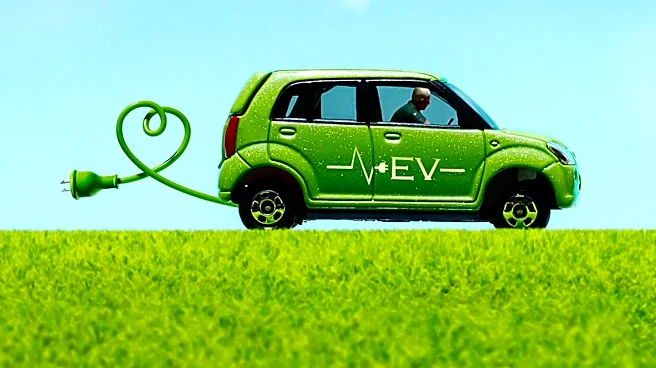
Delhi has launched a new set of electric vehicle (EV) policies aimed at reducing air pollution in the city. The policies, effective from July 1, 2026, include mandates for electric three-wheelers and commercial goods vehicles, with a complete transition
to electric scooters and motorcycles by 2028. The city is also offering financial incentives for EV purchases and scrapping old internal combustion engine vehicles. These measures are part of Delhi's broader strategy to address its severe air pollution crisis, which has been exacerbated by emissions from traditional vehicles.
Why It's Important?
Delhi's new policies represent a significant step towards reducing air pollution, which poses serious health risks to its residents. By mandating the adoption of electric vehicles, the city aims to decrease emissions and improve air quality. This initiative could serve as a model for other cities facing similar challenges, demonstrating the potential of policy-driven transitions to cleaner transportation. The economic implications are also notable, as the shift to electric vehicles could stimulate growth in the EV market and related industries, creating new jobs and opportunities.
What's Next?
The success of Delhi's policies will depend on effective implementation and public acceptance. The city will need to invest in EV infrastructure, such as charging stations, to support the transition. Monitoring and enforcement of the new mandates will be crucial to ensure compliance. Additionally, the government may need to address potential resistance from stakeholders in the traditional automotive industry. The outcomes of these policies could influence future environmental and transportation strategies in India and beyond.
Beyond the Headlines
The move towards electric vehicles in Delhi highlights the broader global shift towards sustainable transportation solutions. As cities worldwide grapple with the impacts of climate change and pollution, Delhi's approach underscores the importance of government intervention in driving environmental change. The policies also raise questions about the balance between economic growth and environmental sustainability, as well as the role of technology in shaping the future of urban mobility.