






What's Happening?
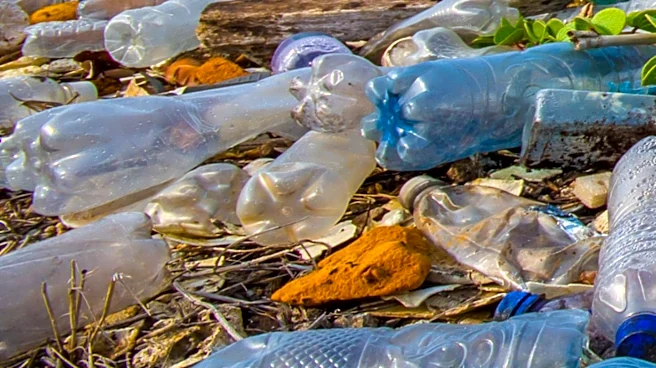
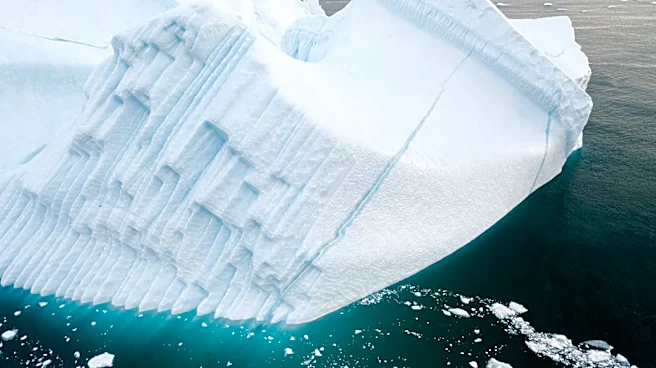
A United Nations report has highlighted a 'deepening crisis' in ocean health, driven by climate change, pollution, overfishing, and biodiversity loss. The report, compiled by 600 scientists from 86 nations, warns of rising sea levels, acidifying seas,
and declining fish stocks, which are crucial for human survival. The assessment estimates that up to 45% of global economic activity occurs on the world's coasts, with 3 billion people living within 100 kilometers of the ocean. The report emphasizes the urgent need for coordinated global action to prevent further decline in ocean health.
Why It's Important?
The findings of the UN report are critical as they underscore the interconnectedness of ocean health and global economic stability. The decline in marine ecosystems threatens food security, livelihoods, and the well-being of billions of people. The report's emphasis on the economic impact of ocean degradation highlights the need for immediate action to protect marine environments. Failure to address these issues could lead to significant economic and social consequences, particularly for coastal communities and industries reliant on marine resources.
What's Next?
In response to the report, there may be increased efforts to implement policies aimed at reducing pollution, protecting marine biodiversity, and mitigating the effects of climate change on oceans. Governments and international organizations may prioritize the creation of marine protected areas and the enforcement of sustainable fishing practices. Additionally, there could be a push for greater investment in research and technology to better understand and address the challenges facing ocean ecosystems.
Beyond the Headlines
The report's findings also highlight the need for a broader cultural shift towards valuing and protecting natural resources. As awareness of the importance of ocean health grows, there may be increased advocacy for sustainable practices and policies that prioritize environmental conservation. This could lead to long-term changes in how societies interact with and depend on marine environments, fostering a more sustainable relationship with the planet's oceans.