



What's Happening?
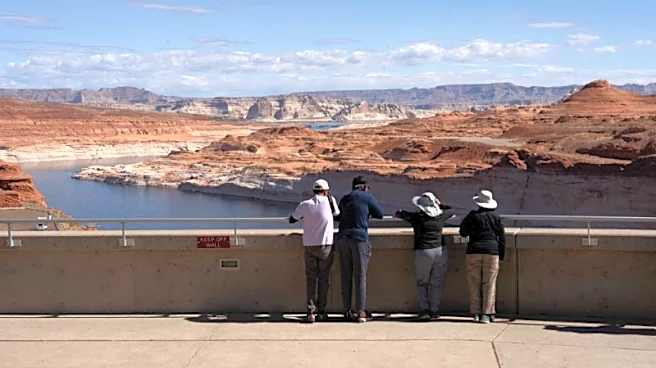
The federal government has announced a plan to reduce water allocations from the Colorado River by 40% for California, Arizona, and Nevada. This decision comes after years of negotiations among the seven states that rely on the river failed to produce
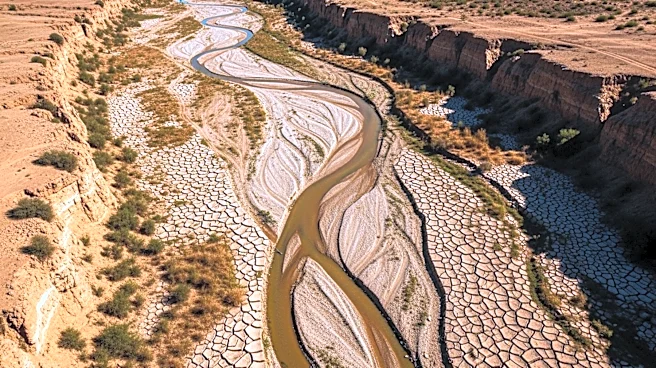
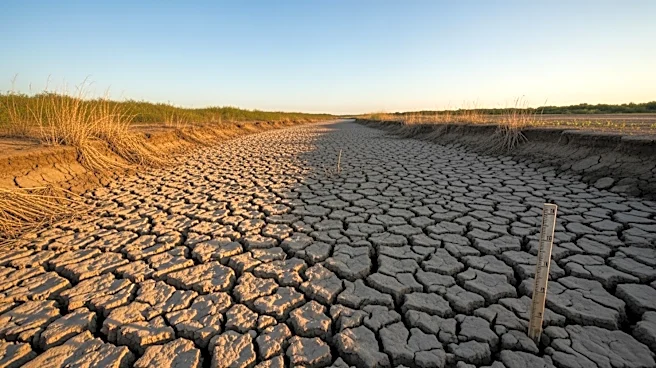
an agreement. The plan aims to address the declining water levels in the river, which have been exacerbated by overuse and drought conditions. The reductions will significantly impact agriculture and urban water supplies in these states, which are major consumers of the river's water.
Why It's Important?
The Colorado River is a vital water source for approximately 40 million people in the American West. The proposed cuts will have far-reaching implications for agriculture, which relies heavily on the river for irrigation. This could lead to increased costs for food production and potential shortages. Urban areas may also face water restrictions, affecting daily life and economic activities. The plan highlights the urgent need for sustainable water management practices in the face of climate change and growing demand.
What's Next?
The Interior Department is expected to release its final plan in late June, with implementation potentially beginning soon after. The plan will be reassessed every two years, allowing for adjustments based on changing conditions. Stakeholders, including state governments and water agencies, will need to collaborate on implementing the cuts and exploring alternative water sources. The situation may also prompt further legal and political negotiations as states seek to protect their water rights.