



What's Happening?
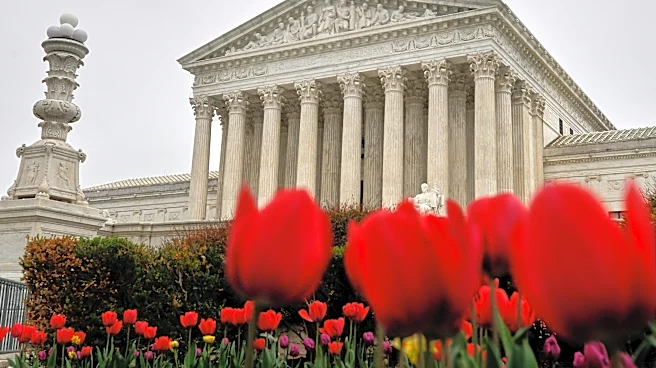
The Supreme Court is experiencing internal tensions as justices debate the implications of recent decisions related to the Voting Rights Act. Justice Ketanji Brown Jackson has been vocal in her dissent, criticizing the court's conservative majority for
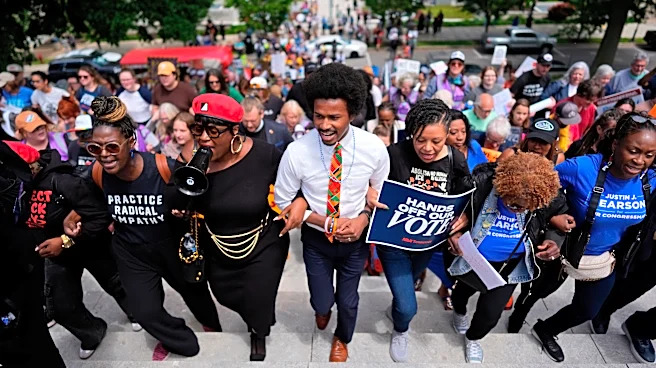
decisions that she argues undermine the Act's protections. Justice Samuel Alito, along with Justices Clarence Thomas and Neil Gorsuch, has countered Jackson's criticisms, defending the court's actions as necessary and justified. The debate centers around the court's decision to allow Louisiana to redraw its congressional maps, a move that critics argue could diminish minority representation. This decision is part of a broader trend where the court's conservative majority has been accused of eroding voting rights protections.
Why It's Important?
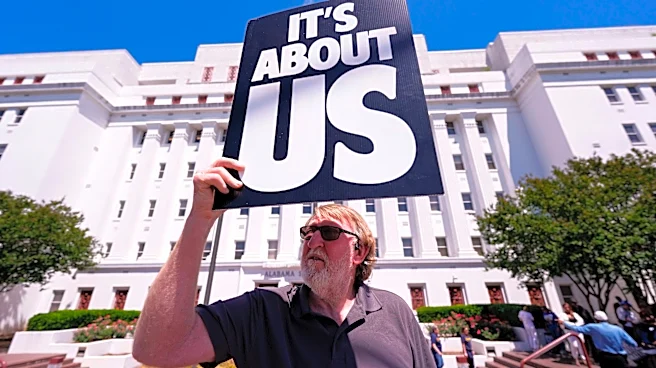
The Supreme Court's decisions on voting rights have significant implications for U.S. elections and minority representation. By allowing states like Louisiana to redraw congressional maps, the court's rulings could potentially reduce the political power of minority groups, affecting the balance of power in Congress. These decisions come at a time when voting rights are a contentious issue in American politics, with many arguing that such rulings could lead to increased gerrymandering and disenfranchisement. The internal tensions within the court also highlight the ideological divides that influence its decisions, which can have lasting impacts on public policy and civil rights.
What's Next?
The Supreme Court is expected to continue facing challenges related to voting rights and election laws. As the court prepares to rule on other significant cases, including those that could affect campaign finance and mail-in voting, the outcomes will likely influence the political landscape ahead of upcoming elections. Stakeholders, including civil rights organizations and political parties, are closely monitoring these developments, as they could prompt further legal challenges and legislative responses aimed at protecting voting rights.