




What's Happening?
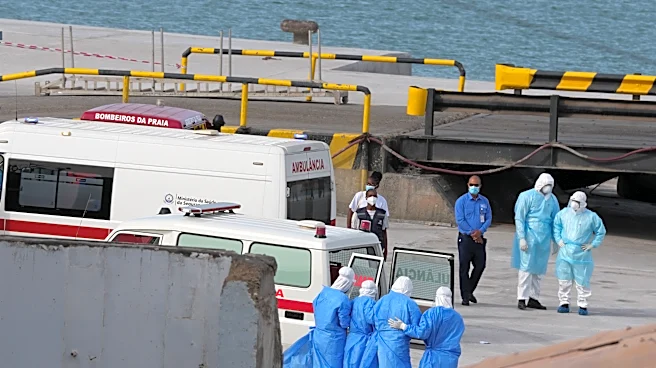
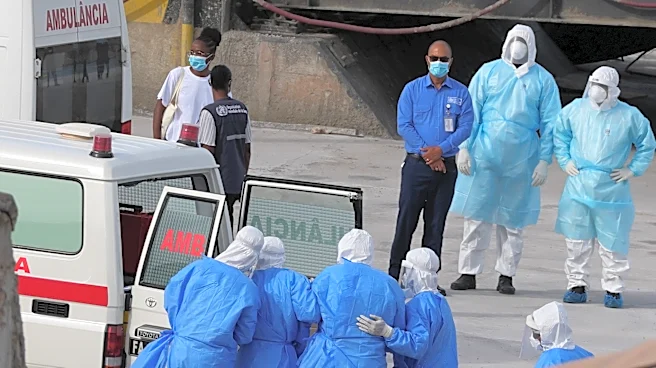
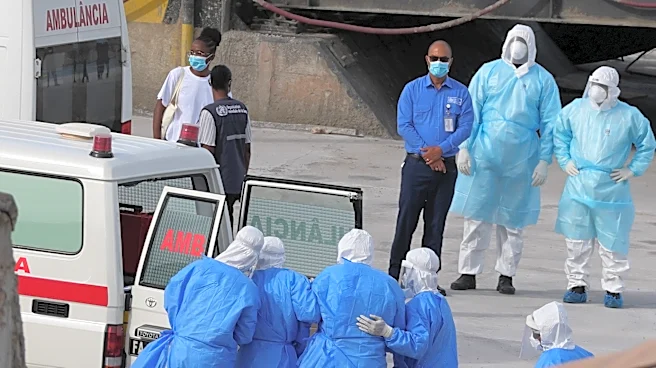
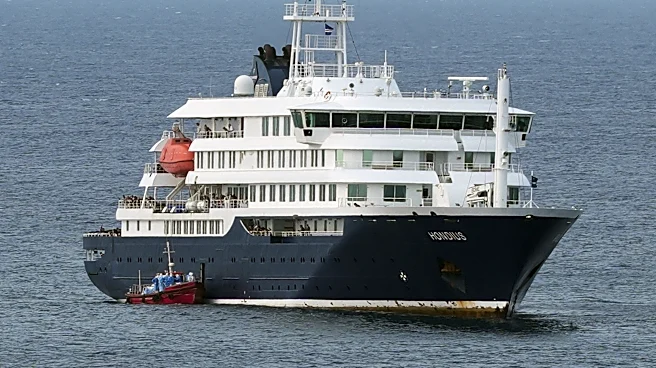
A suspected hantavirus outbreak on the MV Hondius cruise ship has resulted in three deaths and several severe illnesses among passengers, including some from California. The ship, which traveled from Antarctica with stops in Argentina, is linked to the Andes
virus, a form of hantavirus that can spread from person to person. The U.S. Centers for Disease Control and Prevention (CDC) is monitoring the situation, and California public health officials are assessing the risk to state residents who were aboard. Hantavirus is a rare but deadly disease that affects the lungs and is typically contracted through inhalation of particles from infected rodents. The CDC has stated that the risk to the American public is extremely low at this time.
Why It's Important?
The involvement of Californians in the hantavirus outbreak raises concerns about the potential spread of the virus within the U.S. Although hantavirus is rare, it has a high mortality rate, with 38% of those developing respiratory symptoms potentially dying from the disease. The outbreak highlights the need for vigilance in monitoring and controlling infectious diseases, especially those with the potential for human-to-human transmission. Public health agencies must ensure that affected individuals receive appropriate care and that preventive measures are in place to protect the broader population.
What's Next?
The CDC and local health authorities will continue to monitor the health of Californians who were on the cruise ship. Efforts will focus on ensuring that any potential cases are identified and managed promptly. Public health officials may issue further guidance to prevent the spread of hantavirus and educate the public on recognizing symptoms and seeking medical care. The situation underscores the importance of international cooperation in managing infectious disease outbreaks and protecting public health.