





What's Happening?
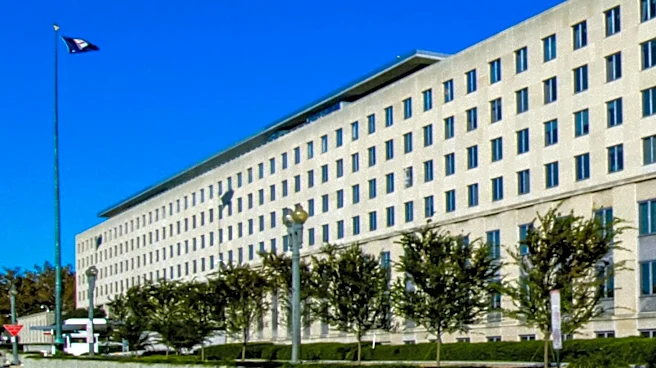
The U.S. Department of State is actively recruiting a Foreign Affairs Officer for its Bureau of Emerging Threats (ET), specifically within the Office of Threat Assessment (ET/TA). This role is critical for identifying, assessing, and initiating mitigation
strategies for novel and convergent threats to U.S. national security. The selected officer will specialize in areas such as Super Intelligence (SI), quantum information science, biotechnology, neurotechnology, and autonomous systems. Responsibilities include leading the development of structured methodologies for threat assessment, fostering partnerships with interagency bodies, industry, academia, and foreign partners, and translating assessed threats into concrete mitigation strategies and policy interventions. The position requires U.S. citizenship, a Top Secret security clearance, and specialized experience in analyzing emerging technology issues for their national security or foreign policy implications. Applicants must demonstrate experience in representing an office in interagency forums and developing policy recommendations for senior officials.
Why It's Important?
This recruitment highlights the U.S. government's proactive approach to safeguarding national security against rapidly evolving technological threats. The focus on emerging technologies like Super Intelligence and quantum information science underscores the recognition that future geopolitical landscapes will be heavily influenced by advancements in these fields. By establishing a dedicated role within the Department of State, the U.S. aims to maintain a strategic advantage and prevent adversaries from exploiting technological gaps. The officer's work in developing mitigation strategies and coordinating diplomatic responses will directly impact U.S. foreign policy and its ability to collaborate with allies on shared security concerns. This initiative is crucial for protecting critical infrastructure, intellectual property, and national interests from sophisticated, non-traditional threats that transcend conventional military or intelligence domains.
What's Next?
The application process involves a competency-based assessment, followed by a resume review for top-qualified candidates. Successful applicants will undergo further consideration and potential interviews. The Department of State will continue to evaluate candidates based on their knowledge of emerging technologies, U.S. foreign policy, negotiation skills, and ability to translate analysis into actionable policy. Once selected, the Foreign Affairs Officer will immediately begin work within the ET/TA office, engaging with various stakeholders to fulfill the bureau's mission. The ongoing efforts of this bureau will likely lead to new policy frameworks, international collaborations, and diplomatic initiatives aimed at addressing the complex challenges posed by advanced technologies. The department's continuous recruitment for such specialized roles indicates a long-term commitment to staying ahead of emerging threats.
Beyond the Headlines
The creation and staffing of this position reflect a broader strategic shift within U.S. national security policy, moving beyond traditional state-on-state conflicts to encompass technological warfare and strategic competition. The emphasis on 'convergent threats' suggests an understanding that these technologies do not operate in isolation but can combine to create novel and more potent risks. This role also touches upon ethical considerations surrounding the development and deployment of advanced AI and biotechnologies, which could have profound societal implications. The need for diplomatic engagement and international cooperation in this domain highlights the global nature of these threats and the necessity of establishing norms and safeguards. This initiative could set precedents for how nations collaborate on regulating and responding to the dual-use nature of cutting-edge scientific advancements, shaping future international security architectures.