






What's Happening?
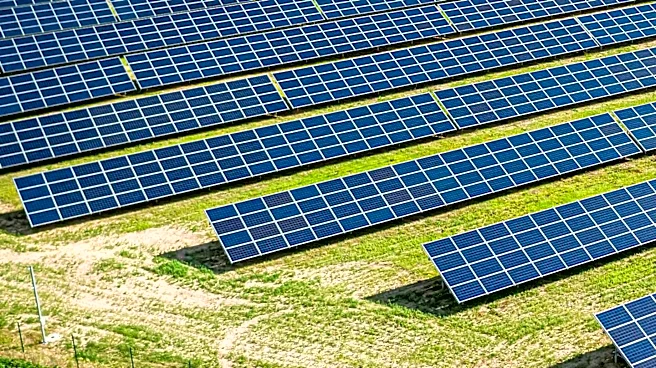
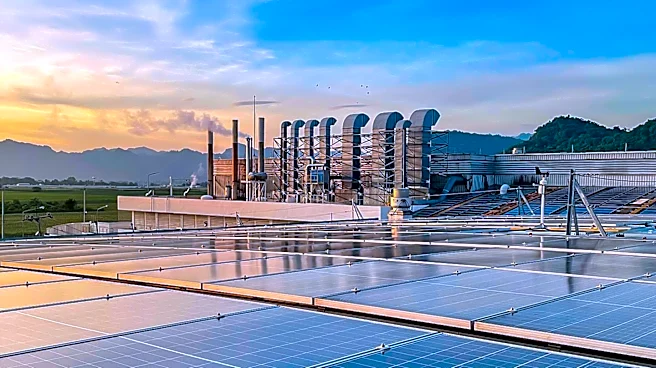
The city of Vienna is implementing an innovative solar energy project at its main sewage treatment plant in Simmering. The plan involves installing a 63-ton retractable solar roof, comprising 504 solar modules, directly over an open primary clarifier
tank. This unique design, developed by Swiss company dhp Technology, allows the 115 by 164-foot roof to retract or extend in 30 seconds. This rapid deployment and retraction capability is crucial because maintenance crews need unobstructed access to the tank's surface to monitor and clear blockages. The system will generate approximately 260 megawatt-hours of electricity annually, equivalent to the yearly consumption of about 25 average American homes. The project is a pilot, with construction expected to conclude by June 2027. The plant currently produces a surplus of electricity and heat from sewage sludge, but anticipates increased power demand in the future, making this solar addition a strategic move to maintain energy independence.
Why It's Important?
This project highlights a growing trend in urban infrastructure to integrate renewable energy solutions into existing facilities, particularly those with high energy demands like wastewater treatment plants. While the direct impact on the U.S. energy market is indirect, the technology demonstrates a viable method for cities globally, including those in the U.S., to utilize previously unsuitable spaces for solar power generation. The retractable design addresses a significant challenge in industrial settings where operational access is paramount, offering a blueprint for similar applications in American water treatment facilities or other industrial sites requiring flexible overhead access. This could lead to increased adoption of such specialized solar installations, contributing to distributed energy generation and reducing reliance on traditional power grids, thereby enhancing energy resilience and sustainability in urban environments.
What's Next?
Following the completion of construction by June 2027, the pilot project will be closely monitored to assess its performance, efficiency, and operational reliability. If successful, Vienna plans to expand the use of these folding solar roofs across approximately 11 acres of suitable basin surface at the plant. This expansion would significantly increase the plant's renewable energy generation capacity. The success of this pilot could also encourage other municipalities and industrial operators, including those in the U.S., to explore similar retractable solar solutions for their facilities. Technology providers like dhp Technology may see increased interest and demand for their specialized solar folding roofs, potentially leading to broader market adoption and further innovation in adaptable solar energy systems.
Beyond the Headlines
The Vienna project represents a significant step in overcoming spatial and operational constraints for renewable energy deployment. It challenges the conventional approach to solar panel installation by demonstrating that even complex industrial environments with specific access requirements can be leveraged for energy production. This innovation could inspire broader applications in urban planning and industrial design, where space is at a premium and flexibility is essential. Ethically, it underscores a commitment to sustainable urban development and resource management, transforming a utility facility into a contributor to clean energy. Legally and culturally, successful implementation could influence building codes and environmental regulations, promoting more integrated and multi-functional infrastructure designs that prioritize both operational efficiency and ecological responsibility.