





What's Happening?
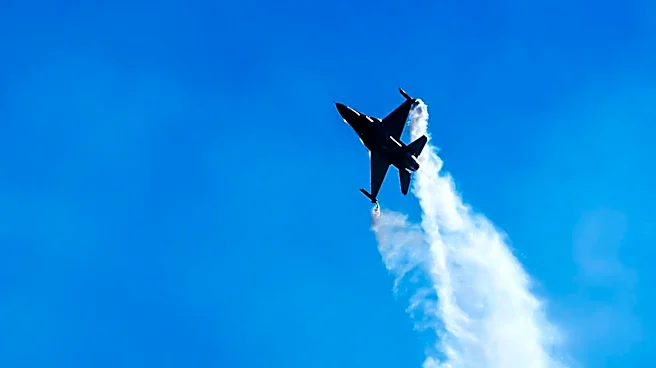
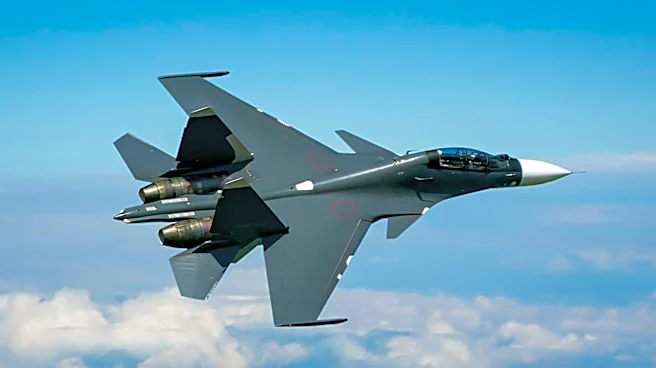
Polish F-16 fighter jets intercepted a Russian Il-20 reconnaissance aircraft over the Baltic Sea, north of the Polish coastal city of Kołobrzeg. The interception occurred as the Russian aircraft, which was flying without a filed flight plan and with its
transponder switched off, remained in international airspace and did not enter Polish territory. This incident is part of a series of encounters involving Russian military aircraft over the Baltic Sea, which have increased since Russia's full-scale invasion of Ukraine in 2022. Polish Defense Minister Władysław Kosiniak-Kamysz emphasized the importance of monitoring and responding decisively to Russian actions, in cooperation with NATO allies. The interception follows a recent incident where a Russian Kh-101 cruise missile entered Polish airspace and crashed in eastern Poland, raising concerns about potential spillover effects of the Ukraine conflict into NATO territories.
Why It's Important?
The interception of the Russian Il-20 plane by Polish F-16s underscores the heightened military tensions in the Baltic region, a strategic area for both NATO and Russia. Such incidents highlight the ongoing risks of military miscalculations or escalations that could involve NATO member states, potentially triggering broader conflicts. The presence of Russian military aircraft near NATO airspace is a reminder of the fragile security situation in Eastern Europe, particularly as the war in Ukraine continues. For Poland and other NATO countries, maintaining airspace security is crucial to prevent any unintended incursions that could lead to diplomatic or military confrontations. The incident also reflects the broader geopolitical struggle between Russia and Western nations, with Poland playing a key role in regional security dynamics.
What's Next?
Poland and its NATO allies are likely to continue their vigilant monitoring of airspace in the Baltic region, with potential adjustments to their air policing strategies to deter further Russian incursions. Diplomatic channels may be engaged to address these provocations and seek de-escalation. Additionally, NATO could consider reinforcing its presence in Eastern Europe to reassure member states and deter further Russian military activities. The ongoing investigation into the recent missile incident in Poland may also influence future military and diplomatic responses. As tensions persist, the international community will be watching closely for any developments that could impact regional stability.
Beyond the Headlines
The interception of Russian aircraft over the Baltic Sea raises questions about the long-term implications for NATO-Russia relations and the security architecture in Europe. The frequent encounters in the region could lead to a reevaluation of military strategies and defense postures by NATO countries. There are also potential legal and ethical considerations regarding airspace violations and the rules of engagement in international airspace. The situation highlights the need for robust communication channels between military forces to prevent accidental escalations. Furthermore, the incidents may influence public opinion in NATO countries, potentially affecting political decisions related to defense spending and military alliances.