







What's Happening?
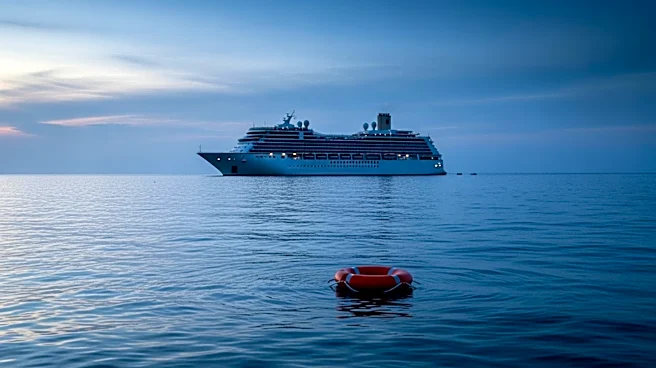
A cruise ship anchored off the coast of Cape Verde is experiencing a hantavirus outbreak, with concerns that the virus may have spread between passengers. Typically transmitted through rodent excretions, hantavirus can cause severe respiratory symptoms
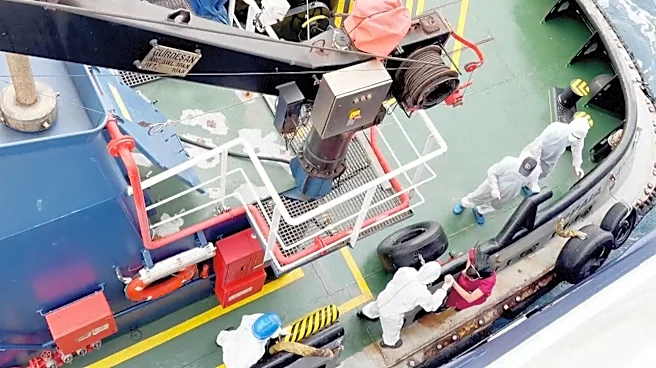
and has a high mortality rate. The World Health Organization (WHO) has noted the possibility of human-to-human transmission, a rare occurrence for hantavirus. The ship, which disembarked from Argentina, has reported three deaths and several other cases among its passengers and crew. Medical teams are on board, and some patients are being evacuated for treatment. The situation is being closely monitored, with the ship expected to head to the Canary Islands for further investigation and disinfection.
Why It's Important?
The potential for human-to-human transmission of hantavirus on a cruise ship presents significant public health challenges. If confirmed, this could alter the approach to managing the outbreak, requiring more stringent isolation and quarantine measures. The outbreak highlights the vulnerability of cruise ships to infectious diseases due to close quarters and shared spaces. The incident could impact the cruise industry, prompting reviews of health protocols and emergency preparedness. Additionally, it underscores the need for rapid response and coordination among international health authorities to prevent further spread.
What's Next?
The cruise ship is expected to continue to the Canary Islands, where Spanish authorities will conduct a full epidemiological investigation. Passengers and crew will be assessed, and the ship will undergo disinfection. The WHO and other health agencies will likely continue to monitor the situation closely, with potential updates on the transmission dynamics of the virus. The outcome of the investigation could influence future health guidelines for cruise ships and similar environments.