






What's Happening?
Prebiotics are non-digestible carbohydrates that feed beneficial gut bacteria, contributing to overall health. These substances, found in foods like garlic, onions, asparagus, and bananas, resist digestion in the upper gastrointestinal tract and are fermented
by gut bacteria in the colon. This fermentation process produces short-chain fatty acids, which are being studied for their potential effects on the digestive system and broader health. While prebiotics are a type of fiber, not all fiber is prebiotic. The International Scientific Association for Probiotics and Prebiotics defines a prebiotic as a substrate selectively used by host microorganisms that provides a health benefit. Research indicates that a diverse gut microbiome, supported by prebiotic intake, is associated with better metabolic markers, including improved insulin sensitivity and lower fasting glucose. However, the effects can be small and vary significantly among individuals due to factors like baseline gut microbiome composition, diet history, and existing metabolic state.
Why It's Important?
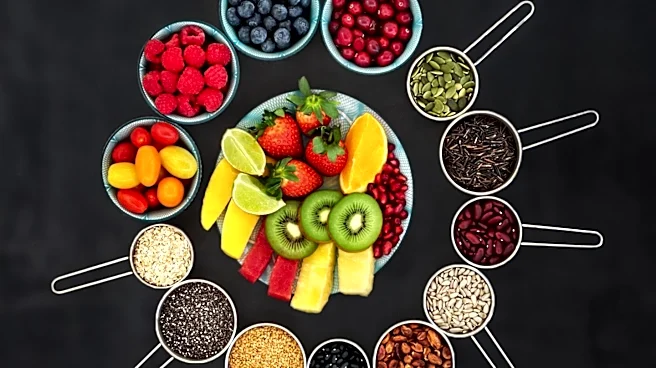
The understanding of prebiotics is crucial for public health and dietary recommendations in the U.S., particularly concerning metabolic health. With rising rates of Type 2 diabetes and prediabetes, the potential for dietary interventions to support blood sugar regulation is significant. While prebiotic fiber is not a standalone solution, its role in modulating gut health could offer a complementary strategy for managing these conditions. Emphasizing whole-food sources of prebiotics, such as lentils, chickpeas, and oats, can provide additional nutrients like protein and other fiber types that slow digestion and reduce glucose spikes. This approach could empower individuals to make informed dietary choices that support their gut health and metabolic well-being, potentially reducing reliance on supplements and promoting a more holistic view of nutrition.
What's Next?
Future research will likely focus on identifying which specific prebiotic fibers are most effective for different individuals and determining optimal dosages, timing, and duration for measurable health benefits. There is a need for longer-term studies with larger and more diverse sample sizes, including real-world data from continuous glucose monitors, to better understand the sustained impact of prebiotic intake. Consumers are encouraged to prioritize whole-food sources of prebiotic fiber over isolated supplements, as whole foods offer a broader spectrum of nutrients. Individuals interested in incorporating more prebiotics into their diet should do so gradually to avoid digestive discomfort, starting with small amounts and increasing intake over time. Tracking dietary changes alongside health metrics, such as glucose levels, can help individuals understand their personal response to prebiotic-rich foods.
Beyond the Headlines
The evolving understanding of prebiotics highlights a broader shift in nutritional science towards recognizing the intricate connection between gut health and overall systemic health. This goes beyond simply categorizing foods as 'healthy' and delves into the specific interactions between dietary components and the human microbiome. The emphasis on individual variability in response to prebiotics underscores the need for personalized nutrition approaches, moving away from one-size-fits-all dietary advice. This also raises ethical considerations regarding the marketing of prebiotic supplements, as the evidence for their efficacy, especially in isolation, is still developing and often inconsistent. Promoting a diverse, whole-food-based diet rich in various plant foods remains the most robust and ethically sound recommendation for supporting gut health and metabolic regulation.