
What's Happening?
Lufthansa Airlines has announced the cancellation of 20,000 short-haul flights through October, primarily affecting its hub airports in Frankfurt and Munich. This decision is a response to the rising oil
prices and concerns over jet fuel shortages, exacerbated by the ongoing conflict involving Iran. The airline aims to save approximately 40,000 metric tons of jet fuel by cutting less profitable routes. The price of jet fuel has more than doubled since late February, following U.S. and Israeli strikes on Iran, impacting airlines globally. Lufthansa has secured enough jet fuel for the coming weeks and is implementing measures to maintain its fuel supply for the summer. Other major airlines, including Delta, United, and American Airlines, have also canceled flights due to similar challenges.
Why It's Important?
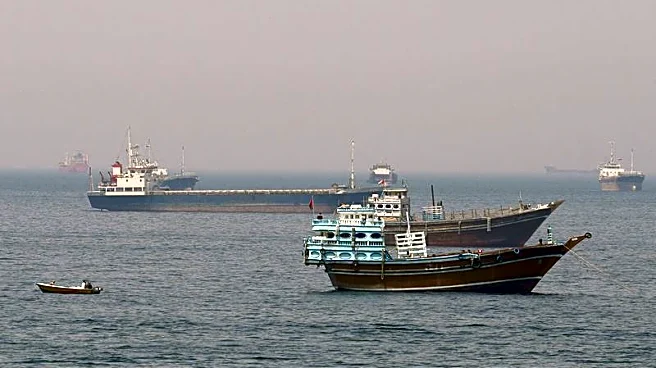
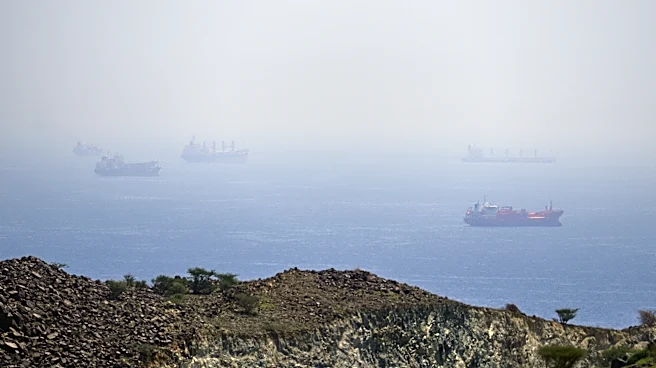
The reduction in flights by Lufthansa and other major airlines highlights the vulnerability of the aviation industry to geopolitical conflicts and fuel price volatility. Jet fuel is a significant operating expense for airlines, and the current situation is leading to fewer flight options and increased fees for travelers. The disruption in the Strait of Hormuz, a critical oil passageway, is affecting global fuel supplies, with Europe facing potential shortages. This situation underscores the need for airlines to adapt to changing fuel dynamics and explore alternative strategies to mitigate risks associated with geopolitical tensions.
What's Next?
Lufthansa and other airlines are likely to continue adjusting their operations in response to fuel price fluctuations and supply challenges. The aviation industry may see further consolidation and cost-cutting measures as airlines strive to maintain profitability. Travelers can expect higher fares and additional fees as airlines pass on increased costs. The situation may also prompt discussions on diversifying fuel sources and enhancing energy security to reduce dependency on volatile regions.