




What's Happening?
Vermont's primary elections are witnessing a significant increase in candidate numbers, with 134 Republicans and 190 Democrats filing for the primary, marking a 19.6% increase in Republican candidates and a 9.2% increase in Democratic candidates compared
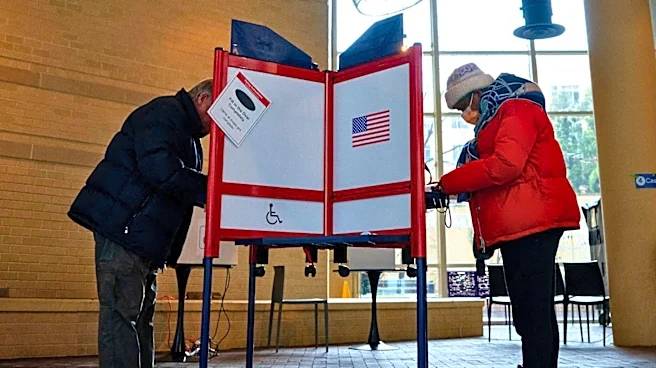
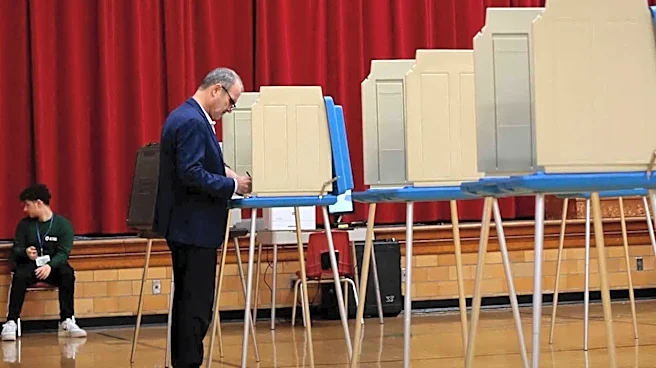
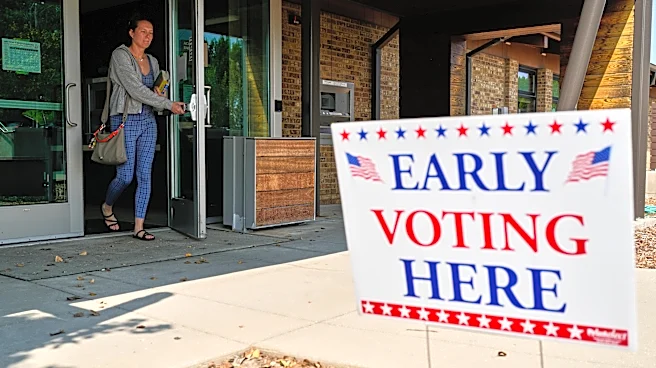
to 2024. This surge reflects the high stakes in Vermont politics, as the state grapples with issues such as education reform, property tax burdens, and land-use laws. The Democratic side is particularly active, with contested races in Windsor and Orange counties. State Rep. Monique Priestley and Rose Lucenti are competing for the Democratic nomination for the Orange District Senate seat, while incumbent Democrat John O'Brien faces a challenge in his district. Early voting is underway, with polls closing on August 11.
Why It's Important?
The increase in candidate numbers highlights the heightened political engagement in Vermont, driven by unresolved state issues and national political dynamics. The outcome of these primaries could influence the state's legislative direction, particularly in addressing long-standing challenges like affordability and education reform. The Democratic primaries are crucial, as the party has historically dominated certain districts, making these contests pivotal for determining future policy directions. The results could also reflect broader national trends in voter sentiment and party dynamics.
What's Next?
As the primary elections conclude, attention will shift to the general elections, where the selected candidates will face off. The results will likely prompt strategic adjustments from both parties, especially in addressing voter concerns highlighted during the primaries. The Democratic Party, in particular, may focus on maintaining its stronghold in key districts, while Republicans aim to capitalize on their recent gains. The legislative session following the elections will be critical in addressing the pressing issues that have driven the increased candidate participation.