

What's Happening?
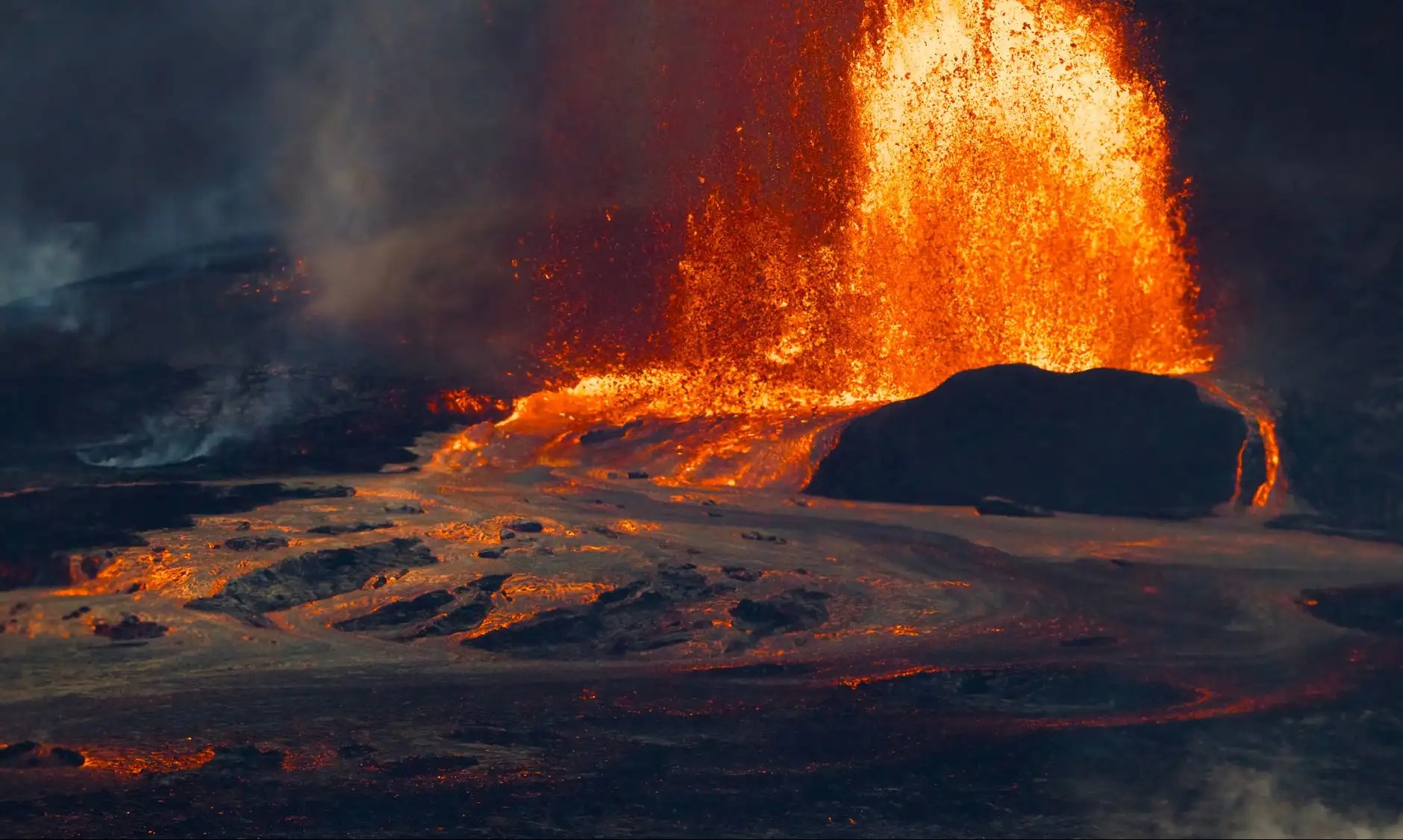
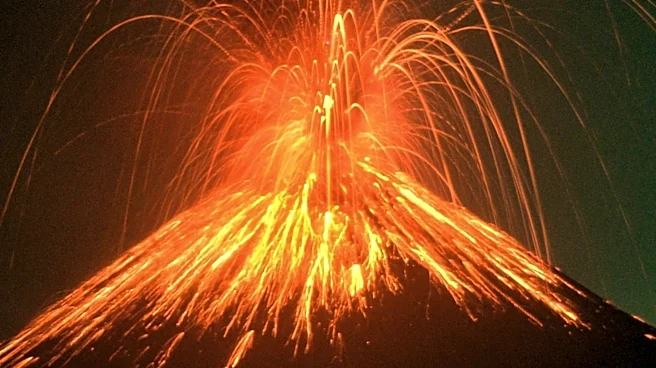
The Kīlauea volcano in Hawaii continues its episodic eruption pattern, with the recent conclusion of Episode 52. This episode began on July 28, 2026, and ended abruptly on July 29, 2026. The eruption featured a maximum lava fountain height of approximately
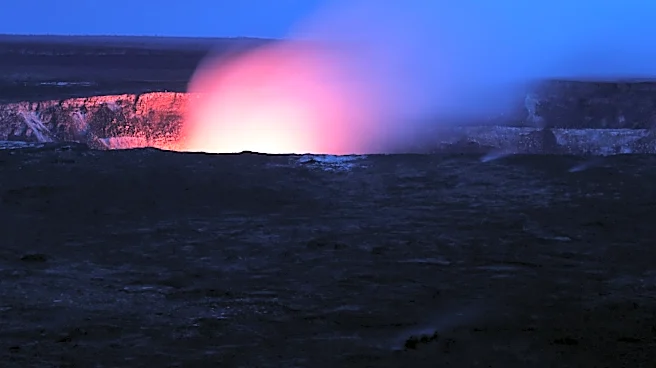
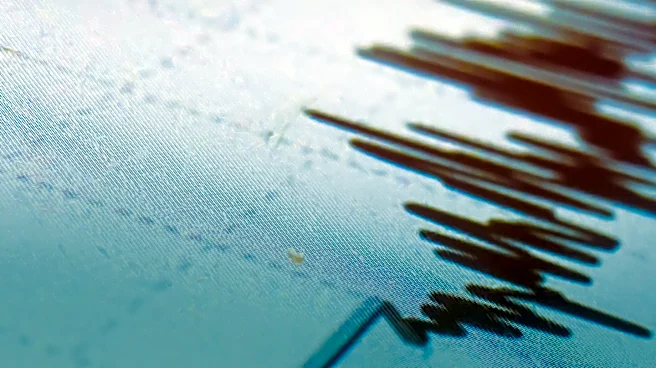
500 feet from the north vent, while the south vent emitted flames but did not fountain. The eruption produced a plume reaching 19,000 feet above sea level, with tephra fall mostly confined to the closed area of Hawai'i Volcanoes National Park. The Hawaiian Volcano Observatory (HVO) is closely monitoring the situation, noting a switch from summit deflation to inflation, indicating the likelihood of Episode 53. The ongoing eruptions, which began in December 2024, are characterized by short fountaining episodes separated by longer pauses.
Why It's Important?
The continued activity of Kīlauea poses significant hazards, including high levels of volcanic gases and tephra, which can affect air quality and pose health risks to nearby communities. The eruptions also impact the local environment and tourism, as parts of the Hawai'i Volcanoes National Park remain closed to the public. The volcanic activity underscores the need for ongoing monitoring and preparedness by local authorities and residents. The HVO's efforts to track and analyze the eruptions are crucial for public safety and scientific understanding of volcanic behavior.
What's Next?
As Episode 53 is anticipated, the HVO will continue to monitor Kīlauea's activity closely. Authorities are likely to maintain or adjust safety measures based on the volcano's behavior. The potential for further eruptions necessitates readiness from local emergency services and communication with the public about possible hazards. The ongoing eruptions may also prompt further research into volcanic activity and its impacts on the environment and human health.
Beyond the Headlines
The episodic nature of Kīlauea's eruptions provides valuable data for volcanologists studying eruption patterns and their triggers. The situation also highlights the challenges of living in proximity to active volcanoes, including the need for robust emergency management plans and public education on volcanic hazards. The cultural significance of Kīlauea to Native Hawaiian traditions adds another layer of complexity to managing the eruptions and their impacts.