


What's Happening?
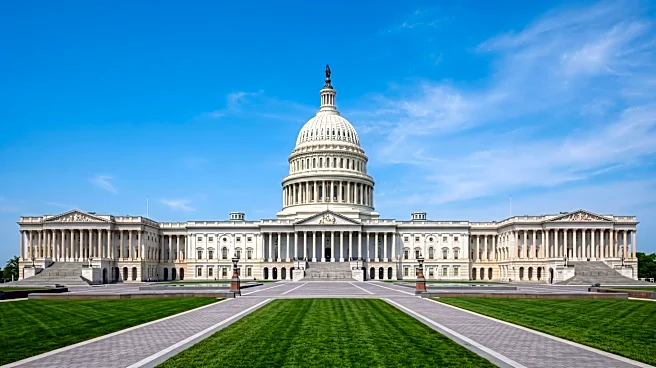
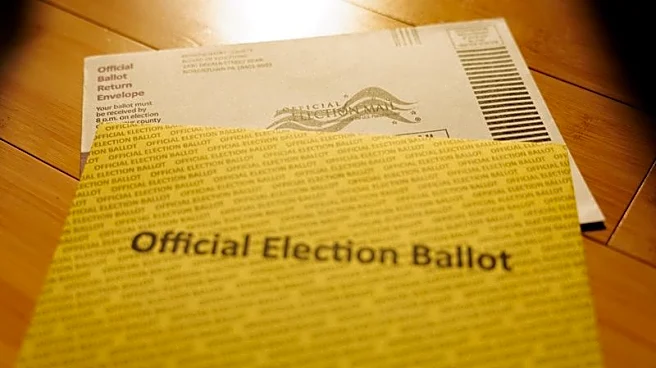
Representative Chrissy Houlahan of Pennsylvania has introduced the Protect Our Polls Act, a legislative measure designed to require congressional approval for the deployment of armed forces at U.S. polling places. The bill stipulates that such deployments
would only be authorized if deemed necessary and if state and local authorities are unable to manage the perceived threat independently. Representative Houlahan emphasized that this legislation is a response to concerns about the potential deployment of federal forces during upcoming November elections, underscoring the critical importance of safeguarding the right to vote. In a separate but related context, Representative Houlahan has also been involved in discussions regarding significant budget cuts to programs such as SNAP, Medicare, and Medicaid, which have reportedly resulted in millions of individuals losing health insurance coverage. These discussions highlight broader debates within Congress concerning federal spending and social welfare programs.
Why It's Important?
The Protect Our Polls Act is significant because it addresses fundamental concerns about federal overreach and the integrity of the electoral process in the United States. The potential deployment of armed forces at polling stations could be perceived as an intimidating factor, potentially suppressing voter turnout and undermining public trust in democratic institutions. By requiring congressional approval, the bill aims to ensure accountability and prevent arbitrary or politically motivated interventions in elections. This legislation could set a precedent for how federal power is exercised in sensitive domestic matters, particularly those related to civil liberties and democratic participation. Furthermore, Representative Houlahan's involvement in discussions about cuts to social safety net programs like SNAP, Medicare, and Medicaid highlights a critical policy debate with far-reaching implications for millions of Americans. These programs provide essential support for health, nutrition, and economic stability, and any reductions could exacerbate existing inequalities and increase the number of uninsured individuals, impacting public health and economic well-being across the nation.
What's Next?
The Protect Our Polls Act will now proceed through the legislative process, where it will likely undergo committee review and potential debate in Congress. Its passage will depend on gaining bipartisan support, especially given the sensitive nature of federal intervention in elections. Lawmakers will need to consider the balance between national security concerns and the protection of voting rights. The bill's future may also be influenced by the political climate leading up to the November elections and any further discussions or actions regarding federal troop deployments. Concurrently, the ongoing debates surrounding budget cuts to SNAP, Medicare, and Medicaid are expected to continue. These discussions will likely involve various stakeholders, including healthcare advocates, economic policy experts, and affected communities, as Congress deliberates on federal spending priorities and the future of social welfare programs. The outcomes of these legislative efforts could significantly shape the landscape of U.S. elections and social policy.
Beyond the Headlines
The introduction of the Protect Our Polls Act touches upon deeper constitutional questions regarding the separation of powers and the role of the federal government in state-level electoral processes. The debate over deploying armed forces at polling places raises ethical considerations about the militarization of civilian spaces and the potential chilling effect on democratic participation. It underscores the delicate balance between maintaining order and protecting civil liberties, particularly the right to vote without intimidation. This legislation could also spark broader conversations about the politicization of federal agencies and the need for clear guidelines to prevent their misuse. On another front, the discussions around cuts to SNAP, Medicare, and Medicaid highlight a persistent societal challenge: balancing fiscal responsibility with social welfare. These programs are not merely economic instruments but are foundational to the social contract, reflecting a nation's commitment to its most vulnerable citizens. Any changes to these programs could trigger long-term shifts in public health outcomes, poverty rates, and the overall social safety net, prompting a reevaluation of national values and priorities.